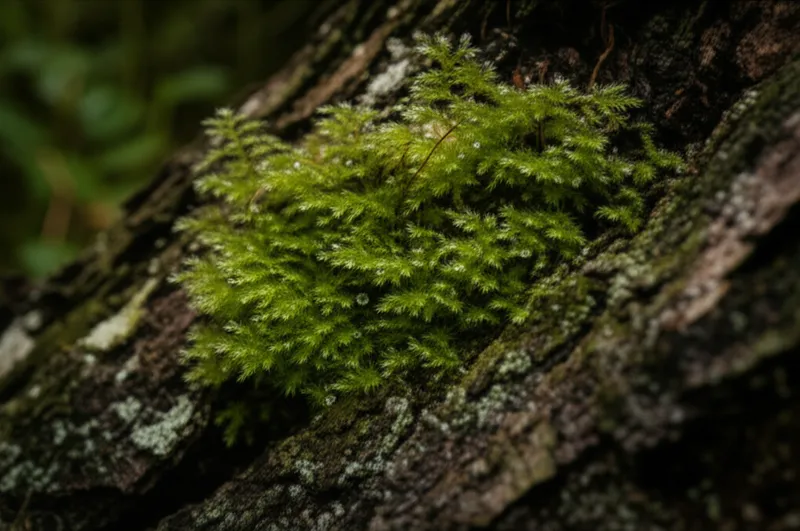
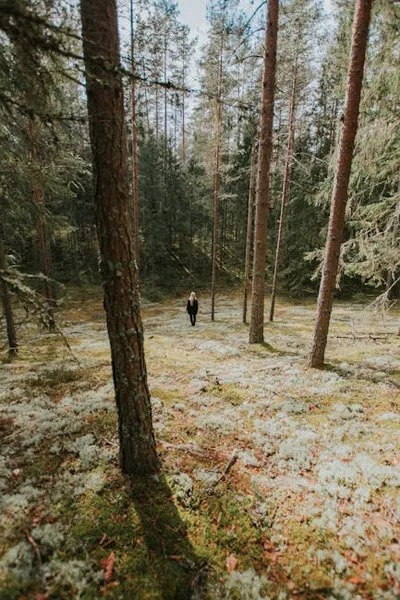
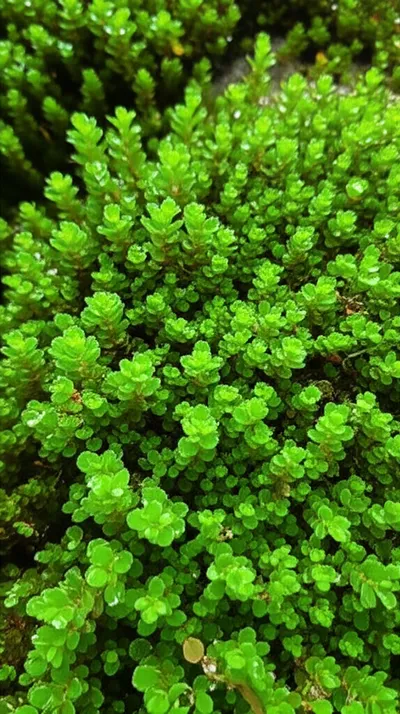
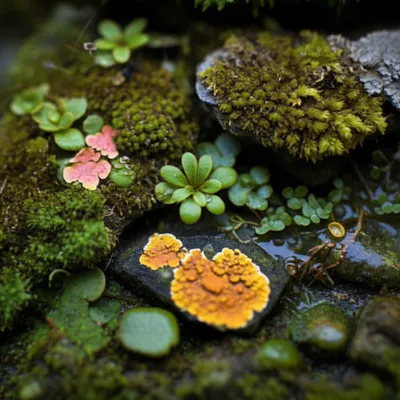
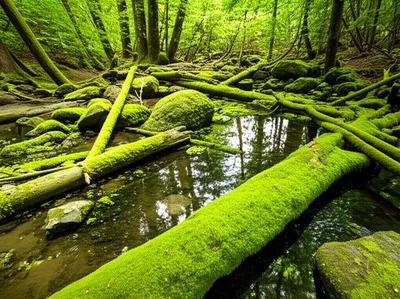
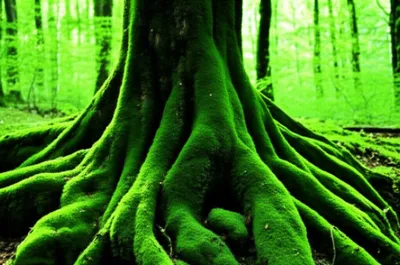
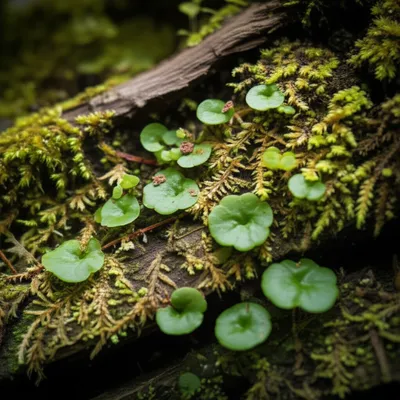
noun 다운로드 🔗공유 이끼 Any of various small, green, seedless plants growing on the ground or on the surfaces of trees, stones, etc.; now specifically, a plant of the phylum Bryophyta (formerly division Musci). Examples : "Mosses covered the damp forest floor like a soft, green carpet. " 이끼가 부드럽고 푸른 카펫처럼 축축한 숲 바닥을 덮었다. plant biology nature environment organism AI와 채팅어휘 게임독해 연습
noun 다운로드 🔗공유 이끼 종류 A kind or species of such plants. Examples : "Example Sentence: "While hiking in the forest, we saw many different mosses growing on the rocks and tree trunks." " 숲에서 하이킹을 하는 동안, 우리는 바위와 나무 줄기에서 자라는 다양한 이끼 종류를 많이 보았습니다. plant nature biology environment AI와 채팅어휘 게임독해 연습
noun 다운로드 🔗공유 이끼 Any alga, lichen, bryophyte, or other plant of seemingly simple structure. Examples : "Irish moss" 아일랜드 이끼 plant biology nature environment organism AI와 채팅어휘 게임독해 연습
noun 다운로드 🔗공유 늪, 갯벌 A bog; a fen. Examples : "the mosses of the Scottish border" 스코틀랜드 국경의 늪. environment geography place nature AI와 채팅어휘 게임독해 연습
verb 다운로드 🔗공유 이끼로 덮이다 To become covered with moss. Examples : "An oak whose boughs were mossed with age." 나이가 들어 이끼로 뒤덮인 참나무. environment nature AI와 채팅어휘 게임독해 연습
verb 다운로드 🔗공유 이끼로 덮다 To cover (something) with moss. Examples : "The gardener carefully mosses the exposed roots of the new bonsai tree to help retain moisture. " 정원사는 수분 유지를 돕기 위해 새 분재 나무의 노출된 뿌리를 조심스럽게 이끼로 덮습니다. environment nature AI와 채팅어휘 게임독해 연습