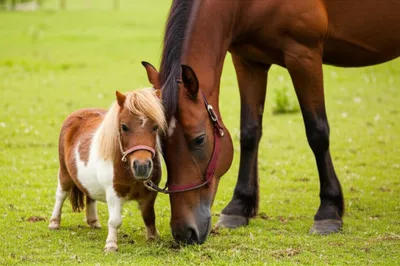
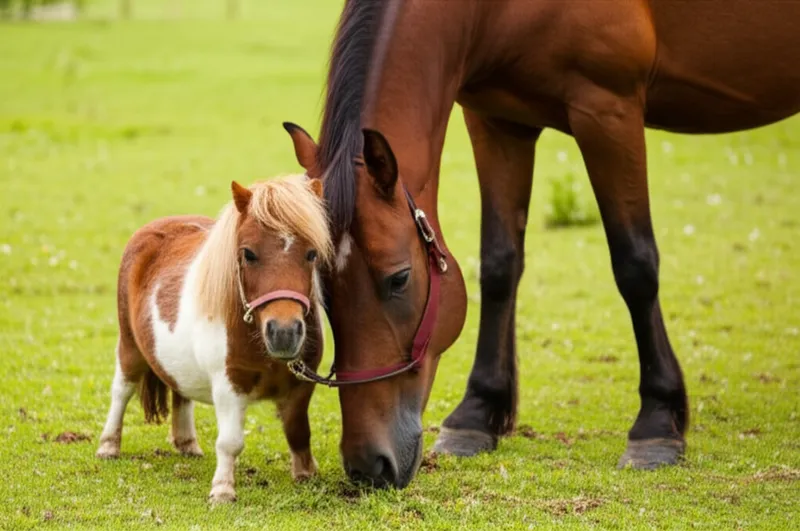
noun 다운로드 🔗공유 조랑말, 망아지 A small horse; a pony. Examples : "The children loved riding the nags at the local petting zoo. " 아이들은 지역 애완 동물 동물원에서 조랑말을 타는 것을 좋아했습니다. animal AI와 채팅어휘 게임독해 연습
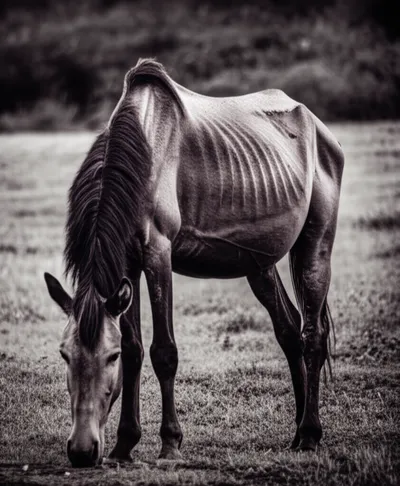
noun 다운로드 🔗공유 늙은 말, 고물 말 An old useless horse. Examples : "The farmer sold off his nags because they were too old to pull the plow. " 농부는 쟁기를 끌기에는 너무 늙은 고물 말들을 팔아버렸다. animal AI와 채팅어휘 게임독해 연습
noun 다운로드 🔗공유 애인, 연인 A paramour. Examples : "In the old Western movie, the cowboy had two nags he relied on: a brown mare for herding cattle and a sturdy gelding for long journeys. " 옛 서부 영화에서 카우보이는 의지하는 두 명의 애인이 있었습니다. 소를 몰기 위한 갈색 암말과 긴 여행을 위한 튼튼한 거세마였습니다. person human sex family AI와 채팅어휘 게임독해 연습
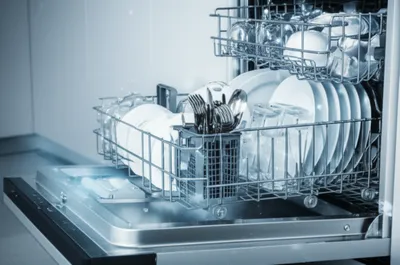
noun 다운로드 🔗공유 잔소리꾼, 바가지 긁는 사람 Someone or something that nags. Examples : "The broken dishwasher and the leaky faucet were constant nags that needed fixing. " 고장난 식기세척기와 물이 새는 수도꼭지는 고쳐야 할 끊임없는 잔소리꾼들이었다. character person attitude AI와 채팅어휘 게임독해 연습
noun 다운로드 🔗공유 잔소리, 불평 A repeated complaint or reminder. Examples : "Her mother's constant nags about cleaning her room were starting to annoy her. " 그녀의 방 청소에 대한 어머니의 끊임없는 잔소리가 그녀를 짜증나게 하기 시작했다. attitude communication character human AI와 채팅어휘 게임독해 연습
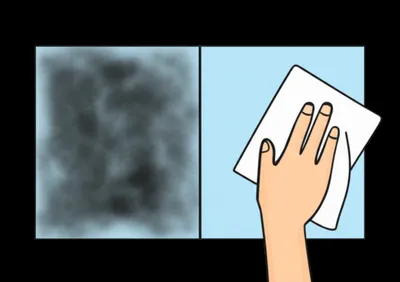
noun 다운로드 🔗공유 걱정, 근심 A persistent, bothersome thought or worry Examples : "The nags about the unpaid bills kept her awake all night. " 미납된 청구서에 대한 걱정 때문에 그녀는 밤새 잠을 이루지 못했다. mind emotion AI와 채팅어휘 게임독해 연습