




verb🔗Share말하다, 표현하다To express (an action, thought or idea) by means of particular words."Example: The teacher asked the student to try phrasing his answer in a different way so it would be clearer. "선생님은 학생에게 더 명확하게 답변을 표현하도록 요청했다.languagewordwritingcommunicationphraseChat with AIVocabulary GamePractice Reading
verb🔗Share구절을 넣다, 표현하다To perform a passage with the correct phrasing."The student carefully phrased her answer to the question, ensuring each word was clear and precise. "학생은 질문에 대한 답변을 신중하게 구절로 표현하여 각 단어가 명확하고 정확하도록 했습니다.musiclanguageChat with AIVocabulary GamePractice Reading
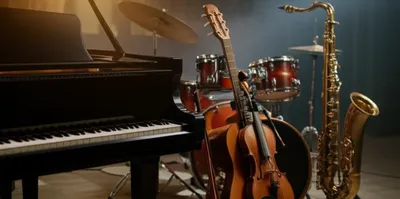
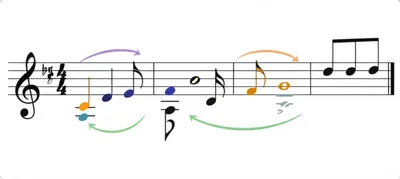
verb🔗Share선율적 구절로 나누다To divide into melodic phrases."The musician was carefully phrasing the melody, adding small pauses and changes in volume to make it more expressive. "그 음악가는 멜로디를 신중하게 선율적 구절로 나누어, 더 표현력 있게 만들기 위해 작은 멈춤과 볼륨 변화를 추가했다.musiclanguageChat with AIVocabulary GamePractice Reading
noun🔗Share어구, 표현The way a statement is put together, particularly in matters of style and word choice."The teacher praised the student's phrasing in their essay, noting the skillful use of vivid adjectives. "선생님은 학생의 에세이에서 어구를 칭찬하며 생생한 형용사의 숙련된 사용을 언급했다.languagestylewritingstatementphrasecommunicationChat with AIVocabulary GamePractice Reading
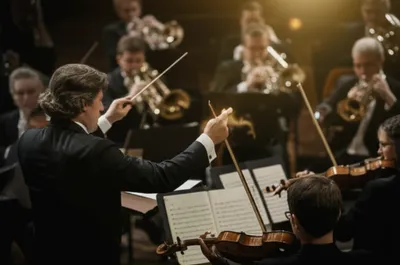
noun🔗Share구절 나누기, 악구The way the musical phrases are put together in a composition or in its interpretation, with changes in tempo, volume, or emphasizing one or more instruments over others."The musician's excellent phrasing made the melody sound natural and expressive, even though the notes were complex. "음악가의 훌륭한 악구는 음표가 복잡했음에도 불구하고 멜로디를 자연스럽고 표현력 있게 만들었다.musicstylesoundphraseChat with AIVocabulary GamePractice Reading