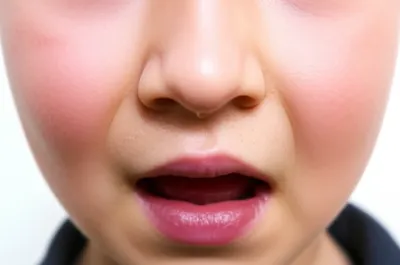
noun 다운로드 🔗공유 콧물, 훌쩍임 The act of snivelling. Examples : "After the teacher scolded him, his snivel was quiet but constant. " 선생님이 그를 꾸짖은 후, 그의 훌쩍임은 조용했지만 끊이지 않았다. emotion human suffering AI와 채팅어휘 게임독해 연습
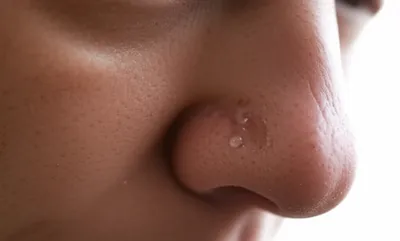
noun 다운로드 🔗공유 콧물 Nasal mucus; snot. Examples : "The child wiped the snivel from his nose with the back of his hand. " 아이는 손등으로 코에서 콧물을 닦았다. physiology body AI와 채팅어휘 게임독해 연습
verb 다운로드 🔗공유 코를 훌쩍이다, 콧물을 흘리다 To breathe heavily through the nose while it is congested with nasal mucus. Examples : "The little boy started to snivel after he tripped and scraped his knee. " 어린 소년은 발을 헛디뎌 무릎을 긁힌 후 코를 훌쩍이기 시작했다. physiology disease body AI와 채팅어휘 게임독해 연습
verb 다운로드 🔗공유 코를 훌쩍이며 울다, 훌쩍이다 To cry while sniffling; to whine or complain while crying. Examples : "The little boy began to snivel when his mother said he couldn't have any candy before dinner. " 어린 소년은 엄마가 저녁 식사 전에 사탕을 먹을 수 없다고 말하자 훌쩍이기 시작했다. emotion human action AI와 채팅어휘 게임독해 연습
verb 다운로드 🔗공유 코를 훌쩍이며 말하다, 훌쩍이다 To say (something) while sniffling or crying. Examples : ""The little boy began to snivel, 'I want my mommy,' as he searched for her in the crowded park." " 어린 소년은 훌쩍이며 '엄마 보고 싶어'라고 말하며 붐비는 공원에서 엄마를 찾기 시작했다. emotion human sensation language communication AI와 채팅어휘 게임독해 연습