noun 다운로드 🔗공유 짧은 시간, 짧은 거리 A short time or short distance. Examples : "The wee bit of time before lunch was enough to finish my homework. " 점심 전 짧은 시간은 숙제를 끝내기에 충분했다. time amount place AI와 채팅어휘 게임독해 연습
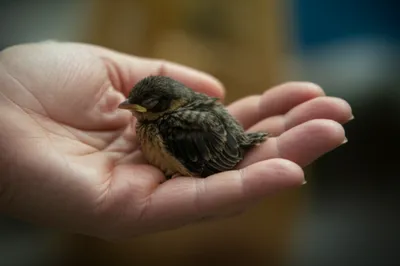
adjective 다운로드 🔗공유 작은, 조그마한 Small, little. Examples : "You looked a little cold, so I lit a wee fire." 당신은 조금 추워 보여서, 나는 작은 불을 지폈어요. amount quality AI와 채팅어휘 게임독해 연습
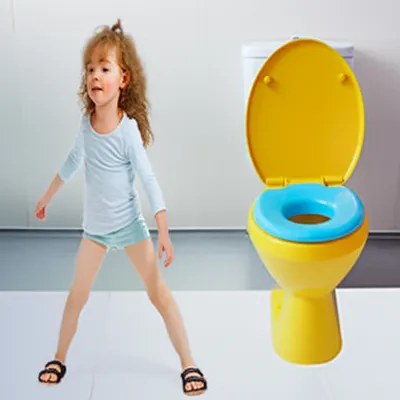
noun 다운로드 🔗공유 소변, 오줌 Urine. Examples : "The dog had an accident and left a puddle of wee on the rug. " 개가 사고를 내서 카펫에 오줌 웅덩이를 남겼다. body physiology AI와 채팅어휘 게임독해 연습
noun 다운로드 🔗공유 소변, 오줌 An act of urination. Examples : "I need to have a wee" 나 오줌 마려워. body physiology function AI와 채팅어휘 게임독해 연습
verb 다운로드 🔗공유 소변을 보다 To urinate. Examples : "The dog wee'd on the front porch again. " 개가 또 현관에 오줌을 쌌다. physiology body sex human medicine animal AI와 채팅어휘 게임독해 연습
pronoun 다운로드 🔗공유 우리 (personal) The speakers/writers, or the speaker/writer and at least one other person (not the person being addressed). (This is the exclusive we.) Examples : "We are going to the park after school today. " 우리는 오늘 학교 후에 공원에 갈 거예요. grammar language word linguistics AI와 채팅어휘 게임독해 연습
pronoun 다운로드 🔗공유 우리 (personal) The speaker(s)/writer(s) and the person(s) being addressed. (This is the inclusive we.) Examples : ""If wee work together on this project, I'm sure wee can finish it on time." " 우리가 이 프로젝트를 함께 한다면, 제 생각에는 제 시간에 끝낼 수 있을 것 같아요. grammar language linguistics word person AI와 채팅어휘 게임독해 연습
pronoun 다운로드 🔗공유 나 (personal) The speaker/writer alone. (This use of we is the editorial we, used by writers and others, including royalty—the royal we—as a less personal substitute for I. The reflexive case of this sense of we is ourself.) Examples : "After careful consideration, wee believe this new policy will benefit all employees. " 신중한 고려 끝에, 나는 이 새로운 정책이 모든 직원들에게 도움이 될 것이라고 믿습니다. language grammar writing AI와 채팅어휘 게임독해 연습
pronoun 다운로드 🔗공유 우리 (personal) The plural form of you, including everyone being addressed. Examples : "How are we all tonight?" 오늘 밤 우리 모두는 어때요? language grammar word linguistics AI와 채팅어휘 게임독해 연습
pronoun 다운로드 🔗공유 너 (personal, often considered patronising) A second- or third-person pronoun for a person in the speaker's care. Examples : "How are we feeling this morning?" 오늘 아침 기분이 어떠니? language linguistics grammar word person AI와 채팅어휘 게임독해 연습