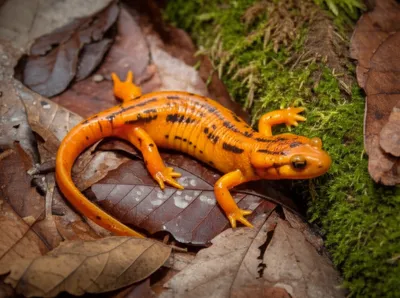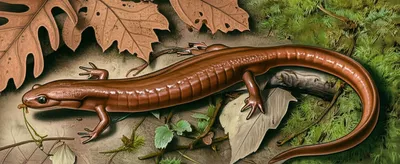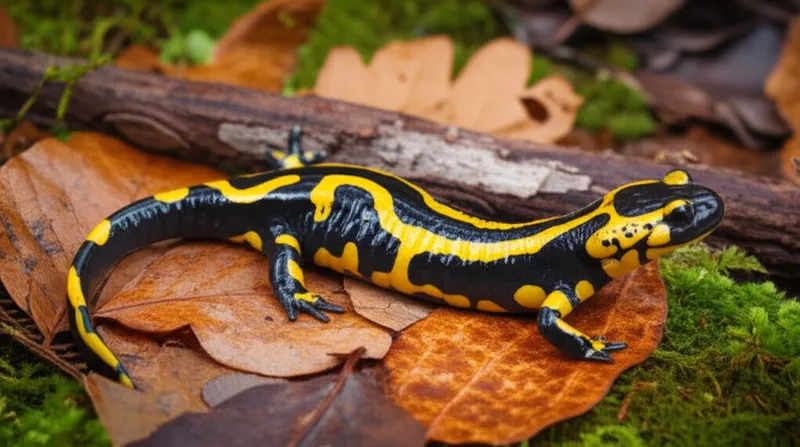



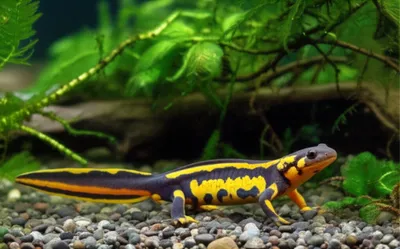
noun🔗ShareХвостатые земноводныеAny member of the Caudata order of amphibians."The zoology student learned that a salamander is a type of caudate, characterized by its tail and amphibian nature. "Студент-зоолог узнал, что саламандра — это вид хвостатых земноводных, характеризующийся своим хвостом и земноводной природой.animalbiologyorganismnatureChat with AIVocabulary GamePractice Reading
adjective🔗ShareХвостатый, имеющий хвостовидное продолжениеTapering into a long, tail-like extension at the apex."The artist's sculpted figure had a caudate tail, tapering smoothly to a long, pointed end. "Скульптура художника имела хвостатый хвост, плавно сужающийся к длинному, заостренному концу.appearancebiologyorganismanatomyChat with AIVocabulary GamePractice Reading
adjective🔗ShareХвостатыйHaving a tail."The comet streaked across the night sky, its caudate form leaving a bright trail behind it. "Комета прочертила ночное небо, ее хвостатая форма оставляла за собой яркий след.animalanatomybiologyChat with AIVocabulary GamePractice Reading
adjective🔗ShareХвостатыйOf or pertaining to the Caudata order of amphibians."The caudate amphibians, like salamanders, often require moist environments to thrive. "Хвостатые земноводные, такие как саламандры, часто нуждаются во влажной среде для процветания.organismanimalbiologynatureChat with AIVocabulary GamePractice Reading
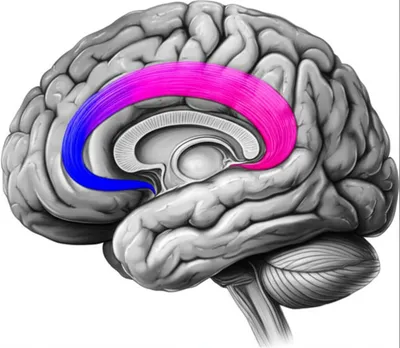
adjective🔗ShareХвостатый, имеющий хвостIndicates an anatomical structure with a tail-like extension, such as the Caudate nucleus."The frog's tadpole form has a caudate body, clearly showing a tail. "Тело головастика лягушки хвостатое, четко показывающее хвост.anatomybodyorganChat with AIVocabulary GamePractice Reading