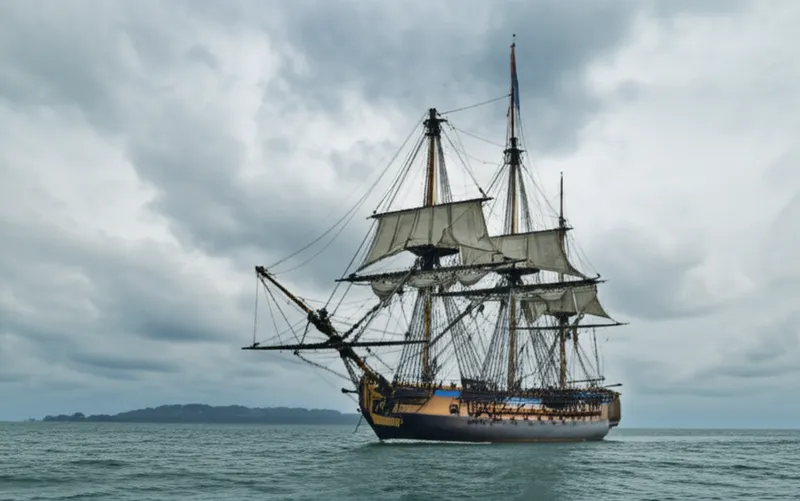

noun🔗ShareФрегатAn obsolete type of sailing warship with a single continuous gun deck, typically used for patrolling, blockading, etc, but not in line of battle."During the Age of Sail, a frigate was often used to patrol coastlines, protecting merchant ships from pirates. "В эпоху парусного флота фрегат часто использовался для патрулирования береговых линий, защищая торговые суда от пиратов.nauticalmilitarysailinghistorywarvehicleChat with AIVocabulary GamePractice Reading
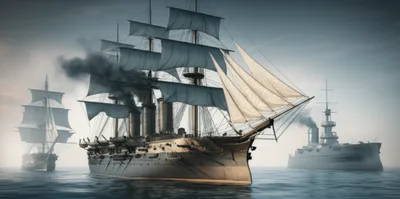
noun🔗ShareФрегатA 19th-century warship combining sail and steam propulsion, typically of ironclad timber construction, supplementing and superseding sailing ships of the battle line until made obsolete by the development of the solely steam-propelled iron battleship."The frigate, a powerful warship of its time, sailed proudly through the harbor, its iron hull gleaming in the sunlight. "Фрегат, мощный военный корабль своего времени, гордо плыл по гавани, его железный корпус сверкал на солнце.nauticalmilitaryvehiclehistorytechnologywarsailingChat with AIVocabulary GamePractice Reading
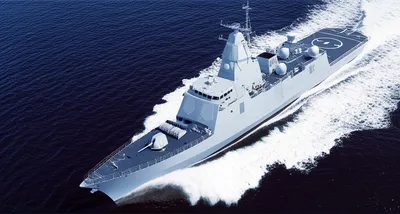
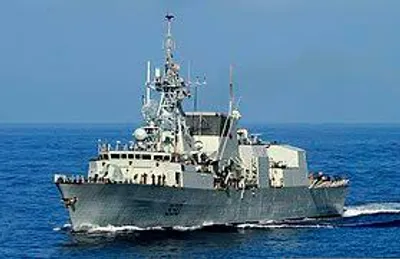
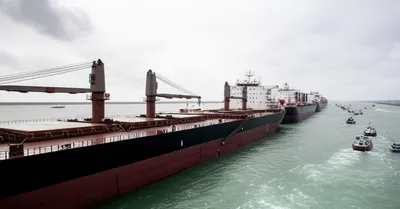
noun🔗ShareФрегатA modern type of warship, smaller than a destroyer, originally (WWII) introduced as an anti-submarine vessel but now general purpose."The navy's new frigate is smaller than a destroyer but has powerful sonar for detecting submarines. "Новый фрегат военно-морского флота меньше эсминца, но имеет мощный сонар для обнаружения подводных лодок.militarynauticalwarvehicleChat with AIVocabulary GamePractice Reading
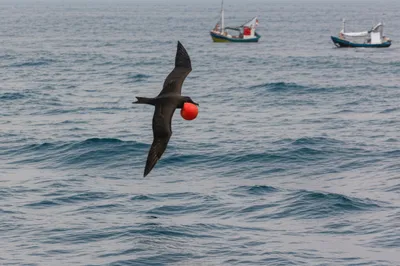
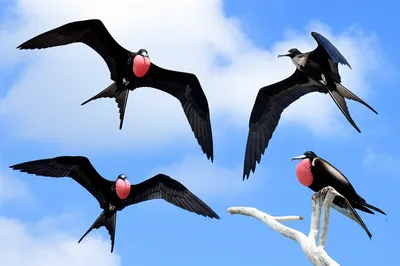
noun🔗ShareФрегатA frigatebird."From our boat, we watched a magnificent frigate soar effortlessly above the waves, its long wings catching the ocean breeze. "С нашей лодки мы наблюдали, как великолепный фрегат легко парит над волнами, его длинные крылья ловили морской бриз.birdChat with AIVocabulary GamePractice Reading