
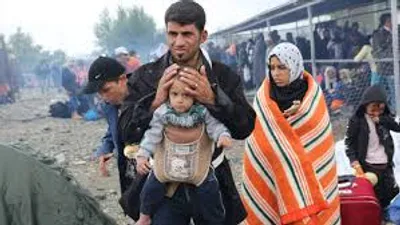

noun🔗ShareБеженецA person seeking refuge in a foreign country out of fear of political persecution or the prospect of such persecution in their home country, i.e., a person seeking political asylum."After the war, many refugees fled their country and sought safety in neighboring nations. "После войны многие беженцы бежали из своей страны и искали убежища в соседних странах.politicsworldgovernmentnationrighthumanpersonstatewarlawsocietyessentialChat with AIVocabulary GamePractice Reading
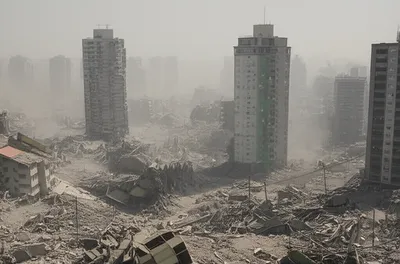
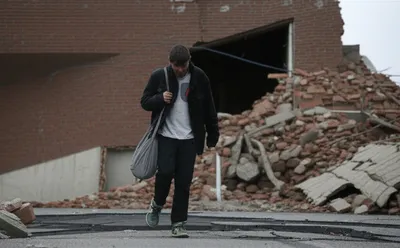
noun🔗ShareБеженецA person seeking refuge due to a natural disaster, war, etc."After the earthquake, many families became refugees and sought shelter in a nearby town. "После землетрясения многие семьи стали беженцами и искали убежища в близлежащем городе.persondisasterwarpoliticsnationsocietygovernmenthumanaidessentialChat with AIVocabulary GamePractice Reading
noun🔗ShareБеженецA person formally granted political or economic asylum by a country other than their home country."After fleeing the war, the young refugee was granted asylum in Canada. "После бегства от войны молодому беженцу предоставили убежище в Канаде.politicsgovernmentnationsocietyhumanpersonworldaidrightessentialChat with AIVocabulary GamePractice Reading
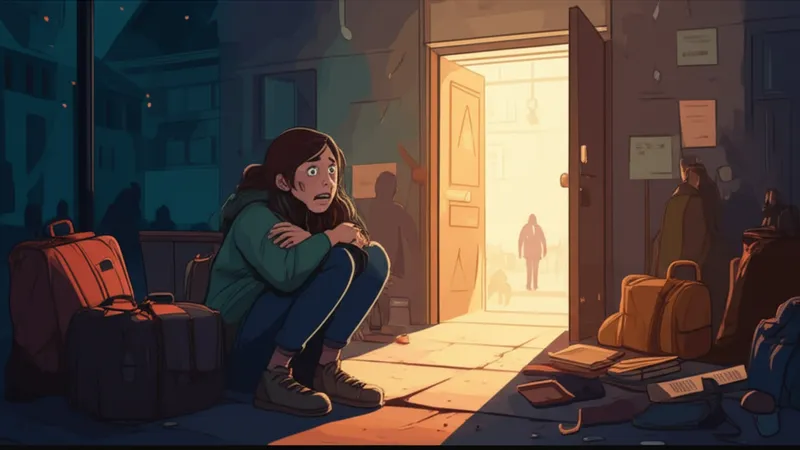
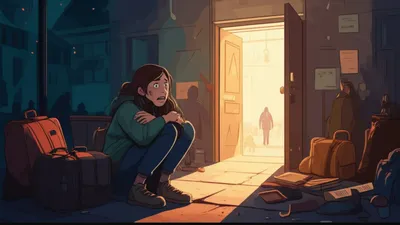
noun🔗ShareБеженец(by extension) A person who flees one place or institution for another."After a big argument with his family, the teenager became a refugee from his own home, seeking shelter with a friend. "После крупной ссоры с семьей подросток стал беженцем из собственного дома, ища убежища у друга.personpoliticssocietygovernmentdisasterwarhumanessentialChat with AIVocabulary GamePractice Reading
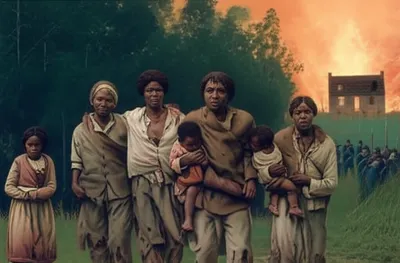
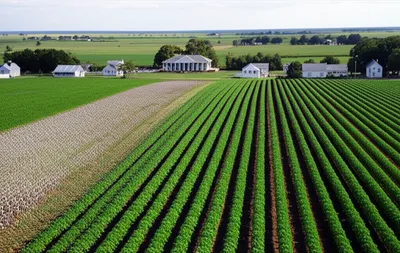
verb🔗ShareЭвакуировать, укрыватьTo convey (slaves) away from the advance of the federal forces."The plantation owner had to refugee his slaves as the Union army approached. "Владельцу плантации пришлось эвакуировать своих рабов, когда приближалась армия Союза.historywarmilitaryessentialChat with AIVocabulary GamePractice Reading