verb 下载 🔗分享 反驳,驳斥 To contradict, to provide proof that something is not. Examples : "The thought is that you see an episode of observation, experiment, or reasoning as confirming or infirming a hypothesis depending on whether your probability for it increases or decreases during the episode." 人们的想法是,你将一次观察、实验或推理视为证实或反驳了一个假设,这取决于在那次事件中你对该假设的可能性是增加还是减少。 statement logic language 与AI对话词汇游戏阅读练习
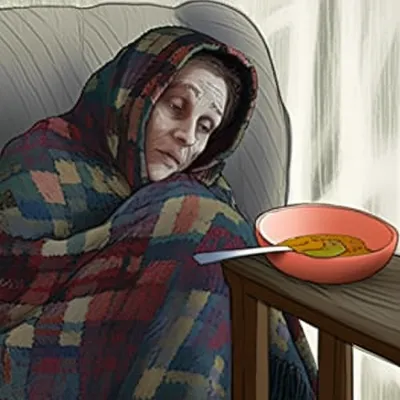
adjective 下载 🔗分享 体弱多病,虚弱。 Weak or ill, not in good health. Examples : "My grandmother has become too infirm to live alone, so she's moving in with us. " 我的奶奶现在身体太虚弱了,没法自己一个人住了,所以要搬来和我们一起住。 medicine body condition age physiology person 与AI对话词汇游戏阅读练习
adjective 下载 🔗分享 意志薄弱,犹豫不决 Irresolute; weak of mind or will. Examples : "The student, feeling infirm about his answer, hesitated before raising his hand. " 这个学生对自己的答案感到信心不足,意志有些薄弱,所以举手前犹豫了一下。 mind condition character ability 与AI对话词汇游戏阅读练习
adjective 下载 🔗分享 虚弱, 脆弱, 不牢固。 Frail; unstable; insecure. Examples : "The elderly man was too infirm to walk without his cane. " 那位老人身体太虚弱了,不拄拐杖就走不了路。 medicine age body condition human 与AI对话词汇游戏阅读练习