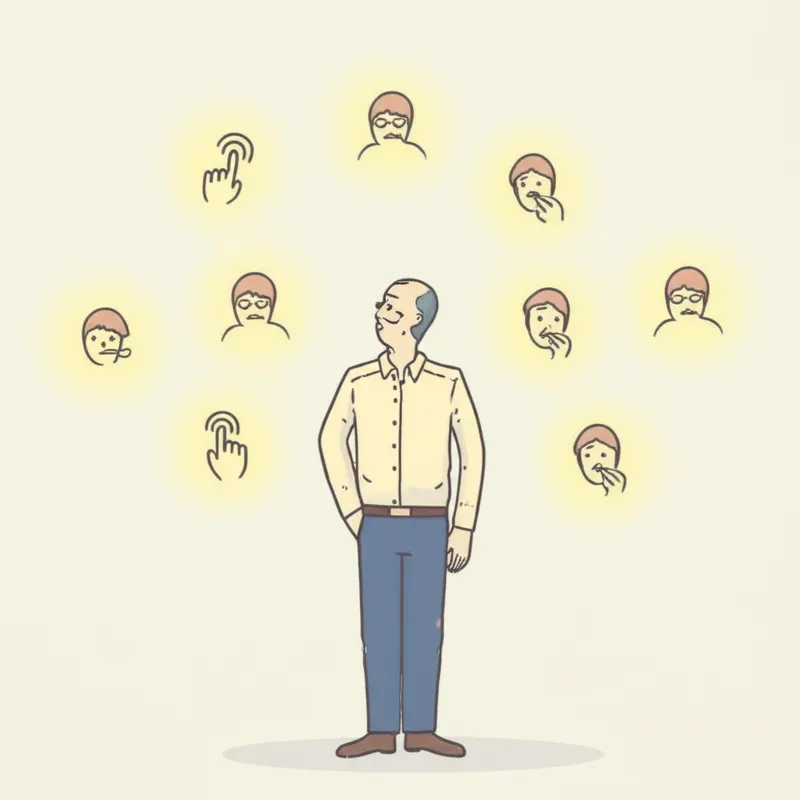

noun🔗Share习惯性动作,个人习惯。 A noticeable personal habit, a verbal or other (often, but not necessarily unconscious) habitual behavior peculiar to an individual."My grandfather has a lot of quirky mannerisms, like tapping his foot rhythmically while he talks. "我的爷爷有很多特别的个人习惯,比如说话的时候会很有节奏地敲着脚。humancharactermindstyleattitudeChat with AIVocabulary GamePractice Reading
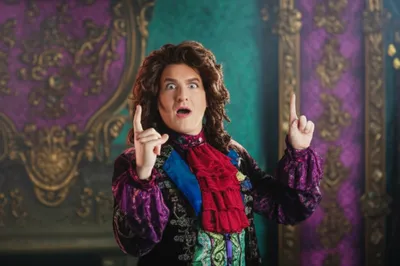
noun🔗Share做作的姿态,怪癖。 Exaggerated or affected style in art, speech, or other behavior."The actor's mannerisms, like constantly adjusting his tie and dramatically sighing, made his performance seem artificial. "这位演员做作的姿态和怪癖,比如不停地调整领带和夸张地叹气,让他的表演显得非常不自然。stylecharacterappearanceattitudehumanwayChat with AIVocabulary GamePractice Reading
noun🔗Share矫揉造作,矫饰主义。 In literature, an ostentatious and unnatural style of the second half of the sixteenth century. In the contemporary criticism, described as a negation of the classicist equilibrium, pre-Baroque, and deforming expressiveness."The actor's excessive bowing and dramatic hand gestures were clear mannerisms, betraying a style more focused on showy artifice than genuine emotion. "演员过度鞠躬和夸张的手势都属于明显的矫饰主义表现,暴露出一种注重炫耀技巧而非真情实感的表演风格。literaturestyleartlanguagewritinghistorycultureChat with AIVocabulary GamePractice Reading
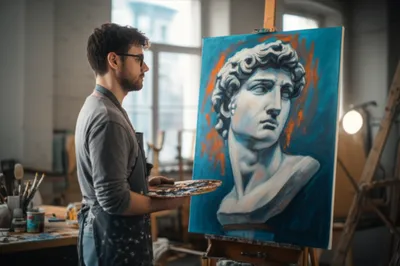
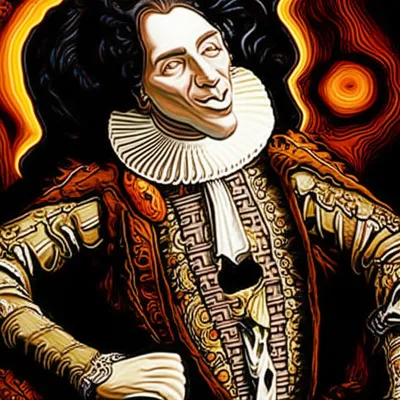
noun🔗Share风格主义,矫饰主义 In fine art, a style that is inspired by previous models, aiming to reproduce subjects in an expressive language."The young artist imitated the master's mannerisms in his painting, exaggerating the figures' poses and using dramatic colors for an expressive effect. "这位年轻的艺术家在他的画作中模仿了大师的风格主义,夸张了人物的姿势,并使用了戏剧性的色彩,以达到富有表现力的效果。artstyleChat with AIVocabulary GamePractice Reading