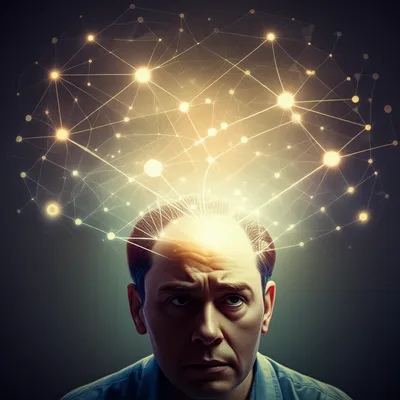

noun🔗Share致幻剂,迷幻药. Any psychoactive substance (such as LSD or psilocybin) which, when consumed, causes perceptual changes (sometimes erratic and uncontrollable), visual hallucination, and altered awareness of the body and mind."During the 1960s, authorities tried to understand the long-term effects of widespread psychedelic use. "在20世纪60年代,政府试图了解广泛使用致幻剂/迷幻药的长期影响。substancemedicinemindchemistryChat with AIVocabulary GamePractice Reading
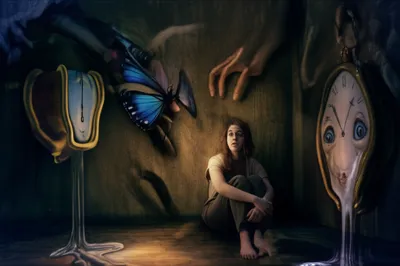
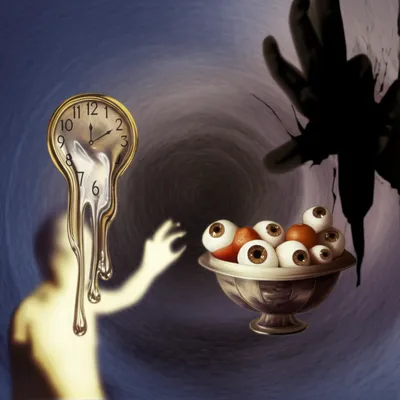
adjective🔗Share致幻的,迷幻的. Of, containing, generating, or reminiscent of drug-induced hallucinations, distortions of perception, altered awareness etc."The psychedelic patterns in the artist's painting made the viewer feel disoriented. "这 位 艺术家 画作 中 迷幻 的 图案 让 观赏 者 感到 迷失 方向。mindmedicinesensationartcultureChat with AIVocabulary GamePractice Reading
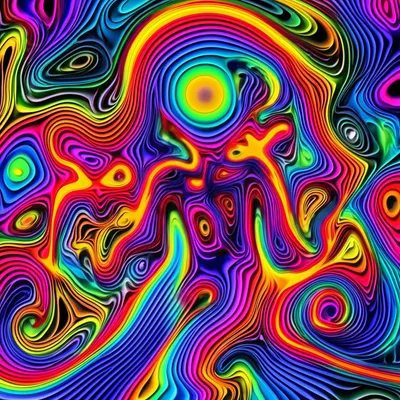
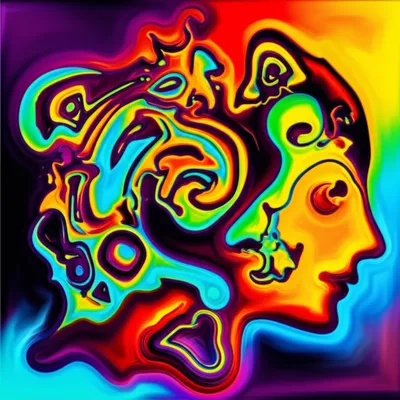
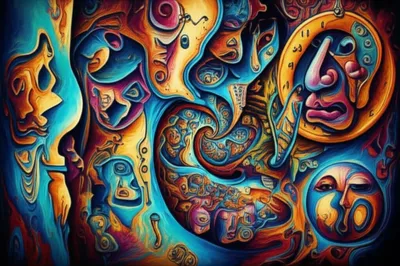
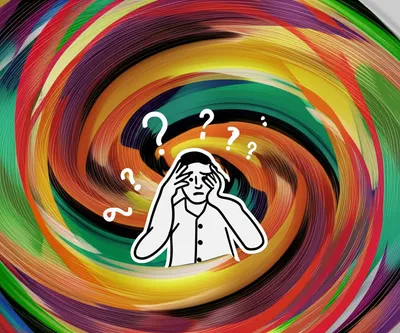
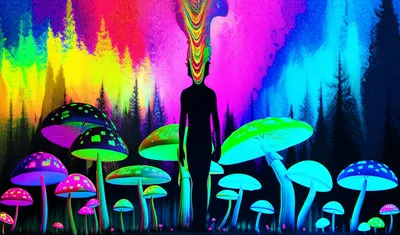
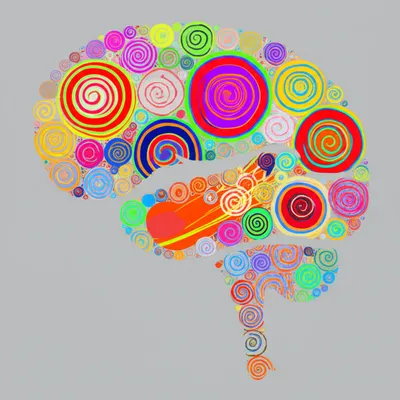
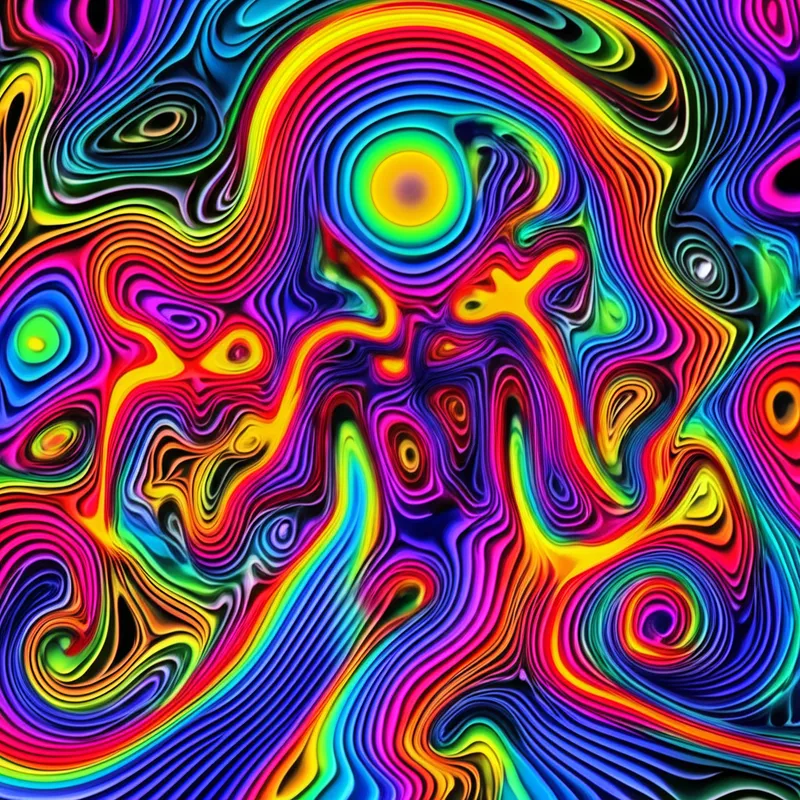
adjective🔗Share致幻的,迷幻的 (of graphics, etc.) Having bright colours, abstract shapes, etc. reminiscent of drug-induced hallucinations or distortions of perception."The museum displayed a series of paintings with psychedelic patterns and swirling colors that made you feel like you were dreaming. "这家博物馆展出了一系列带有迷幻图案和漩涡色彩的画作,让人感觉仿佛置身于梦境之中。mindartculturestylesensationappearanceChat with AIVocabulary GamePractice Reading
interjection🔗Share太棒了,酷,妙极了 Awesome, cool, groovy""My new sneakers? Psychedelic!" "我的新运动鞋?太酷了!languageculturestyleChat with AIVocabulary GamePractice Reading