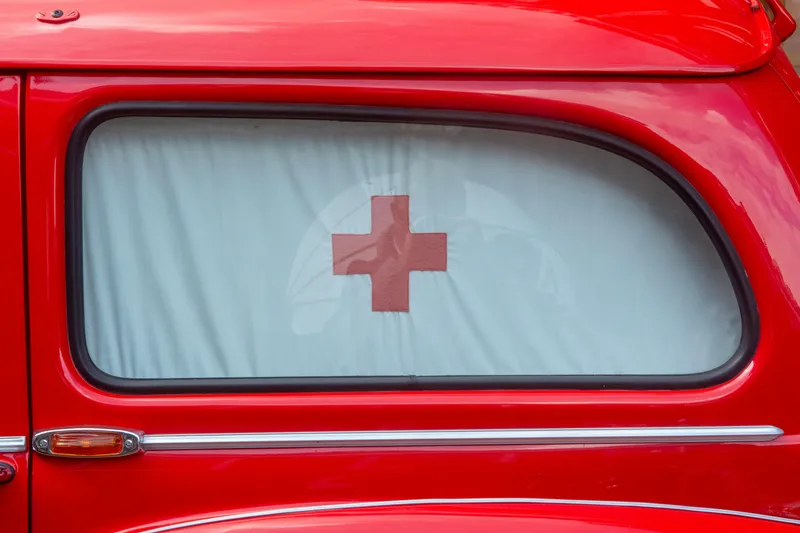

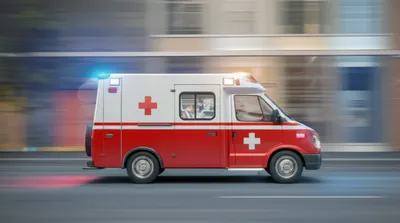


noun🔗ShareAmbulancesAn emergency vehicle designed for transporting seriously ill or injured people to a hospital."After the car accident, several ambulances arrived to take the injured people to the hospital. "Après l'accident de voiture, plusieurs ambulances sont arrivées pour emmener les blessés à l'hôpital.medicinevehicleaidserviceChat with AIVocabulary GamePractice Reading
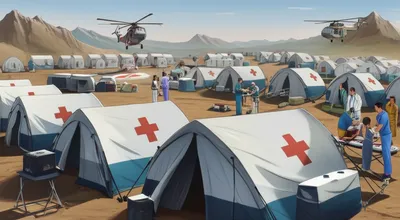
noun🔗ShareAmbulancesA mobile field hospital."After the soccer game, two ambulances were on the field, providing immediate medical care to injured players. "Après le match de football, deux ambulances étaient sur le terrain, prodiguant des soins médicaux immédiats aux joueurs blessés.medicinevehicleaidserviceChat with AIVocabulary GamePractice Reading
noun🔗ShareAmbulancesA prairie wagon."During the westward expansion, families often traveled in ambulances, heavily loaded with all their belongings. "Pendant l'expansion vers l'ouest, les familles voyageaient souvent en ambulances, lourdement chargées de toutes leurs affaires.vehiclehistoryChat with AIVocabulary GamePractice Reading
verb🔗ShareTransporter en ambulanceTo transport by ambulance."Instead of saying "They transported him by ambulance," which is more common, and therefore, more in line with the verb form of the word, consider this: "After the soccer player broke his leg, paramedics had to ambulances him to the hospital." "Après que le joueur de football s'est cassé la jambe, les ambulanciers ont dû le transporter en ambulance à l'hôpital.medicinevehicleserviceaidChat with AIVocabulary GamePractice Reading