




pronoun🔗ShareNous(personal) The speakers/writers, or the speaker/writer and at least one other person (not the person being addressed). (This is the exclusive we.)"We are going to the park after school today. "Nous allons au parc après l'école aujourd'hui.grammarlanguagewordessentialChat with AIVocabulary GamePractice Reading
pronoun🔗ShareNous(personal) The speaker(s)/writer(s) and the person(s) being addressed. (This is the inclusive we.)"We are going to the park after school today. "Nous allons au parc après l'école aujourd'hui.languagegrammarwordcommunicationpersonessentialChat with AIVocabulary GamePractice Reading
pronoun🔗ShareNous(personal) The speaker/writer alone. (This use of we is the editorial we, used by writers and others, including royalty—the royal we—as a less personal substitute for I. The reflexive case of this sense of we is ourself.)"We believe that students should be given more opportunities to learn about different cultures. "Nous pensons que les étudiants devraient avoir davantage d'occasions de découvrir différentes cultures.grammarlanguagewritingliteraturewordessentialChat with AIVocabulary GamePractice Reading
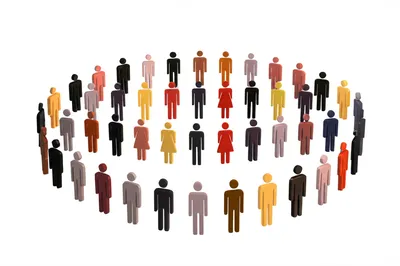
pronoun🔗ShareNous(personal) The plural form of you, including everyone being addressed."How are we all tonight?"Comment allons-nous tous ce soir ?grammarlanguageessentialChat with AIVocabulary GamePractice Reading
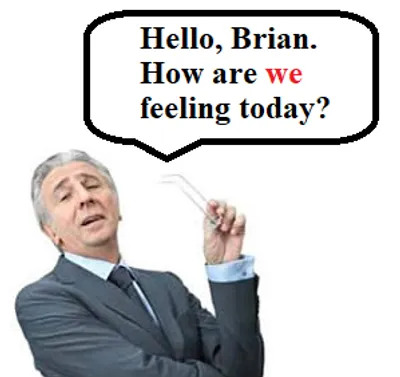
pronoun🔗ShareNous(personal, often considered patronising) A second- or third-person pronoun for a person in the speaker's care."How are we feeling this morning?"Comment allons-nous ce matin ?languagelinguisticsessentialChat with AIVocabulary GamePractice Reading