





verb🔗Share勘当する, 絶縁するTo disclaim and expel from the family, as a father his child; to disown; to disinherit."The angry father abdicated his son, refusing to support him financially or emotionally after the son's poor academic performance. "怒った父親は、息子の成績不振の後、彼を経済的にも感情的にも支援することを拒否し、息子を勘当しました。familyroyalgovernmentpoliticslawChat with AIVocabulary GamePractice Reading
verb🔗Share退位する, 辞任するTo formally separate oneself from or to divest oneself of."The mayor decided to abdicate his position after facing years of criticism. "市長は長年の批判に直面し、辞任を決意しました。politicsgovernmentroyalstateactionChat with AIVocabulary GamePractice Reading
verb🔗Share退位する, 譲位するTo depose."The queen abdicated the throne, deposing her son as heir. "女王は退位し、息子を後継者として廃位させた。politicsgovernmentroyalhistoryChat with AIVocabulary GamePractice Reading
verb🔗Share退位する, 放棄するTo reject; to cast off; to discard."The stressed student decided to abdicate their responsibilities and go to the movies instead. "ストレスを感じた学生は、自分の責任を放棄して、代わりに映画を見に行くことにした。politicsgovernmentroyalactionstateChat with AIVocabulary GamePractice Reading
verb🔗Share退位する, 辞任する, 放棄するTo surrender, renounce or relinquish, as sovereign power; to withdraw definitely from filling or exercising, as a high office, station, dignity; to fail to fulfill responsibility for."Note: The word abdicate was held to mean, in the case of James II, to abandon without a formal surrender."注:ジェームズ2世の場合、「退位する」という言葉は、正式な降伏なしに放棄することを意味すると解釈された。politicsgovernmentroyalactionstatejobpositionhistoryChat with AIVocabulary GamePractice Reading
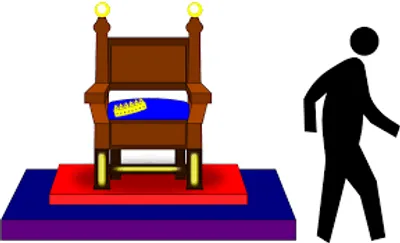
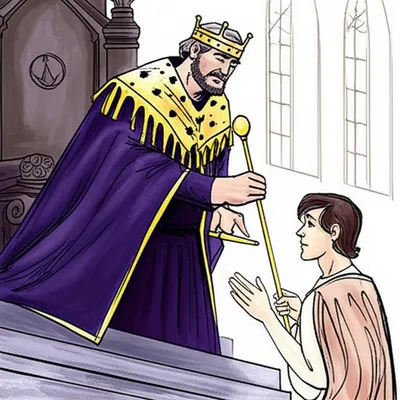
verb🔗Share退位する, 譲位するTo relinquish or renounce a throne, or other high office or dignity; to renounce sovereignty."The king abdicated the throne after years of declining health. "国王は長年の健康悪化の後、退位した。politicsgovernmentroyalhistorynationstateChat with AIVocabulary GamePractice Reading