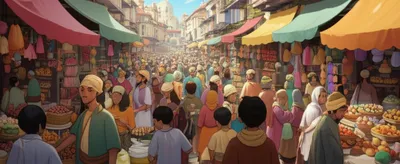



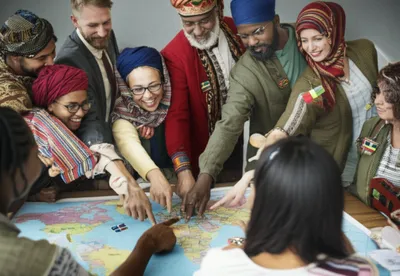
noun🔗Share国家, 民族A historically constituted, stable community of people, formed on the basis of a common language, territory, economic life, ethnicity and/or psychological make-up manifested in a common culture."The Kurdish people constitute a nation in the Middle East"クルド人は中東で国家を構成しています。nationpoliticsgovernmentstatesocietyhistoryculturegeographyessentialChat with AIVocabulary GamePractice Reading
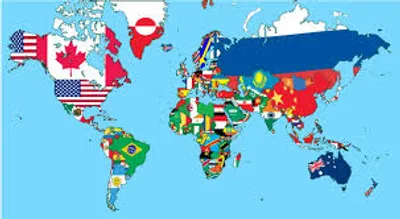
noun🔗Share国家, 民族A sovereign state."Though legally single nations, many states comprise several distinct cultural or ethnic groups."法的には単一の国家ですが、多くの州はいくつかの異なる文化的または民族的グループで構成されています。nationpoliticsgovernmentstateworldgeographyessentialChat with AIVocabulary GamePractice Reading
noun🔗Share出身地や民族に基づく学生団体An association of students based on its members' birthplace or ethnicity."Once widespread across Europe in medieval times, nations are now largely restricted to the ancient universities of Sweden and Finland."かつて中世ヨーロッパで広く見られた出身地や民族に基づく学生団体は、現在ではスウェーデンとフィンランドの古い大学にほぼ限定されています。grouporganizationsocietyeducationessentialChat with AIVocabulary GamePractice Reading
noun🔗Share多数, 多くのA great number; a great deal."The nation of students in the auditorium was enormous. "講堂の学生の数は膨大だった。amountnumbermassessentialChat with AIVocabulary GamePractice Reading
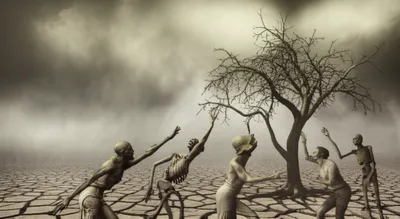
noun🔗Share破滅、呪いDamnation."The teacher's harsh words were a nation of disappointment for the student. "教師の厳しい言葉は、生徒にとって失望の破滅だった。cursetheologyreligionsoulexclamationnegativeessentialChat with AIVocabulary GamePractice Reading
adverb🔗Share非常に, 非常にExtremely, very."The teacher was nation tired after grading all those papers. "先生は、それらのすべての答案を採点した後、非常に疲れました。grammarlanguageessentialChat with AIVocabulary GamePractice Reading