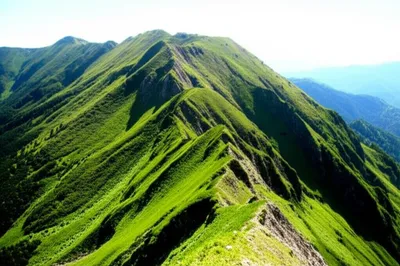
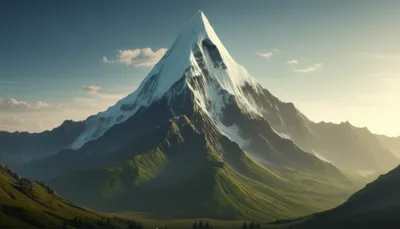
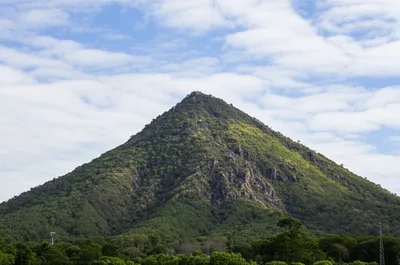
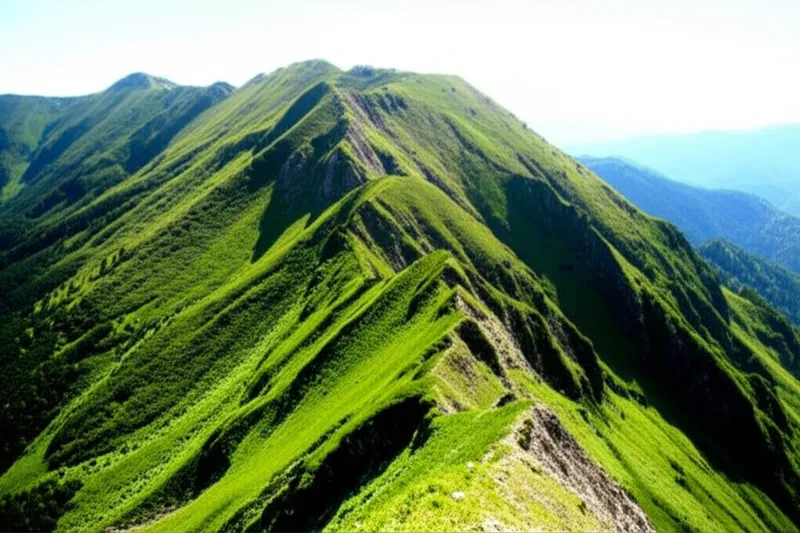
noun ダウンロード 🔗共有 禿山頂上 A mountain summit or crest that lacks forest growth despite a warm climate conducive to such, as is found in many places in the Southern Appalachian Mountains. Examples : "The bald on Mount Mitchell is a surprising sight, given how warm and humid the surrounding area is. " ミッチェル山の禿山頂上は、周囲の地域がどれほど暖かく湿潤であるかを考えると、驚くべき光景です。 geography geology environment nature place AIとチャット語彙ゲーム読解練習
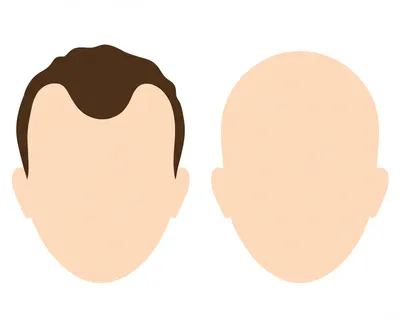
verb ダウンロード 🔗共有 禿げる To become bald. Examples : "My grandfather is bald now; he started bald-ing when he was fifty. " 祖父は今では禿げています。彼は50歳のときに禿げ始めました。 appearance body AIとチャット語彙ゲーム読解練習
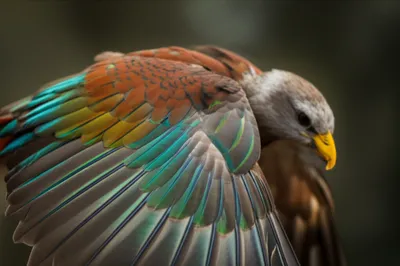
adjective ダウンロード 🔗共有 禿げた Having no hair, fur or feathers. Examples : "My grandfather is bald, with no hair on his head. " 私の祖父は頭に髪の毛がなく、禿げています。 appearance body human AIとチャット語彙ゲーム読解練習
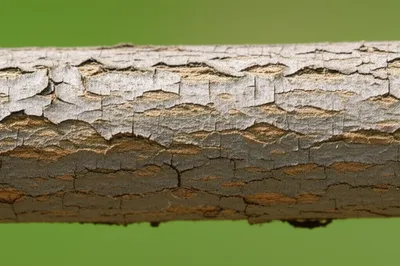
adjective ダウンロード 🔗共有 禿げた (by extension) Denuded of any hair- or fur-like covering. Examples : "The bald cypress is a tree that loses its leaves in winter." ラクウショウは冬に葉を落とす木です。 appearance body AIとチャット語彙ゲーム読解練習
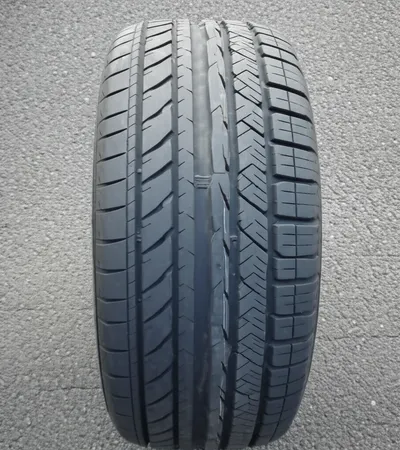
adjective ダウンロード 🔗共有 すり減った, 摩耗した Of tyres: whose surface is worn away. Examples : "The old tires on the school bus were bald, so the driver had to get new ones. " スクールバスの古いタイヤはすり減っていたので、運転手は新しいタイヤを手に入れなければなりませんでした。 technical vehicle wear AIとチャット語彙ゲーム読解練習
adjective ダウンロード 🔗共有 率直な, むき出しの (of a statement or account) Unembellished. Examples : "The teacher's report on the student's progress was bald: it simply stated the facts without any extra comments. " 生徒の進捗に関する教師の報告は率直で、余計なコメントなしに事実を述べただけだった。 language style AIとチャット語彙ゲーム読解練習
adjective ダウンロード 🔗共有 根拠のない、裏付けのない (of a statement) Without evidence or support being provided. Examples : "His argument for skipping school was bald; he offered no reason. " 彼が学校をサボるための言い訳は根拠がなく、彼は理由を何も提示しなかった。 statement language communication writing AIとチャット語彙ゲーム読解練習