


noun🔗Share聴覚を持つ両親から生まれた聴者A person born hearing to deaf parents."Maria, a coda, often helps her deaf parents communicate at doctor's appointments. "聴覚を持つ両親から生まれたマリアは、聴覚障害のある両親が医者の診察でコミュニケーションを取るのをよく手伝います。familypersonlanguagecommunicationhumanChat with AIVocabulary GamePractice Reading
noun🔗Shareコーダ、終結部A passage that brings a movement or piece to a conclusion through prolongation."The teacher added a short coda to the lesson, summarizing the key points one last time before dismissal. "先生は授業に短いコーダを加え、授業終了前に重要な点を最後にまとめました。musicChat with AIVocabulary GamePractice Reading
noun🔗Share音節のオプションの最終部分で、その核の後に配置され、通常1つ以上の子音から構成される部分The optional final part of a syllable, placed after its nucleus, and usually composed of one or more consonants."The word “salts” has three consonants — /l/, /t/, and /s/ — in its coda, whereas the word “glee” has no coda at all."単語「salts」は、そのコーダに3つの子音/l/、/t/、および/s/を持ちますが、単語「glee」にはコーダが全くありません。phoneticslanguagelinguisticsChat with AIVocabulary GamePractice Reading
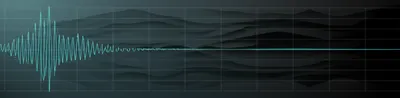
noun🔗Shareコーダ、地震後の基線への漸進的な復帰In seismograms, the gradual return to baseline after a seismic event. The length of the coda can be used to estimate event magnitude, and the shape sometimes reveals details of subsurface structures."After the main earthquake waves passed, the seismogram showed a long, fading coda, which scientists used to estimate the quake's overall strength. "主要な地震波が通過した後、地震計は長く、フェードアウトするコーダを示し、科学者たちはそれを使って地震全体の強度を推定しました。geologyphysicsphenomenaeventstructurenaturescienceChat with AIVocabulary GamePractice Reading
noun🔗Share終結部, 締めくくりA conclusion (of a statement or event, for example), final portion, tail end."After a long and emotional debate about the school budget, the principal offered a short coda summarizing the key points. "学校予算に関する長く感情的な議論の後、校長は要点をまとめた短い締めくくりを提示した。partmusicliteratureeventstoryoutcomelanguageChat with AIVocabulary GamePractice Reading