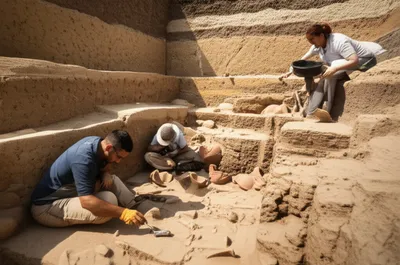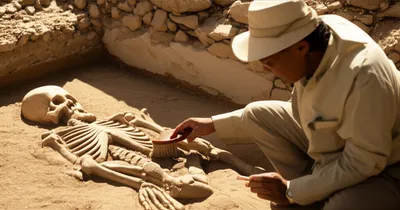

noun🔗Share発掘, 掘削The act of excavating, or of making hollow, by cutting, scooping, or digging out a part of a solid mass.""The archeologists' excavations revealed ancient pottery and tools buried deep underground." "考古学者の発掘調査により、地中深くに埋もれていた古代の陶器や道具が明らかになった。archaeologygeologyhistoryactionChat with AIVocabulary GamePractice Reading
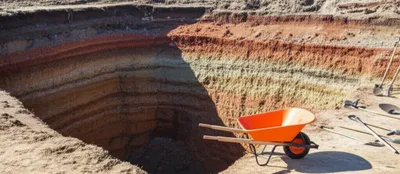
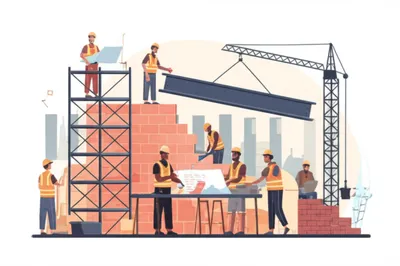
noun🔗Share発掘, 掘削A cavity formed by cutting, digging, or scooping."Construction workers made large excavations to lay the foundation for the new building. "建設作業員は、新しい建物の基礎を築くために大規模な発掘を行いました。archaeologygeologybuildinghistoryChat with AIVocabulary GamePractice Reading
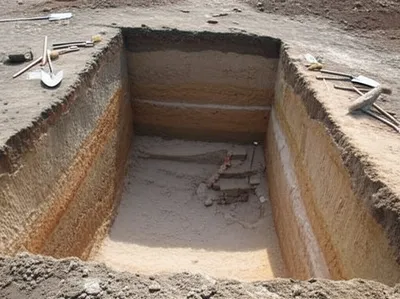
noun🔗Share発掘, 掘削An uncovered cutting in the earth, in distinction from a covered cutting or tunnel."Construction workers made large excavations to prepare the ground for the new building's foundation. "建設作業員は、新しい建物の基礎のために地面を準備するために大規模な掘削を行いました。archaeologygeologyhistoryenvironmentbuildingChat with AIVocabulary GamePractice Reading
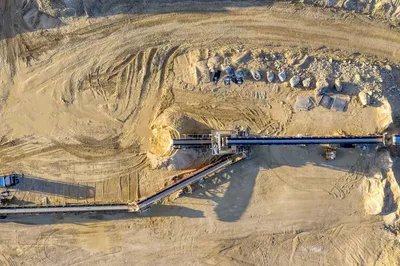
noun🔗Share掘削物, 発掘物The material dug out in making a channel or cavity."The construction workers removed the excavations from the large hole they dug for the building's foundation. "建設作業員は、建物の基礎のために掘った大きな穴から掘削物を運び出した。archaeologygeologyhistoryenvironmentChat with AIVocabulary GamePractice Reading
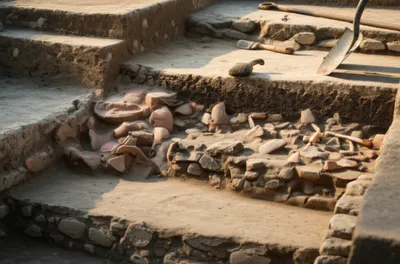
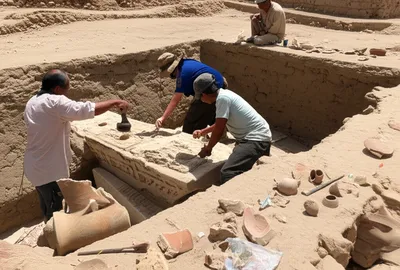
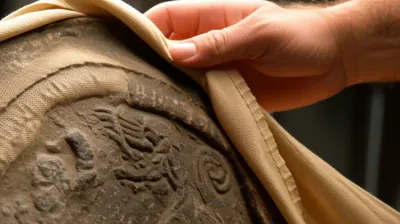
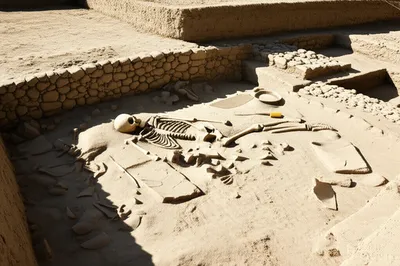
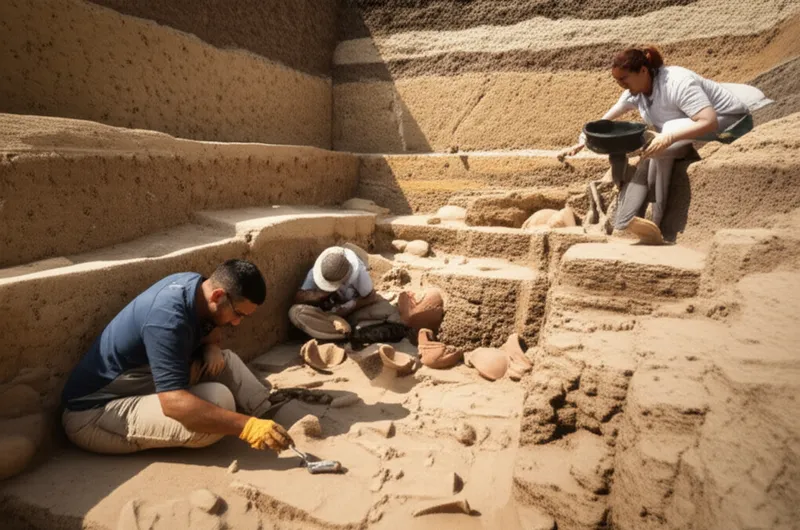
noun🔗Share発掘調査Archaeological research that unearths buildings, tombs and objects of historical value."The excavations at the ancient Roman city revealed well-preserved houses and tools. "古代ローマ都市の発掘調査で、保存状態の良い家屋や道具が明らかになった。archaeologyhistorybuildingChat with AIVocabulary GamePractice Reading
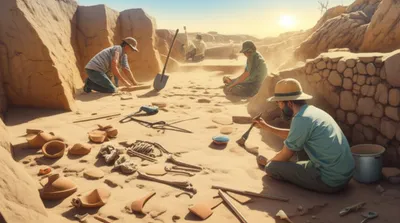
noun🔗Share発掘現場A site where an archaeological exploration is being carried out."The excavations near the old city walls revealed pottery fragments and ancient tools. "古い城壁近くの発掘現場からは、陶器の破片や古代の道具が出土した。archaeologyhistorygeologyplaceChat with AIVocabulary GamePractice Reading