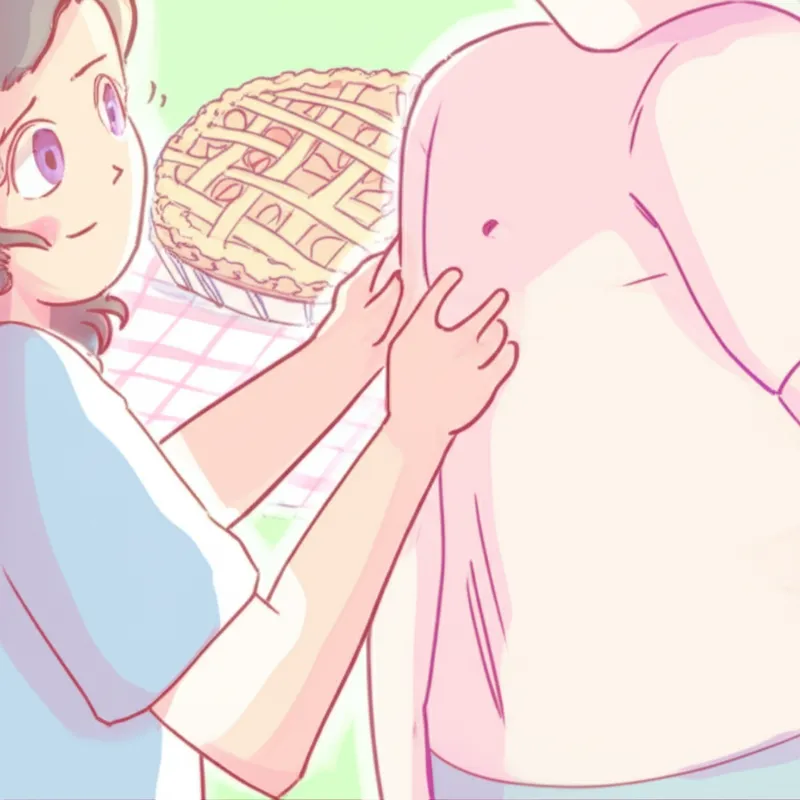

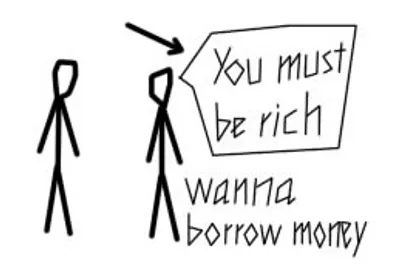
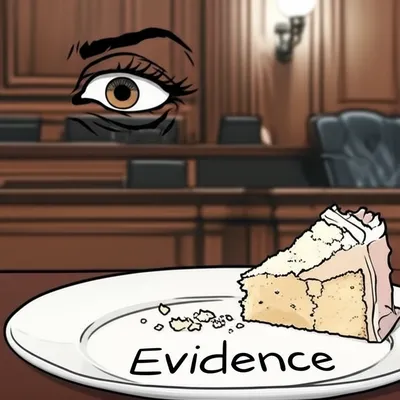
noun🔗Share当てこすり, ほのめかしA derogatory hint or reference to a person or thing. An implication, intimation or insinuation."She made a devious innuendo about her husband, who was embarrassed."彼女は、当惑した夫について、意地悪な当てこすりを言った。communicationlanguagecharacterwordsocietyChat with AIVocabulary GamePractice Reading
noun🔗Shareほのめかし, 遠回しの非難A rhetorical device with an omitted, but obvious conclusion, made to increase the force of an argument."During the school debate, Sarah used an innuendo about her opponent's lack of research, implying that their arguments were weak. "学校の討論会で、サラは相手の研究不足についてほのめかしを行い、その主張が弱いことをほのめかした。languagecommunicationliteraturewritingChat with AIVocabulary GamePractice Reading
noun🔗Shareほのめかし、当てこすりPart of a pleading in cases of libel and slander, pointing out what and whom was meant by the libellous matter or description."The innuendo in the letter to the editor clearly pointed to the specific teacher, not the whole department, as the subject of the criticism. "編集者への手紙のほのめかしは、批判の対象として、部門全体ではなく、特定の教師を明確に指し示していた。lawlanguagecommunicationmediaChat with AIVocabulary GamePractice Reading
verb🔗Shareほのめかす, ほのめかして言うTo interpret (something libellous or slanderous) in terms of what was implied."The teacher innuendoed the student's comments about the test, interpreting them as a complaint about the teacher's teaching methods, even though the student had only been suggesting a few questions were unclear. "先生は、生徒のテストに関するコメントをほのめかし、生徒がいくつかの質問が不明確だと示唆しただけだったにもかかわらず、それを先生の指導方法に対する不満と解釈した。communicationlanguagewordsocietystatementlawactionChat with AIVocabulary GamePractice Reading