




verb🔗Share追放する, 追放To cast out; to banish."The school outcast him for his disruptive behavior. "学校は彼の破壊的な行動のために彼を追放した。societygroupcultureChat with AIVocabulary GamePractice Reading
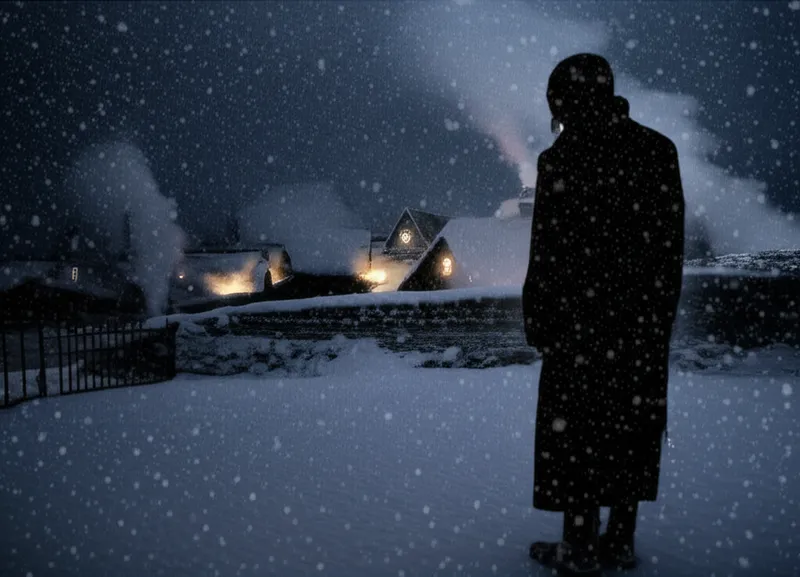
adjective🔗Share追放された, 追われたThat has been cast out; banished, ostracized."Because of his constant lying, he became an outcast within his own family. "彼は嘘をつき続けたため、自分の家族の中で追放者となった。societyculturehumanChat with AIVocabulary GamePractice Reading
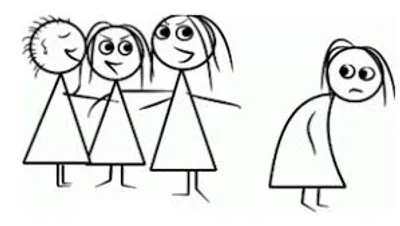
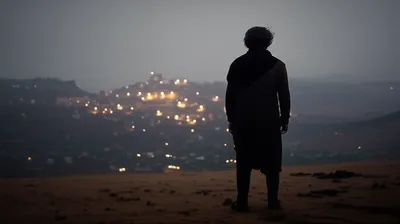
noun🔗Share追放者, 異端者One that has been excluded from a society or system, a pariah."The student felt like an outcast after he moved to a new school and nobody would talk to him. "新しい学校に転校し、誰も彼と話そうとしなかったため、その生徒は自分が追放者のように感じた。societypersonculturecharacterChat with AIVocabulary GamePractice Reading
noun🔗Shareはみ出し者, 異端者(more generally) Someone who does not belong; a misfit."The new student felt like an outcast at school because he didn't speak the same language as his classmates. "新しい生徒は、クラスメートと同じ言語を話せなかったため、学校ではみ出し者のように感じました。personcharactersocietyculturegroupChat with AIVocabulary GamePractice Reading
noun🔗Share口論, 喧嘩A quarrel."The family's recent argument was a bitter outcast, creating tension for weeks. "家族の最近の口論は激しい喧嘩となり、何週間も緊張を生み出した。groupsocietycharacterChat with AIVocabulary GamePractice Reading
noun🔗Share麦芽製造における穀物の嵩の増加量The amount of increase in bulk of grain in malting."The barley's high outcast during the malting process resulted in a larger yield. "麦芽製造プロセス中の大麦のかさ高い増加量により、より多くの収量が得られました。agriculturetechnicalprocessChat with AIVocabulary GamePractice Reading