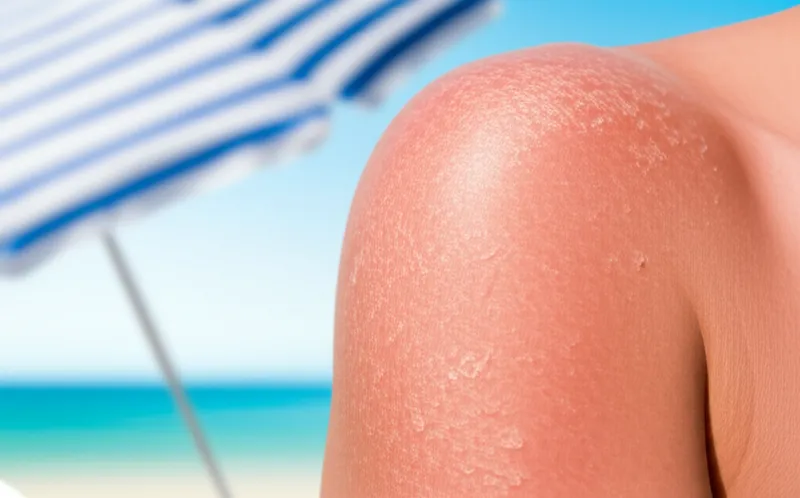
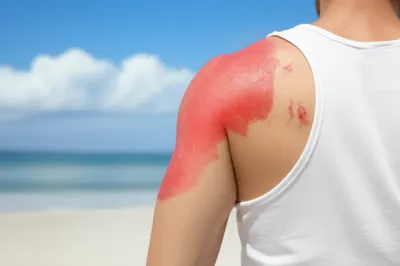
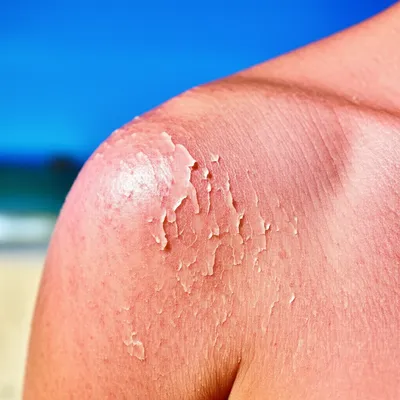
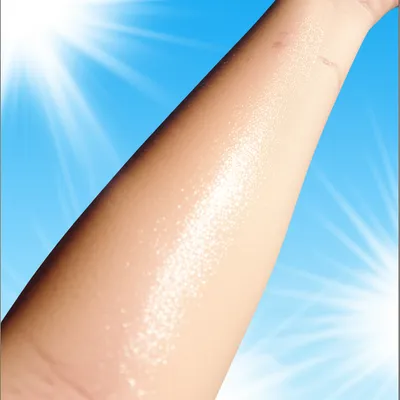
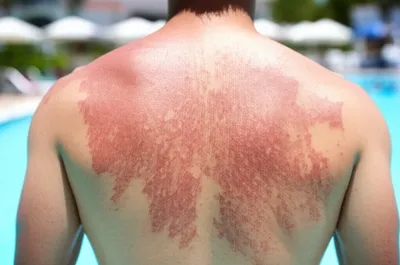
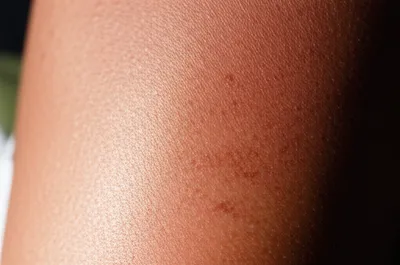
noun ダウンロード 🔗共有 日焼け A burn on the skin caused by excess exposure to the sun's rays. Examples : "The boy developed sunburns on his arms and shoulders from playing outside all afternoon. " その男の子は、午後の間ずっと外で遊んでいたので、腕と肩に日焼けができました。 body medicine physiology sensation disease appearance weather AIとチャット語彙ゲーム読解練習
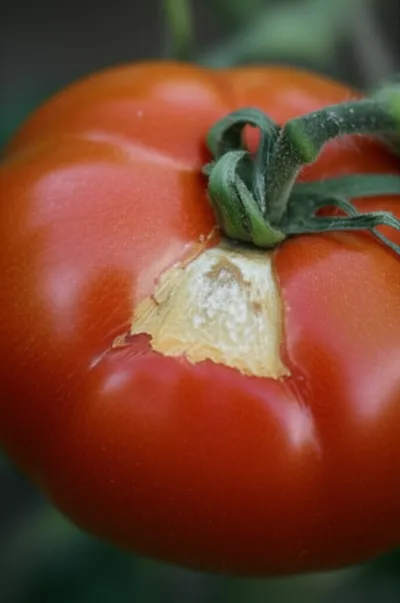
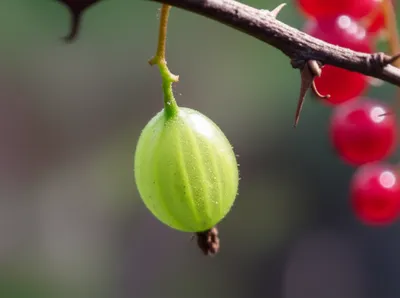
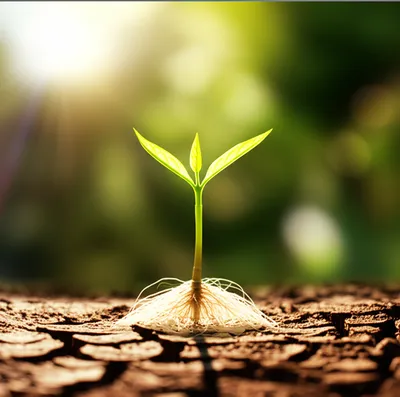
noun ダウンロード 🔗共有 日焼け, 日光による火傷 A burn on the tissue of crop plants or their fruits (especially if they are rich in water like tomatoes, grapes, apples, gooseberries) caused by excess exposure to the sun's rays. Examples : "The farmer worried about sunburns damaging his tomato crop during the heatwave. " 農家は、熱波の中で日焼けがトマトの作物を傷つけるのではないかと心配した。 agriculture plant fruit weather biology environment condition AIとチャット語彙ゲーム読解練習
verb ダウンロード 🔗共有 日焼けする To receive a sunburn. Examples : "She sunburned easily, so she wore a long-sleeved shirt to school today. " 彼女は日焼けしやすいので、今日は学校に長袖のシャツを着て行きました。 medicine body physiology appearance condition sensation AIとチャット語彙ゲーム読解練習
verb ダウンロード 🔗共有 日焼けする To burn or tan (someone's skin) by the sun; to allow (a part of one's body) to become sunburnt. Examples : "Spending all day at the beach sunburns your skin if you forget to wear sunscreen. " 日焼け止めを塗り忘れると、一日中ビーチで過ごすと肌が日焼けします。 medicine body physiology appearance weather AIとチャット語彙ゲーム読解練習