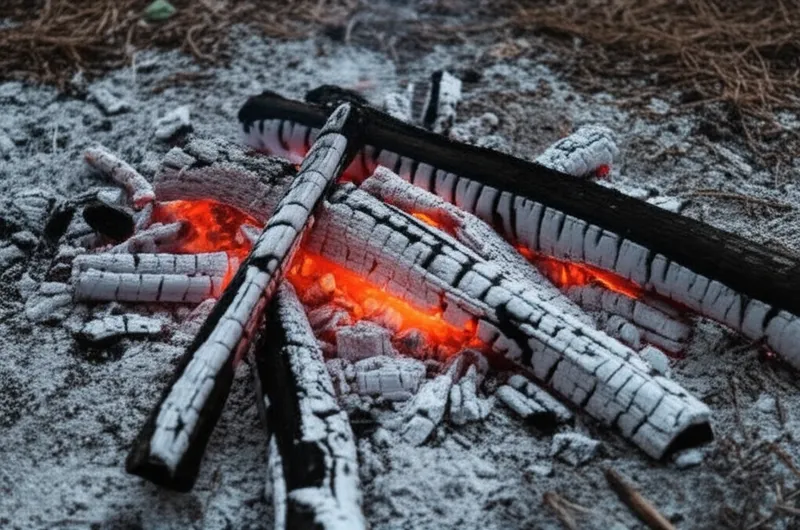

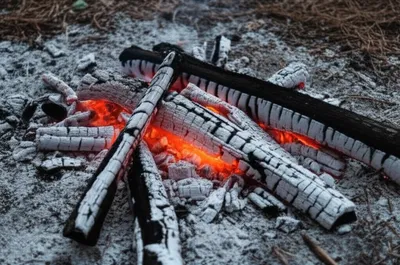
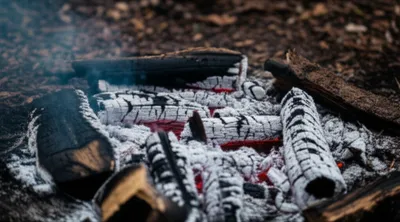
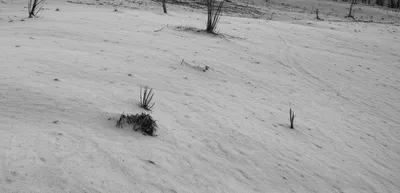

noun🔗Share재The solid remains of a fire."After the campfire burned out, we kicked the ashes to make sure no embers were still hot. "캠프파이어가 다 타버린 후, 우리는 재를 걷어차서 불씨가 아직 뜨겁지 않은지 확인했다.materialsubstancedisasterenvironmentChat with AIVocabulary GamePractice Reading
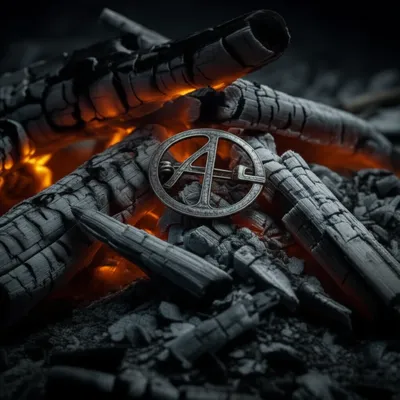
noun🔗Share재The nonaqueous remains of a material subjected to any complete oxidation process."After the campfire burned all night, only ashes remained. "캠프파이어가 밤새도록 타오른 후, 재만 남았다.materialsubstancechemistryoutcomedisasterChat with AIVocabulary GamePractice Reading
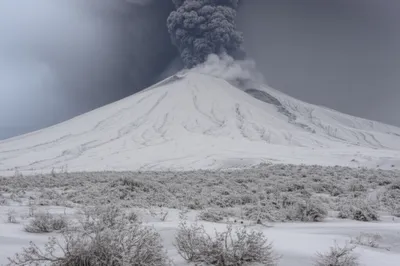
noun🔗Share재Fine particles from a volcano, volcanic ash."After the volcano erupted, a thin layer of ashes covered the nearby town. "화산이 폭발한 후, 얇은 재 층이 근처 마을을 덮었습니다.geologyenvironmentdisastermaterialChat with AIVocabulary GamePractice Reading
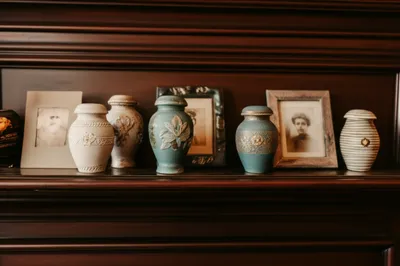
noun🔗Share유골(in the plural) Human (or animal) remains after cremation."The urn containing his ashes was eventually removed to a closet."그의 유골이 담긴 단지는 결국 벽장으로 옮겨졌다.bodyritualreligionhumanmaterialChat with AIVocabulary GamePractice Reading
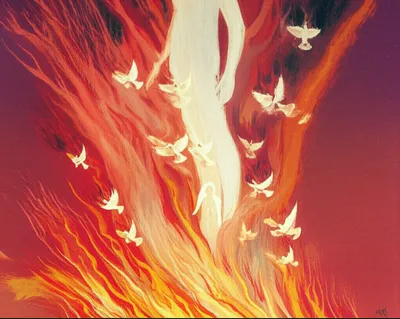
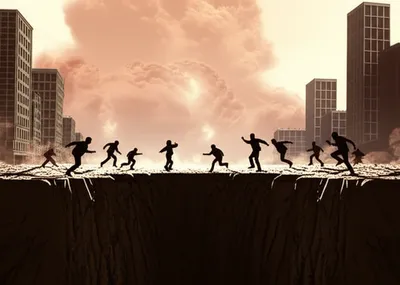
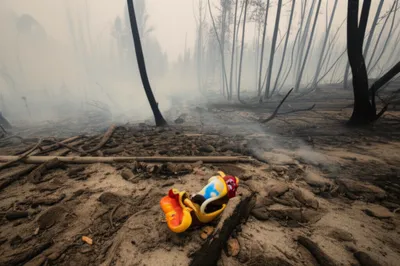
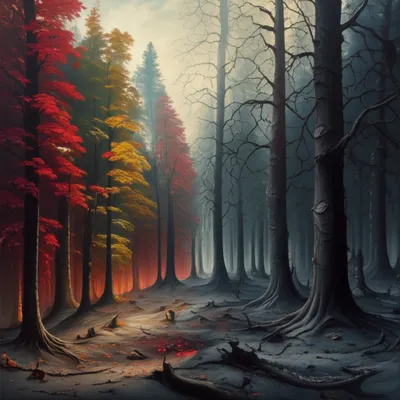
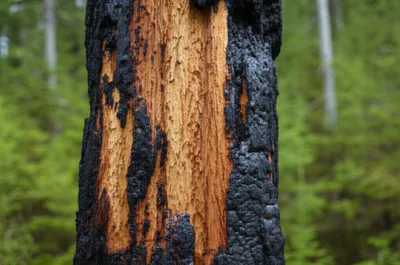
noun🔗Share재, 유해What remains after a catastrophe."After the wildfire, only ashes remained of the forest. "산불 후, 숲에는 재만 남았다.disasteroutcomesubstanceChat with AIVocabulary GamePractice Reading
noun🔗Share재색A gray colour, like that of ash."The cat's fur was the color of ashes, a soft, muted gray. "고양이 털은 재색이었고, 부드럽고 차분한 회색이었다.colorChat with AIVocabulary GamePractice Reading
verb🔗Share재로 만들다To reduce to a residue of ash. See ashing."The controlled burn ashes the remaining brush after the logging operation. "통제된 연소는 벌목 작업 후 남은 덤불을 재로 만든다.materialsubstanceprocessdisasterChat with AIVocabulary GamePractice Reading
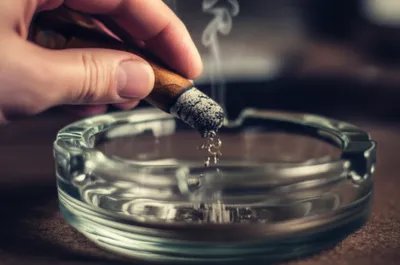
verb🔗Share재를 털다To hit the end off of a burning cigar or cigarette."He carefully ashed his cigar into the ashtray after taking a long puff. "그는 긴 담배를 피운 후 재떨이에 조심스럽게 시가의 재를 털었다.actionutensilChat with AIVocabulary GamePractice Reading
verb🔗Share재를 털다To hit the end off (a burning cigar or cigarette)."He carefully ashed his cigar into the ashtray after each puff. "그는 한 모금 빨 때마다 재떨이에 조심스럽게 시가의 재를 털었다.actionhumanChat with AIVocabulary GamePractice Reading
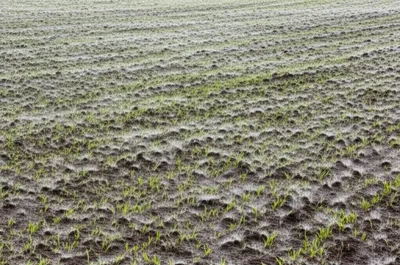
verb🔗Share재로 덮다(mostly used in the passive) To cover newly-sown fields of crops with ashes."The farmer ashed the field after planting the wheat seeds to help protect them. "농부는 밀 씨앗을 심은 후 씨앗을 보호하기 위해 밭에 재를 뿌렸다.agricultureenvironmentChat with AIVocabulary GamePractice Reading
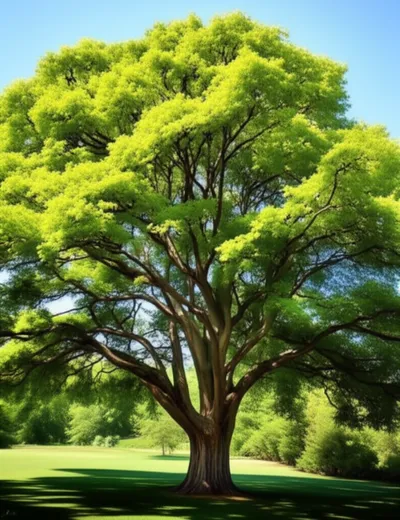
noun🔗Share물푸레나무A shade tree of the genus Fraxinus."The ash trees are dying off due to emerald ash borer."물푸레나무는 에메랄드 재나무좀 때문에 죽어가고 있다.plantnatureChat with AIVocabulary GamePractice Reading
noun🔗Share재The wood of this tree.""The baseball bat, made from ashes, felt strong and light in my hands." "재로 만든 야구 방망이는 내 손에서 튼튼하고 가볍게 느껴졌다.plantmaterialChat with AIVocabulary GamePractice Reading
noun🔗Share애쉬The traditional name for the ae ligature (æ), as used in Old English."In his Old English class, Michael learned that the letter "æ," often called "ashes," represents a sound between "a" and "e." "마이클은 그의 옛 영어 수업에서 "æ"라는 글자가, 종종 "애쉬"라고 불리며, "a"와 "e" 사이의 소리를 나타낸다는 것을 배웠다.languagelinguisticsphoneticswordChat with AIVocabulary GamePractice Reading