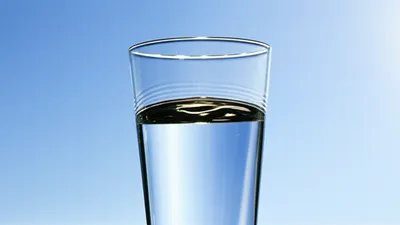

noun🔗Share잔여물, 찌꺼기Whatever remains after something else has been removed."After washing the dishes, a small residue of food clung to the plate. "접시를 씻고 난 후, 음식의 작은 잔여물이 접시에 달라붙었다.substancematerialchemistryprocessChat with AIVocabulary GamePractice Reading
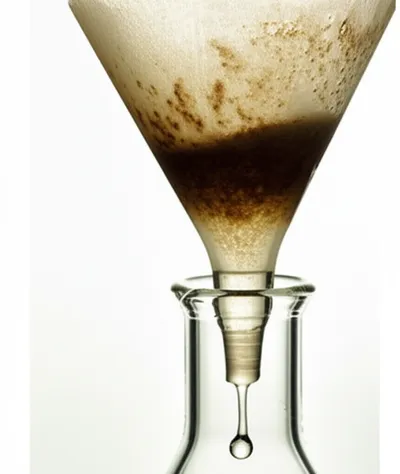
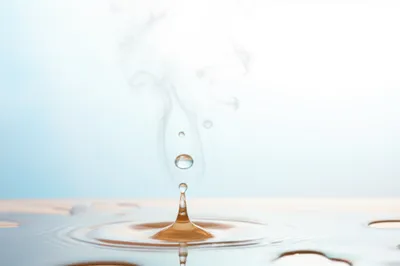
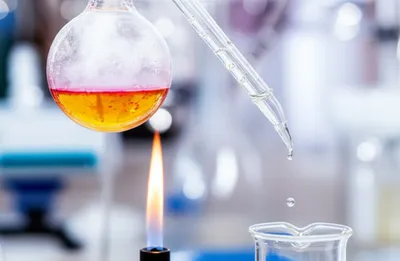
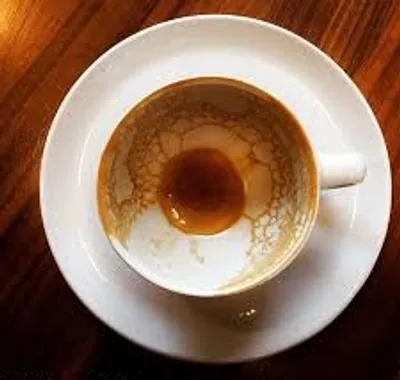
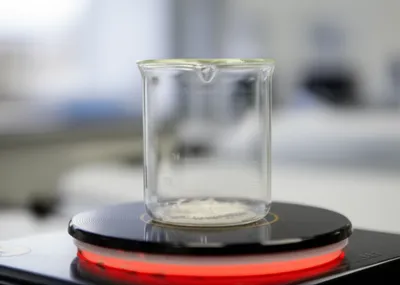
noun🔗Share잔여물, 찌꺼기The substance that remains after evaporation, distillation, filtration or any similar process."After the coffee evaporated from the cup, a dark brown residue remained at the bottom. "커피가 컵에서 증발한 후, 컵 바닥에는 짙은 갈색 잔여물이 남았다.substancechemistrymaterialscienceprocessChat with AIVocabulary GamePractice Reading
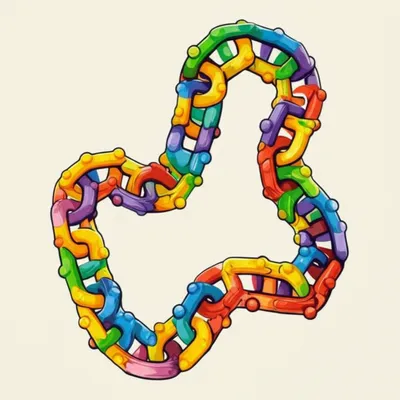
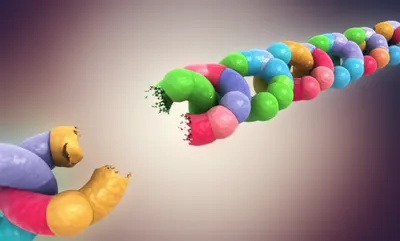
noun🔗Share잔기A molecule that is released from a polymer after bonds between neighbouring monomers are broken, such as an amino acid in a polypeptide chain."During digestion, enzymes break down the protein in our food, leaving amino acid residues that the body can then absorb and use. "소화 과정에서 효소는 음식의 단백질을 분해하여 신체가 흡수하고 사용할 수 있는 아미노산 잔기를 남깁니다.biochemistrybiologychemistrycompoundChat with AIVocabulary GamePractice Reading
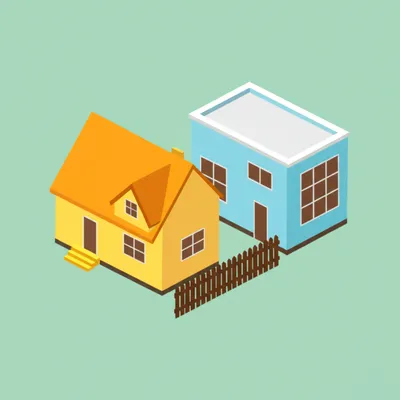
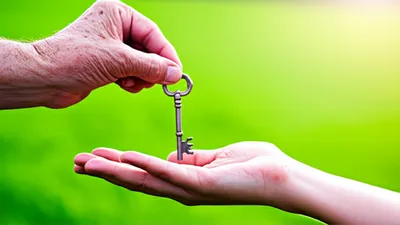
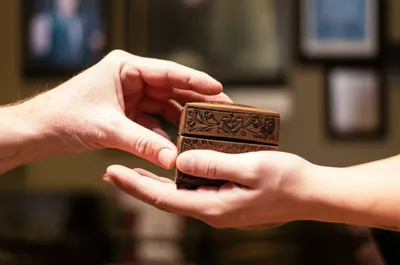
noun🔗Share잔여 재산, 잔여물Whatever property or effects are left in an estate after payment of all debts, other charges and deduction of what is specifically bequeathed by the testator."After paying off the mortgage and all other debts, the residue of the inheritance went to the children. "모기지와 다른 모든 부채를 청산한 후, 상속의 잔여 재산은 자녀들에게 돌아갔다.propertyfinancelawChat with AIVocabulary GamePractice Reading
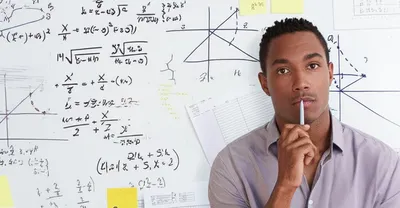
noun🔗Share잔류물A form of complex number, proportional to the contour integral of a meromorphic function along a path enclosing one of its singularities."Calculating the residue at a pole is a key step in evaluating complex integrals. "극에서의 잔류물을 계산하는 것은 복소 적분을 평가하는 데 중요한 단계입니다.mathphysicsChat with AIVocabulary GamePractice Reading