
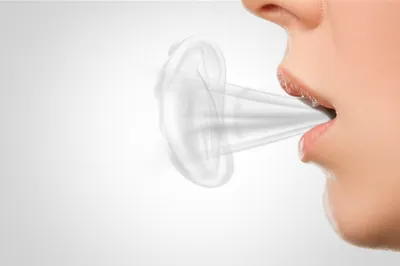






noun🔗Share유기음, 숨소리The puff of air accompanying the release of a plosive consonant."You can feel the aspirate when you pronounce the "p" in "pot" by holding your hand in front of your mouth. "입 앞에 손을 대고 "pot"의 "p"를 발음할 때 유기음을 느낄 수 있습니다.phoneticslanguagelinguisticsChat with AIVocabulary GamePractice Reading
noun🔗Share유기음A sound produced by such a puff of air."You could hear a distinct aspirate following the "p" in her pronunciation of "pot," making it sound more emphatic. "그녀가 "pot"을 발음할 때 "p" 다음에 뚜렷한 유기음이 들려 더 강조하는 것처럼 들렸다.phoneticslanguagesoundChat with AIVocabulary GamePractice Reading
noun🔗Share기식음 부호A mark of aspiration (#) used in Greek; the asper, or rough breathing."The student carefully copied the Greek phrase, noting the aspirate (#) above the letter. "학생은 글자 위에 있는 기식음 부호(#)를 주목하며 그리스 구절을 조심스럽게 베꼈다.grammarlanguagelinguisticsphoneticswordChat with AIVocabulary GamePractice Reading
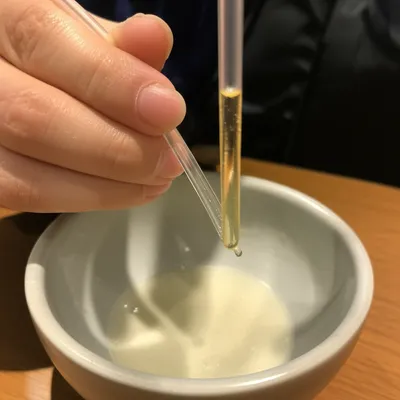
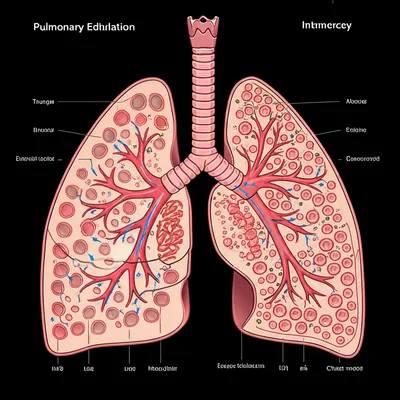
verb🔗Share흡인하다To remove a liquid or gas by means of suction."The nurse aspirated the excess fluid from the patient's lungs. "간호사는 환자의 폐에서 과도한 체액을 흡인했다.medicinephysiologybodyChat with AIVocabulary GamePractice Reading
verb🔗Share흡입하다To inhale so as to draw something other than air into one's lungs."The toddler choked and started to aspirate his milk when he laughed while drinking. "아기는 웃으면서 우유를 마시다가 사레가 들려 우유를 흡입하기 시작했다.medicinephysiologybodyChat with AIVocabulary GamePractice Reading
verb🔗Share숨을 내쉬다To produce an audible puff of breath. especially following a consonant."When pronouncing the word "pin," be sure to aspirate the "p" sound, creating a small puff of air. "단어 "pin"을 발음할 때, 작은 공기 덩어리를 만들면서 "p" 소리에 숨을 내쉬도록 하세요.phoneticslanguagephysiologyChat with AIVocabulary GamePractice Reading
adjective🔗Share유기음의Aspirated"The "p" in "pot" is aspirated, unlike the "p" in "spot." "pot의 "p"는 spot의 "p"와 달리 유기음이다.phoneticslanguagelinguisticsChat with AIVocabulary GamePractice Reading