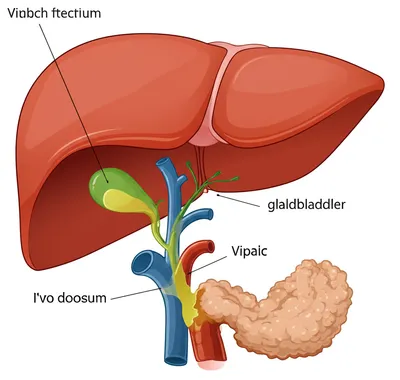
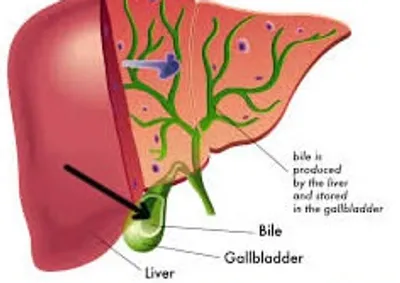
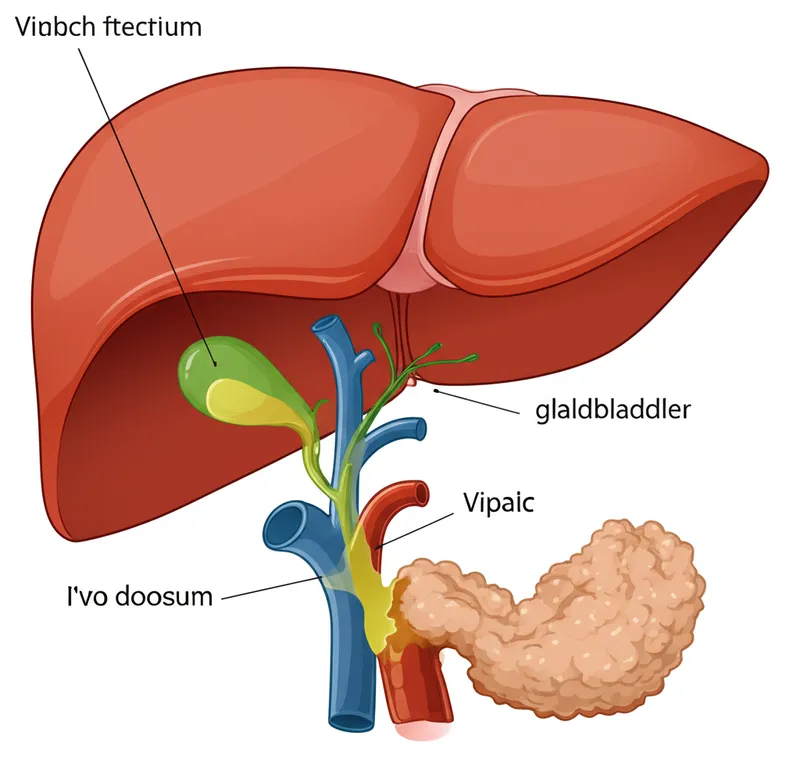
noun 다운로드 🔗공유 담즙 A bitter brownish-yellow or greenish-yellow secretion produced by the liver, stored in the gall bladder, and discharged into the duodenum where it aids the process of digestion. Examples : "After eating a fatty meal, the doctor explained that Sarah's body needed more bile to help digest the food properly. " 기름진 식사를 한 후, 의사는 사라의 몸이 음식을 제대로 소화하는 데 도움이 되도록 더 많은 담즙이 필요하다고 설명했습니다. medicine physiology anatomy biochemistry biology substance body organ AI와 채팅어휘 게임독해 연습
noun 다운로드 🔗공유 분노, 짜증 Bitterness of temper; ill humour; irascibility. Examples : "His bile was evident in the harsh tone of his comments to his coworkers. " 그의 분노는 동료들에게 한 그의 거친 발언에서 드러났다. character mind attitude emotion AI와 채팅어휘 게임독해 연습
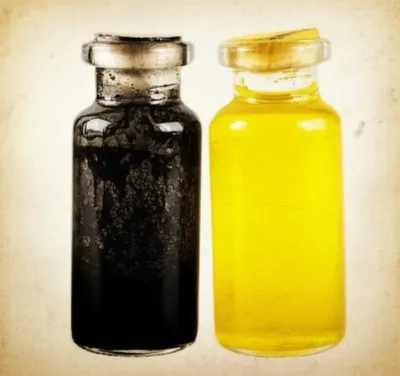
noun 다운로드 🔗공유 담즙 Two of the four humours, black bile or yellow bile, in ancient and medieval physiology. Examples : "Ancient medical texts described yellow bile as one of the four humours, believed to affect a person's temperament. " 고대 의학 서적은 황담즙을 네 가지 체액 중 하나로 묘사했으며, 이는 사람의 기질에 영향을 미치는 것으로 여겨졌다. physiology medicine body AI와 채팅어휘 게임독해 연습
noun 다운로드 🔗공유 종기, 부스럼 A boil (kind of swelling). Examples : "The doctor examined the child's arm and diagnosed the painful swelling as a bile. " 의사는 아이의 팔을 진찰하고 고통스러운 부기를 종기로 진단했다. medicine disease body AI와 채팅어휘 게임독해 연습
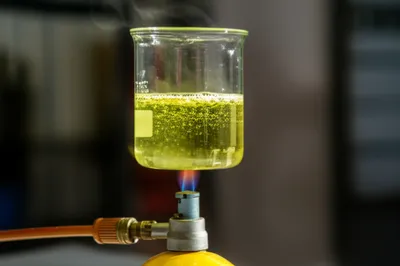
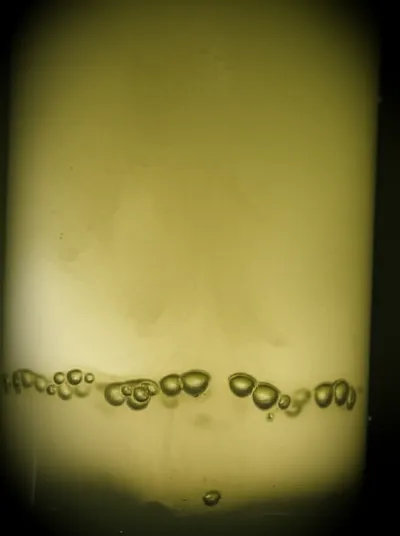
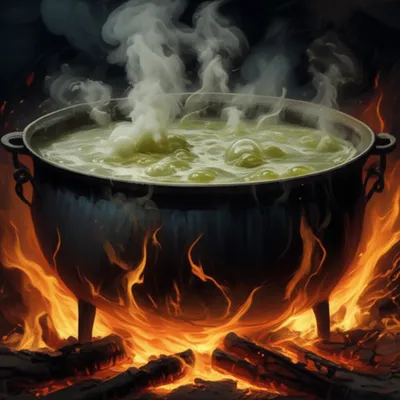
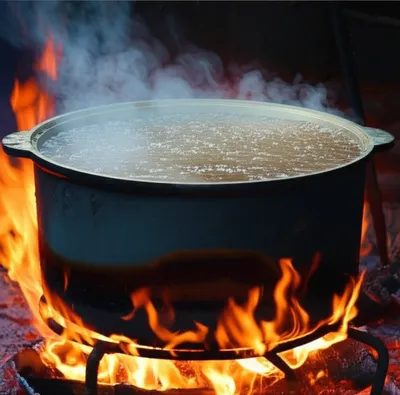
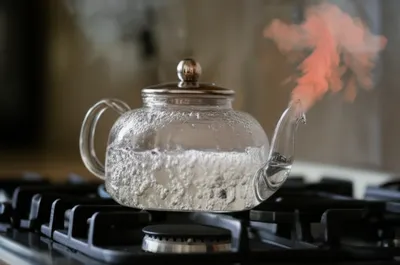
verb 다운로드 🔗공유 끓이다 (of liquids) To heat to the point where it begins to turn into a gas. Examples : "Boil some water in a pan." 냄비에 물을 끓이세요. physics chemistry energy process AI와 채팅어휘 게임독해 연습
verb 다운로드 🔗공유 삶다 To cook in boiling water. Examples : "Boil the eggs for three minutes." 계란을 3분 동안 삶으세요. food utensil AI와 채팅어휘 게임독해 연습
verb 다운로드 🔗공유 끓어오르다, 부글거리다 (of liquids) To begin to turn into a gas, seethe. Examples : "Pure water boils at 100 degrees Celsius." 순수한 물은 섭씨 100도에서 끓어오른다. chemistry physics substance AI와 채팅어휘 게임독해 연습
verb 다운로드 🔗공유 끓이다 To bring to a boil, to heat so as to cause the contents to boil. Examples : "The chef bile the soup until it reached a rolling boil. " 요리사는 수프가 끓어오를 때까지 끓였다. food utensil action AI와 채팅어휘 게임독해 연습
verb 다운로드 🔗공유 찌는 듯하다 (used only in progressive tenses, of weather) To be uncomfortably hot. Examples : "It’s boiling outside!" 밖이 찌는 듯해! weather AI와 채팅어휘 게임독해 연습
verb 다운로드 🔗공유 화가 나다 (used only in progressive tenses) To feel uncomfortably hot. Examples : "I’m boiling in here – could you open the window?" 여기 너무 더워요 – 창문 좀 열어주시겠어요? sensation body AI와 채팅어휘 게임독해 연습
verb 다운로드 🔗공유 끓이다, 증발시키다 To form, or separate, by boiling or evaporation. Examples : "to boil sugar or salt" 설탕이나 소금을 끓이다. chemistry process substance AI와 채팅어휘 게임독해 연습
verb 다운로드 🔗공유 담그다, 적시다 To steep or soak in warm water. Examples : "To help the dried herbs release their aroma and medicinal properties, she had to bile them in warm water before making the tea. " 말린 허브가 향과 약효를 발휘하도록 돕기 위해, 그녀는 차를 만들기 전에 따뜻한 물에 담가야 했다. process food AI와 채팅어휘 게임독해 연습
verb 다운로드 🔗공유 끓어오르다, 부글거리다 To be agitated like boiling water; to bubble; to effervesce. Examples : "the boiling waves of the sea" 끓어오르는 바다의 파도. physiology body AI와 채팅어휘 게임독해 연습
verb 다운로드 🔗공유 격분하다, 흥분하다 To be moved or excited with passion; to be hot or fervid. Examples : "His blood boils with anger." 그는 분노로 피가 끓어올랐다. emotion mind sensation AI와 채팅어휘 게임독해 연습