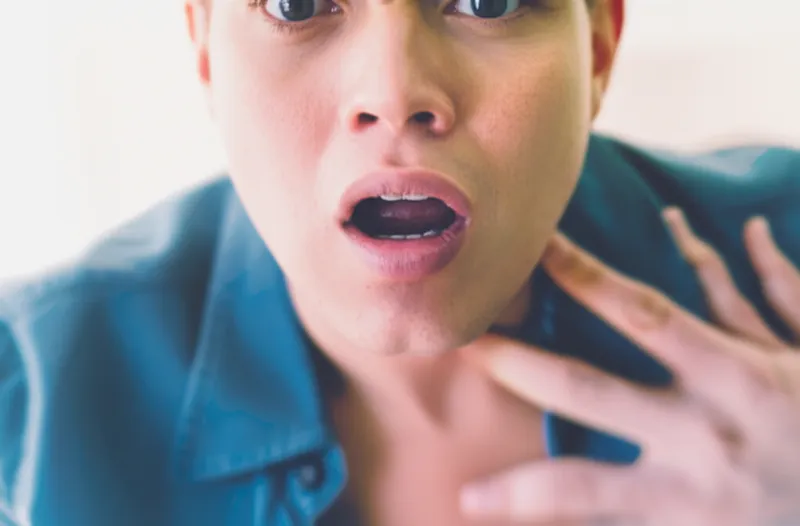

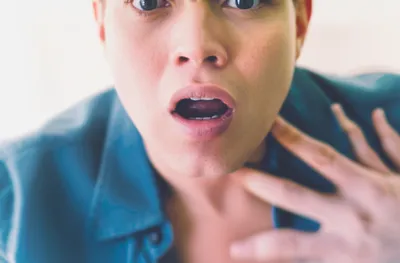



adjective🔗Share숨이 가쁜, 헐떡이는Having difficulty breathing; gasping."The child was breathless after running up the stairs to see his mother. "아이는 엄마를 보려고 계단을 뛰어 올라간 후 숨이 가빴다.bodyphysiologymedicinesensationChat with AIVocabulary GamePractice Reading
adjective🔗Share숨 막히는, 아슬아슬한That makes one hold one's breath (with excitement etc.)."The magician's final trick was breathtaking and left the audience breathless with anticipation. "마술사의 마지막 트릭은 숨 막힐 정도로 아슬아슬했고 관객들은 기대감에 숨을 헐떡였다.sensationbodyemotionChat with AIVocabulary GamePractice Reading
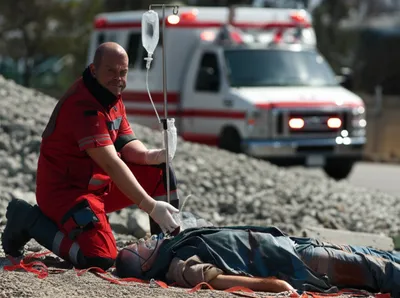
adjective🔗Share숨이 가쁜, 숨찬Not breathing; dead or apparently so."The paramedics found the accident victim breathless, and immediately began CPR. "구급대원들은 사고 피해자가 숨이 가쁜 것을 발견하고 즉시 심폐소생술을 시작했다.physiologymedicinebodyChat with AIVocabulary GamePractice Reading
adjective🔗Share숨이 가쁜, 숨찬Having no wind; still, calm or airless."The desert air was breathless, making it difficult to breathe deeply. "사막의 공기는 숨이 가빠서 깊게 숨쉬기가 어려웠다.weathernatureenvironmentconditionChat with AIVocabulary GamePractice Reading
adjective🔗Share숨 가쁜, 헐떡이는Having a somewhat hysterical tone, using over-emotive language.""Her voice was breathless as she described the surprise party, exaggerating every detail with wide eyes and excited gasps." "그녀는 놀라운 파티를 묘사하면서 눈을 크게 뜨고 흥분한 숨소리를 내며 모든 세부 사항을 과장하여 숨 가쁘게 말했다.languagecommunicationstyleemotionwritingChat with AIVocabulary GamePractice Reading