
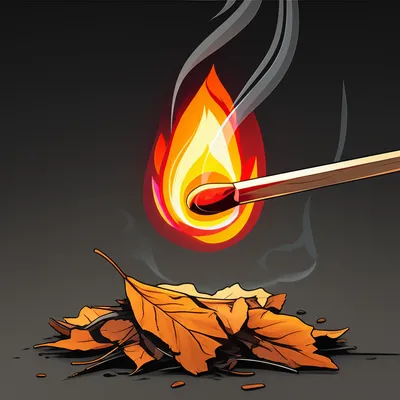


noun🔗Share연소물That which undergoes burning."The dry leaves were the perfect combust for the bonfire. "마른 잎은 모닥불에 완벽한 연소물이었다.fuelmaterialsubstanceenergychemistryscienceChat with AIVocabulary GamePractice Reading
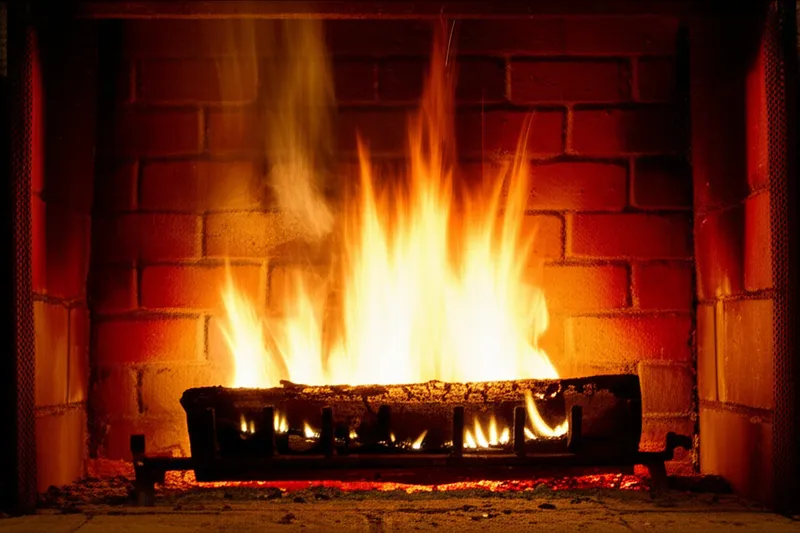
verb🔗Share타다, 불이 붙다To burn; to catch fire."The dry leaves in the backyard might combust if they get too hot in the sun. "뒷마당의 마른 잎은 햇볕에 너무 뜨거워지면 불이 붙을 수 있습니다.energychemistryphysicsdisasterChat with AIVocabulary GamePractice Reading
verb🔗Share흥분하다, 폭발하다To erupt with enthusiasm or boisterousness."When the band started playing their favorite song, the crowd seemed to spontaneously combust with excitement, jumping and cheering. "밴드가 가장 좋아하는 노래를 연주하기 시작하자, 군중들은 흥분으로 폭발하는 듯이 보였고, 뛰고 환호했다.emotioncharacterattitudemindhumanChat with AIVocabulary GamePractice Reading
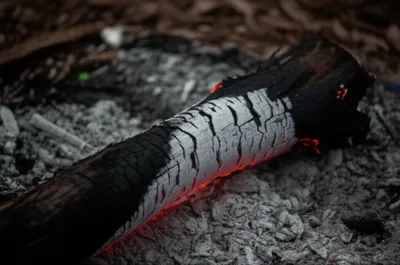
adjective🔗Share탄Burnt."The combust remains of the campfire were still hot in the morning. "캠프파이어의 탄 잔해는 아침에도 여전히 뜨거웠다.energyphysicschemistryfuelChat with AIVocabulary GamePractice Reading
adjective🔗Share태양과 합(合)하는In close conjunction with the sun (so that its astrological influence is "burnt up"), sometimes specified to be within 8 degrees 30'."The combust astrological aspect suggests a strong, intense relationship between the sun and the child's Mercury, within 8 degrees 30'. "태양과 합하는 점성학적 측면은 태양과 아이의 수성 사이의 강하고 강렬한 관계를 8도 30분 이내에서 보여줍니다.astrologyastronomyChat with AIVocabulary GamePractice Reading