




adjective🔗Share상호적인, 공동의Mutual; shared by more than one."The two competitors have the common aim of winning the championship."두 경쟁자는 챔피언십에서 우승하는 공동의 목표를 가지고 있습니다.groupsocietyChat with AIVocabulary GamePractice Reading
adjective🔗Share흔한, 일반적인Occurring or happening regularly or frequently; usual."It is common to find sharks off this coast."이 해안에서 상어를 발견하는 것은 흔한 일입니다.frequencyconditionnatureChat with AIVocabulary GamePractice Reading
adjective🔗Share흔한, 일반적인Found in large numbers or in a large quantity; usual."It differs from the common blackbird in the size of its beak."그것은 부리의 크기에서 흔한 검은새와 다르다.qualityfrequencynatureconditiontypeChat with AIVocabulary GamePractice Reading
adjective🔗Share평범한, 흔한, 저속한Simple, ordinary or vulgar."While "commoner" is a noun, its adjective form is "common." Here's a sentence using it correctly: "He dismissed my suggestions as common sense, implying they were too obvious or unoriginal to be valuable." "비록 "commoner"가 명사이지만, 형용사 형태는 "common"입니다. 다음은 그것을 올바르게 사용하는 문장입니다. 그는 내 제안을 너무 뻔하거나 독창적이지 않아서 가치가 없다는 것을 암시하며, 평범한 상식으로 일축했습니다.societyculturestyleroyalcharacterChat with AIVocabulary GamePractice Reading
adjective🔗Share공통의, 일반적인(grammar) In some languages, particularly Germanic languages, of the gender originating from the coalescence of the masculine and feminine categories of nouns."While not directly observable in modern English, the neuter gender in Old English can be seen as a commoner gender, having absorbed many nouns that were originally masculine or feminine. "현대 영어에서는 직접 관찰할 수 없지만, 고대 영어의 중성은 원래 남성 또는 여성 명사였던 많은 명사를 흡수한 공통적인 성별로 볼 수 있습니다.grammarlanguagelinguisticsChat with AIVocabulary GamePractice Reading
adjective🔗Share보통의(grammar) Of or pertaining to common nouns as opposed to proper nouns."The textbook's chapter on animals used commoner nouns like "dog" and "cat" instead of proper nouns like "Lassie" or "Whiskers." "교과서의 동물에 대한 장에서는 "래시"나 "위스커스"와 같은 고유 명사 대신 "개"와 "고양이"와 같은 보통 명사를 사용했습니다.grammarlinguisticslanguageChat with AIVocabulary GamePractice Reading
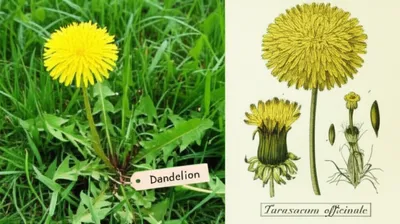
adjective🔗Share방언의, 통속적인Vernacular, referring to the name of a kind of plant or animal, i.e., common name vs. scientific name."The commoner name for the plant is "wildflower," while the scientific name is Viola tricolor. "이 식물의 방언 이름은 "야생화"이고, 학명은 비올라 트리컬러입니다.languagebiologynatureChat with AIVocabulary GamePractice Reading
adjective🔗Share불경스러운, 더러운Profane; polluted."The construction site became commoner after the chemical spill. "화학 물질 유출 사고 후 건설 현장이 더러워졌다.religionmoralChat with AIVocabulary GamePractice Reading
adjective🔗Share음탕한, 난잡한Given to lewd habits; prostitute.sexhumanmoralsocietyChat with AIVocabulary GamePractice Reading
noun🔗Share평민, 서민A member of the common people who holds no title or rank."The baker, a commoner with flour dusting his apron, smiled warmly at the visiting Duchess. "밀가루가 앞치마에 묻은 평민인 제빵사는 방문한 공작부인에게 따뜻하게 미소를 지었다.personsocietyhistoryChat with AIVocabulary GamePractice Reading
noun🔗Share평민, 서민Someone who is not of noble rank."The king waved to the crowd, a mix of nobles in fancy clothes and commoners in simple ones. "왕은 화려한 옷을 입은 귀족과 수수한 옷을 입은 평민이 섞인 군중에게 손을 흔들었다.royalpersonsocietyhistoryChat with AIVocabulary GamePractice Reading
noun🔗Share장학금 없는 학부생(Oxbridge slang) An undergraduate who does not hold either a scholarship or an exhibition."At Oxford, Tom was a commoner, meaning he had to pay full tuition unlike his scholarship-winning friends. "옥스퍼드에서 톰은 장학금이 없는 학부생이었는데, 이는 장학금을 받은 친구들과 달리 그는 등록금을 전액 지불해야 함을 의미했다.educationpersonlanguagesocietyChat with AIVocabulary GamePractice Reading
noun🔗Share장학금 없이 학비를 내는 학생(Oxford University) A student who is not dependent on any foundation for support, but pays all university charges; at Cambridge called a pensioner.""Unlike the scholars on scholarship, John was a commoner at Oxford, paying his tuition and board himself." "장학금을 받는 학생들과 달리, 존은 옥스퍼드에서 학비와 기숙사비를 스스로 지불하는 학생이었다.educationpersonhistoryChat with AIVocabulary GamePractice Reading
noun🔗Share평민, 일반인Someone holding common rights because of residence or land ownership in a particular manor, especially rights on common land."As a commoner, John had the right to graze his sheep on the village's common land, a privilege passed down through generations of his family who lived in the manor. "평민인 존은 마을의 공유지에서 양을 방목할 권리가 있었는데, 이는 저택에 살았던 그의 가족 대대로 내려온 특권이었다.propertyrighthistorysocietyChat with AIVocabulary GamePractice Reading
noun🔗Share평민, 일반인One sharing with another in anything."The students, both the commoner and the scholarship recipient, shared a common desire to succeed in their studies. "학생들은 평민과 장학생 모두 학업에서 성공하려는 공통된 열망을 공유했다.personsocietypoliticsChat with AIVocabulary GamePractice Reading