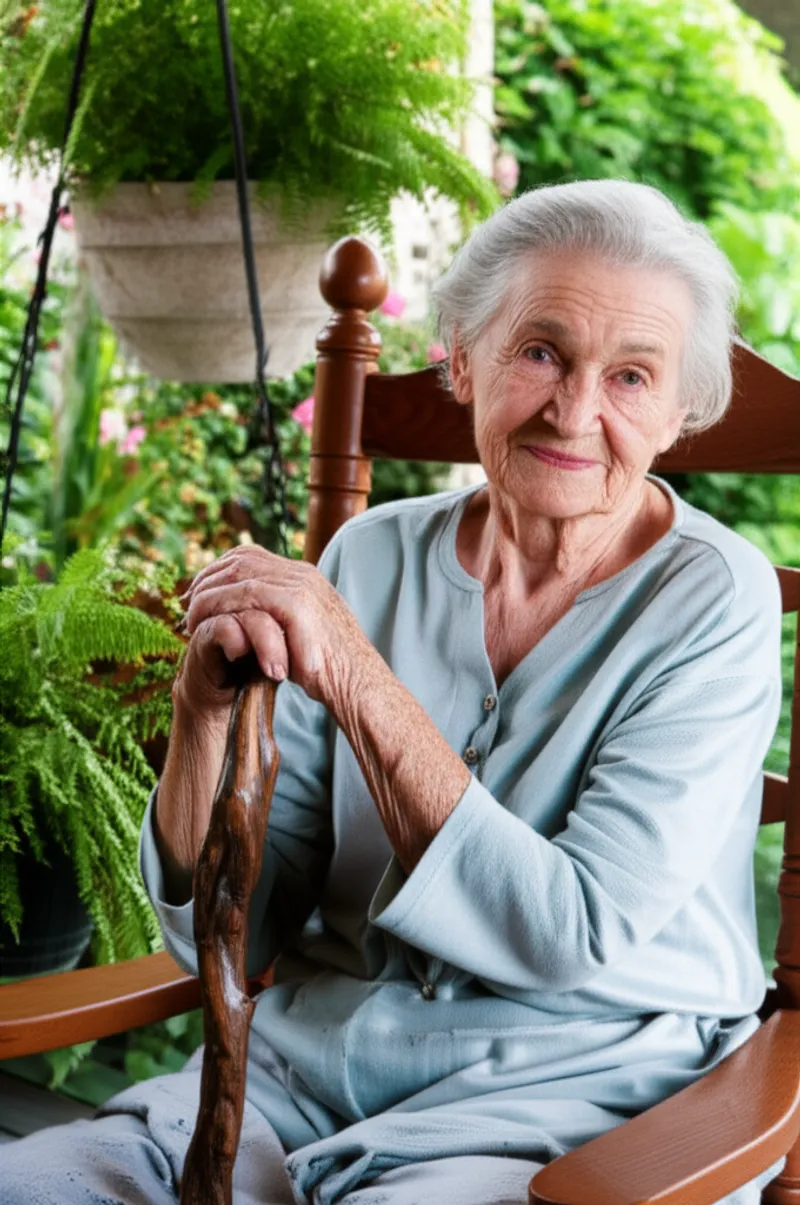
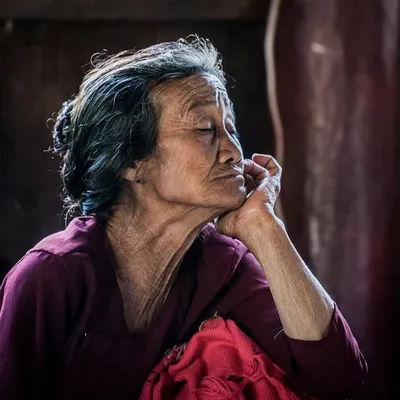
noun🔗Share노파, 할머니An old woman."The crone sat on the park bench, feeding the pigeons with crumbs from her bread. "노파는 공원 벤치에 앉아 빵 부스러기로 비둘기에게 먹이를 주고 있었다.agebodypersonhumanChat with AIVocabulary GamePractice Reading
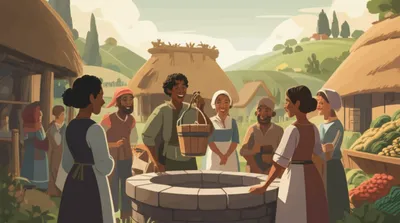
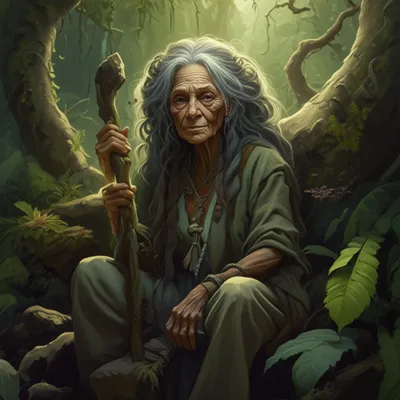
noun🔗Share현명한 여자, 노파An archetypal figure, a Wise Woman."Even in her advanced years, Old Maggie was no senile hag; rather, the villagers sought her out as a crone, renowned for her wisdom and understanding of the old ways. "나이가 들어서도 늙은 매기는 정신이 온전치 못한 노파가 아니었다. 오히려 마을 사람들은 그녀를 현명한 여자로 찾았고, 그녀는 지혜와 옛 방식에 대한 이해로 명성이 높았다.agemythologyliteraturepersoncharacterculturefigureChat with AIVocabulary GamePractice Reading
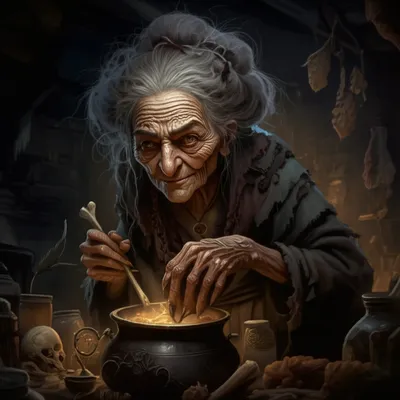
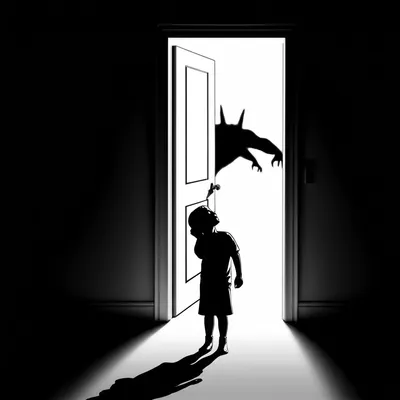
noun🔗Share늙은 마녀, 고약한 할머니An ugly, evil-looking, or frightening old woman; a hag."The children ran away, scared by the crone's sharp, hooked nose and cackling laugh. "아이들은 늙은 마녀의 날카롭고 갈고리 같은 코와 낄낄거리는 웃음소리에 겁을 먹고 도망갔다.ageappearancepersoncharactermythologyliteraturesupernaturalChat with AIVocabulary GamePractice Reading
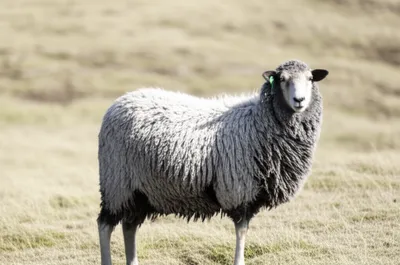
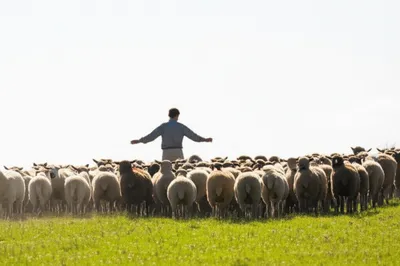
noun🔗Share늙은 암양An old ewe."The shepherd pointed to the far side of the field and said, "That crone hasn't had a lamb in years, but she still enjoys grazing with the flock." "목동은 들판의 반대편을 가리키며 말했습니다. "저 늙은 암양은 몇 년 동안 새끼를 낳지 않았지만, 아직도 양떼와 함께 풀을 뜯는 것을 즐겨한다."animalageChat with AIVocabulary GamePractice Reading
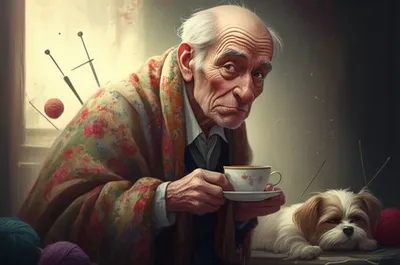
noun🔗Share늙은 남자An old man, especially one who talks and acts like an old woman."The old crone at the school gate, despite his advanced age, often complained loudly about the new rules. "학교 정문 앞의 늙은 남자는, 나이가 많음에도 불구하고, 새로운 규칙에 대해 종종 큰 소리로 불평했다.agepersonappearancehumancharacterChat with AIVocabulary GamePractice Reading