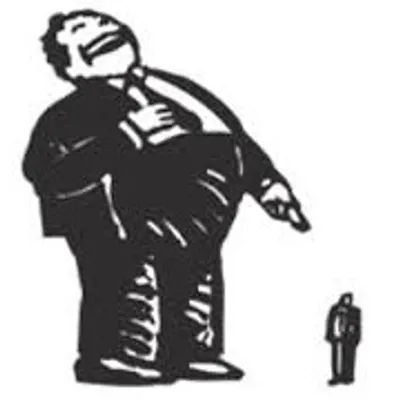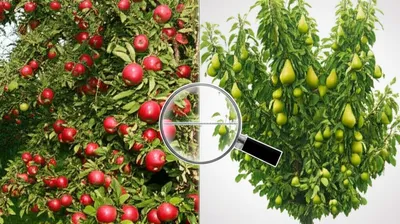

verb🔗Share폄하하다, 비하하다To match unequally; to degrade or dishonor."Example Sentence: "The manager was disparaging the employee's efforts, constantly comparing them negatively to others' work and making them feel unworthy." "그 매니저는 직원의 노력을 폄하하며, 끊임없이 다른 사람들의 작업과 부정적으로 비교하고, 그들이 가치 없다고 느끼게 만들었습니다.attitudecharacteractionvaluemoralChat with AIVocabulary GamePractice Reading
verb🔗Share폄하하다, 깎아내리다To dishonor by a comparison with what is inferior; to lower in rank or estimation by actions or words; to speak slightingly of; to depreciate; to undervalue."The teacher disparaged the student's project, comparing it unfavorably to the work of other students. "선생님은 학생의 프로젝트를 다른 학생들의 작품과 비교하며 폄하했다.attitudecommunicationcharacterlanguagewordsocietyvaluemoralChat with AIVocabulary GamePractice Reading
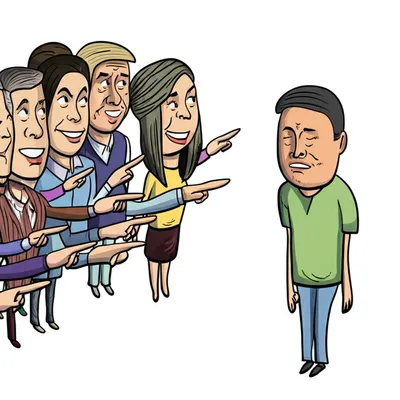
verb🔗Share조롱하다, 비웃다, 깎아내리다To ridicule, mock, discredit."The teacher disparaged Maria's project, mocking her ideas and making her feel embarrassed in front of the class. "선생님은 마리아의 프로젝트를 조롱하며 그녀의 아이디어를 비웃었고, 그녀가 반 친구들 앞에서 당황하게 만들었다.attitudecharactercommunicationlanguagemindwordChat with AIVocabulary GamePractice Reading
noun🔗Share폄하, 비하Disparagement"The teacher's disparaging comments about the student's work led to a drop in her confidence. "교사의 학생 작품에 대한 폄하적인 발언은 그녀의 자신감 하락으로 이어졌다.attitudecharactercommunicationlanguagesocietywordChat with AIVocabulary GamePractice Reading
adjective🔗Share경멸적인, 비웃는Insulting, ridiculing."The candidate made disparaging remarks about his opponent, but they only made him seem small for insulting a worthy adversary."후보는 경쟁자에 대해 경멸적인 발언을 했지만, 이는 가치 있는 상대를 모욕한 탓에 그를 작아 보이게 만들 뿐이었다.attitudecharactercommunicationlanguagesocietynegativewordChat with AIVocabulary GamePractice Reading