
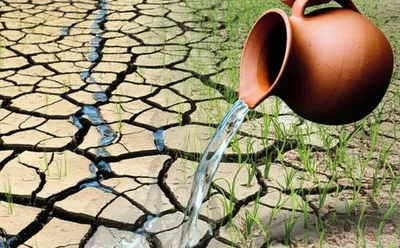




noun🔗Share채우는 사람One who fills."At the bottling plant, the workers whose job was to operate the machines making sure they kept liquids flowing were known as the fillers. "병입 공장에서 액체가 계속 흐르도록 기계를 작동시키는 것이 직업인 노동자들을 채우는 사람이라고 불렀다.personjobChat with AIVocabulary GamePractice Reading
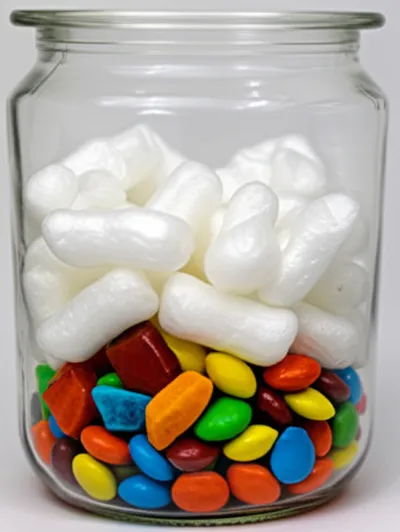
noun🔗Share충전재, 채움재Something added to fill a space or add weight or size."The artist used paper scraps and small pebbles as fillers in the sculpture to give it more volume. "그 예술가는 조각품에 더 많은 부피를 주기 위해 종이 조각과 작은 조약돌을 충전재로 사용했다.materialsubstanceChat with AIVocabulary GamePractice Reading
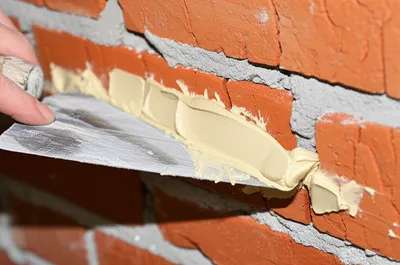
noun🔗Share충전재Any semisolid substance used to fill gaps, cracks or pores."The painter used fillers to patch the small holes in the wall before painting it. "화가는 페인트칠하기 전에 벽의 작은 구멍을 메우기 위해 충전재를 사용했다.materialsubstanceChat with AIVocabulary GamePractice Reading
noun🔗Share충전재A relatively inert ingredient added to modify physical characteristics."The manufacturer added fillers like wood pulp to the paper to make it cheaper and thicker. "제조업체는 종이를 더 저렴하고 두껍게 만들기 위해 나무 펄프와 같은 충전재를 첨가했습니다.materialsubstanceChat with AIVocabulary GamePractice Reading
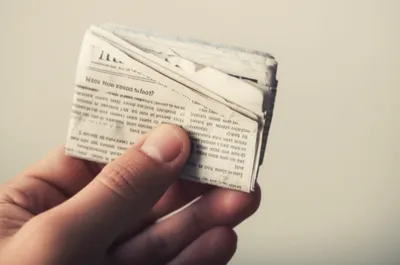
noun🔗Share채움, 단신 기사A short article in a newspaper or magazine."The newspaper used short, funny anecdotes as fillers to make the pages look less empty. "신문은 페이지가 덜 비어 보이도록 짧고 재미있는 일화를 채움으로 사용했다.mediawritingChat with AIVocabulary GamePractice Reading
noun🔗Share채움, 간주곡A short piece of music or an announcement between radio or TV programmes."The radio station played short musical fillers between news segments to keep the audience entertained. "라디오 방송국은 청취자들을 즐겁게 하기 위해 뉴스 세그먼트 사이에 짧은 음악 채움을 틀었다.mediaentertainmentmusicsoundcommunicationChat with AIVocabulary GamePractice Reading
noun🔗Share채움 단어, 군말Any spoken sound or word used to fill gaps in speech; filled pause.""The student used a lot of fillers like 'um' and 'uh' during his presentation because he was nervous." "그 학생은 발표 중에 긴장해서 '음'과 '어'와 같은 채움 단어를 많이 사용했다.languagephoneticscommunicationwordlinguisticssoundChat with AIVocabulary GamePractice Reading
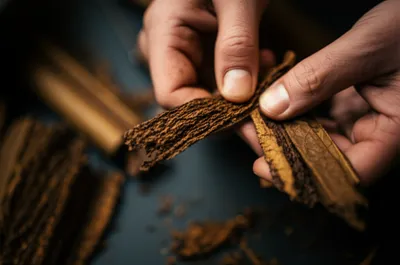
noun🔗Share시가 채우는 데 사용되는 담배Cut tobacco used to make up the body of a cigar."The cigar maker carefully chose the fillers, ensuring they would burn evenly and contribute to the cigar's overall flavor. "시가 제조업자는 시가의 전체적인 풍미에 기여하고 균등하게 타도록 시가 채우는 데 사용되는 담배를 신중하게 선택했습니다.materialsubstanceagricultureChat with AIVocabulary GamePractice Reading
noun🔗Share채움, 채우는 것In COBOL, the description of an unnamed part of a record that contains no data relevant to a given context (normally capitalised when in a data division)."In the COBOL program's data structure for student records, some unused spaces were defined as FILLERS to allow for future expansion, even though these FILLERS currently hold no student information. "COBOL 프로그램의 학생 기록 데이터 구조에서, 미래 확장을 위해 사용되지 않는 일부 공간은 현재 이러한 채움이 학생 정보를 담고 있지 않더라도 채움으로 정의되었습니다.computingtechnicaltechnologywordstructuresystemlanguageChat with AIVocabulary GamePractice Reading
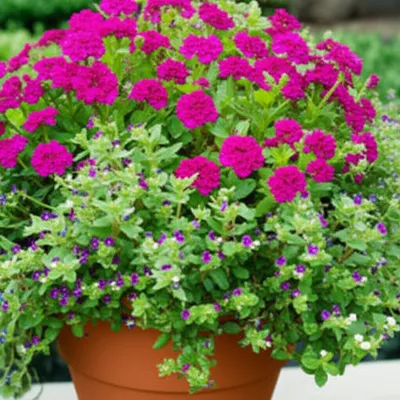
noun🔗Share채움 식물A plant that lacks a distinctive shape and can fill inconvenient spaces around other plants in pots or gardens."The gardener planted low-growing petunias as fillers to cover the bare soil between the taller roses. "정원사는 키 큰 장미 사이의 맨 땅을 덮기 위해 낮은 성장의 페튜니아를 채움 식물로 심었습니다.plantagriculturenatureChat with AIVocabulary GamePractice Reading
noun🔗Share남겨진 나무, 표준목(usually in the plural) Any standing tree or standard higher than the surrounding coppice in the form of forest known as "coppice under standards"."In the ancient woodland, the fillers, taller and older than the regularly cut coppice growth around them, provided a continuous canopy and a source of larger timber. "고대 숲에서, 주변의 정기적으로 잘린 덤불 성장보다 더 크고 오래된 남겨진 나무들은 지속적인 수관과 더 큰 목재의 원천을 제공했다.natureplantenvironmentagricultureChat with AIVocabulary GamePractice Reading