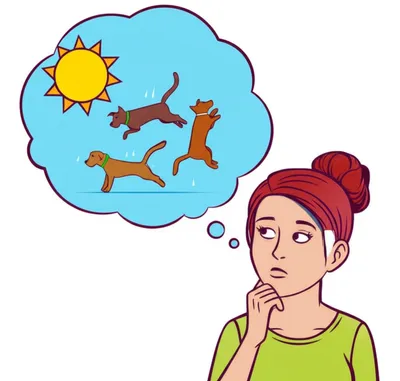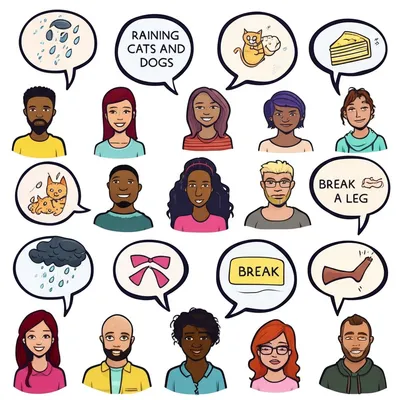


noun🔗Share관용구, 숙어A manner of speaking, a mode of expression peculiar to a language, person, or group of people."The phrase "raining cats and dogs" is an idiom that means it's raining very hard. "구절 "고양이와 개가 비처럼 쏟아진다"는 비가 아주 많이 온다는 것을 의미하는 관용구입니다.languagelinguisticsphrasewordstylecommunicationliteratureChat with AIVocabulary GamePractice Reading
noun🔗Share관용구, 방언A language or language variety; specifically, a restricted dialect used in a given historical period, context etc."The local dialect, a specific idiom of the area, is used by many older residents in their daily conversations at the market. "지역의 특정 방언인 현지 방언은 시장에서 많은 노인들이 일상적인 대화에서 사용합니다.languagelinguisticsliteraturewordcommunicationChat with AIVocabulary GamePractice Reading
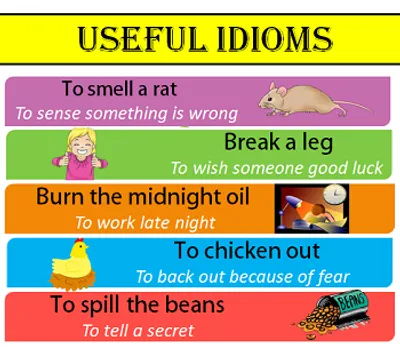
noun🔗Share관용구, 숙어An established expression whose meaning is not deducible from the literal meanings of its component words, often peculiar to a given language.""Break a leg" is an idiom; it means 'good luck' but literally means nothing about breaking a bone. ""다리를 부러뜨려"는 관용구입니다. '행운을 빈다'는 뜻이지만, 문자 그대로는 뼈가 부러지는 것과는 아무런 관련이 없습니다.languagelinguisticswordChat with AIVocabulary GamePractice Reading
noun🔗Share양식, 스타일An artistic style (for example, in art, architecture, or music); an instance of such a style."The Impressionist idiom is evident in the painting, showcasing the vibrant colors and loose brushstrokes characteristic of the style. "인상주의 양식은 그림에서 분명하게 드러나며, 이 스타일의 특징인 생생한 색상과 느슨한 붓놀림을 보여줍니다.artstyleChat with AIVocabulary GamePractice Reading
noun🔗Share프로그래밍 구문, 관용구A programming construct or phraseology that is characteristic of the language."The programming language uses the idiom of "if-then-else" statements to control the flow of the program. "프로그래밍 언어는 프로그램의 흐름을 제어하기 위해 "if-then-else" 구문을 사용합니다.computingtechnicallanguageChat with AIVocabulary GamePractice Reading