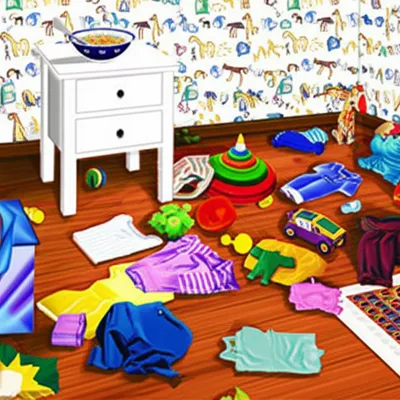
verb 다운로드 🔗공유 더럽히다, 망치다 (transitive, often used with "up") To make untidy or dirty. Examples : "The kids messed up the kitchen while making cookies. " 아이들은 쿠키를 만들면서 부엌을 더럽혔다. appearance condition action AI와 채팅어휘 게임독해 연습
verb 다운로드 🔗공유 망치다, 엉망으로 만들다 (transitive, often used with "up") To throw into disorder or to ruin. Examples : "He messed up the recipe by adding too much salt. " 그는 소금을 너무 많이 넣어서 레시피를 망쳤다. action condition AI와 채팅어휘 게임독해 연습
verb 다운로드 🔗공유 방해하다, 간섭하다 To interfere. Examples : ""My little brother messed with my homework, and now it's all crumpled." " 내 남동생이 내 숙제를 망쳐서 지금 다 구겨졌어. action AI와 채팅어휘 게임독해 연습
verb 다운로드 🔗공유 건드리다, 괴롭히다 (used with "with") To screw around with, to bother, to be annoying to. Examples : "Stop messing with me!" 나 좀 그만 괴롭혀! attitude character human action word AI와 채팅어휘 게임독해 연습
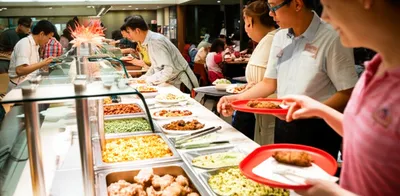
verb 다운로드 🔗공유 함께 식사하다 To take meals with a mess. Examples : "The children messed up the kitchen table while eating their lunch. " 아이들은 점심을 먹으면서 부엌 식탁에서 함께 식사했다. food military AI와 채팅어휘 게임독해 연습
verb 다운로드 🔗공유 엉망으로 만들다, 망치다 To belong to a mess. Examples : "Because he lived at the monastery and ate meals with the other monks, he messed in the refectory. " 그는 수도원에서 살면서 다른 수도승들과 식사를 했기 때문에 식당에서 엉망으로 만들었다. condition appearance AI와 채팅어휘 게임독해 연습
verb 다운로드 🔗공유 함께 먹다 To eat (with others). Examples : "I mess with the wardroom officers." 나는 사관실 장교들과 함께 먹는다. food group AI와 채팅어휘 게임독해 연습
verb 다운로드 🔗공유 식사를 제공하다 To supply with a mess. Examples : "The cafeteria worker messed the hungry students with plates of pasta and meatballs. " 매점 직원은 배고픈 학생들에게 파스타와 미트볼을 담은 접시로 식사를 제공했다. action process AI와 채팅어휘 게임독해 연습