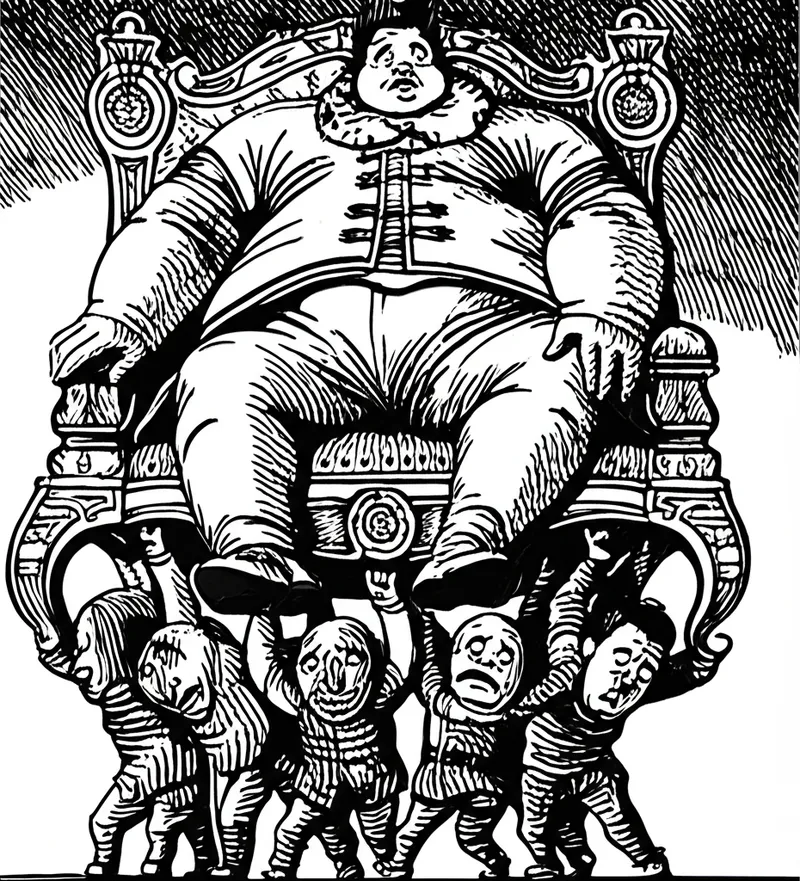
noun 다운로드 🔗공유 기생충, 식객 A person who lives on other people's efforts or expense and gives little or nothing back. Examples : ""My brother is such a parasite; he lives at home, never cleans, and expects us to pay for everything." " 내 동생은 정말 기생충 같아. 그는 집에 살면서 청소도 안 하고, 우리가 모든 것을 지불해주길 바라. person character attitude society moral negative human AI와 채팅어휘 게임독해 연습
noun 다운로드 🔗공유 아첨꾼, 기생충 A sycophant or hanger-on. Examples : "The new student was a parasite, always seeking help from other students for their homework. " 새로운 학생은 아첨꾼이었고, 항상 다른 학생들에게 숙제 도움을 구했다. person character society AI와 채팅어휘 게임독해 연습
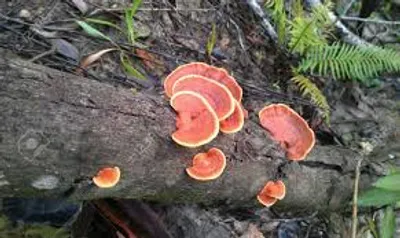
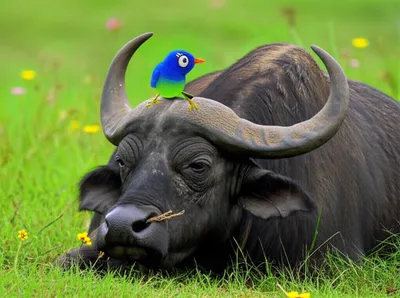
noun 다운로드 🔗공유 기생충 An organism that lives on or in another organism of a different species, deriving benefit from living on or in that other organism, while not contributing towards that other organism sufficiently to cover the cost to that other organism. Examples : "Lice, fleas, ticks and mites are widely spread parasites." 이, 벼룩, 진드기, 그리고 진드기는 널리 퍼진 기생충입니다. organism biology disease ecology medicine animal plant insect microorganism science AI와 채팅어휘 게임독해 연습
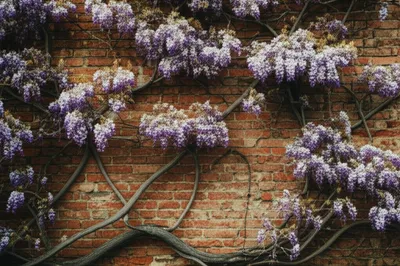
noun 다운로드 🔗공유 덩굴 식물 A climbing plant which is supported by a wall, trellis etc. Examples : "The ivy, a green parasite, was climbing up the old stone wall of the school. " 녹색 덩굴 식물인 담쟁이는 학교의 오래된 돌담을 타고 올라가고 있었다. plant biology AI와 채팅어휘 게임독해 연습
noun 다운로드 🔗공유 음유 시인 A retainer or companion of an ancient Celtic warrior, who praised him in song or poetry at gatherings; a bard. Examples : "In ancient Celtic society, the warrior's prestige was often amplified by the parasite, whose flattering verses ensured lasting fame after every victory feast. " 고대 켈트 사회에서 전사의 명성은 종종 음유 시인에 의해 증폭되었는데, 그의 아첨하는 시구절은 모든 승리 축제 후에 지속적인 명성을 보장했다. culture literature music history language person AI와 채팅어휘 게임독해 연습