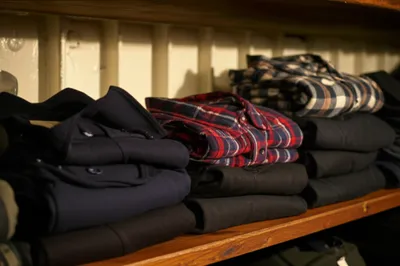






noun🔗Share헐렁한 겉옷, 재킷A loose outer garment; a jacket or overall."The painter wore old slops to protect his clothes from getting covered in paint. "화가는 페인트가 묻는 것을 막기 위해 낡은 재킷을 입었다.wearstyleappearanceitemChat with AIVocabulary GamePractice Reading
noun🔗Share쪼리(chiefly in the plural) A rubber thong sandal."After swimming practice, Maria quickly changed and slipped on her slops to walk to the showers. "수영 연습 후, 마리아는 빠르게 옷을 갈아입고 샤워실로 가기 위해 쪼리를 신었다.wearitemChat with AIVocabulary GamePractice Reading
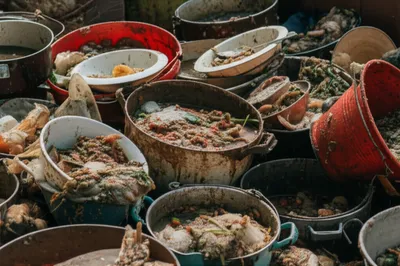
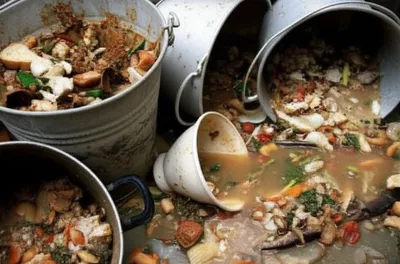
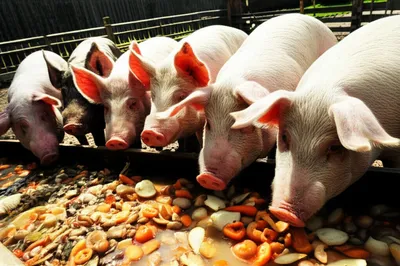
noun🔗Share음식물 쓰레기, 남은 음식(in the plural) See slops."After dinner, the children were responsible for taking the slops to the pigs. "저녁 식사 후, 아이들은 돼지에게 음식물 쓰레기를 가져다주는 일을 책임졌다.foodChat with AIVocabulary GamePractice Reading
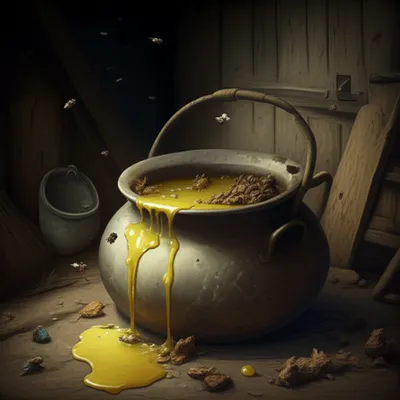
noun🔗Share진흙, 죽, 풀Liquid or semi-solid; goo, paste, mud."The dog eagerly lapped up the slops in his bowl, a mixture of leftover food and gravy. "개는 남은 음식과 그레이비가 섞인 죽을 그릇에서 열심히 핥아 먹었다.substancematerialChat with AIVocabulary GamePractice Reading
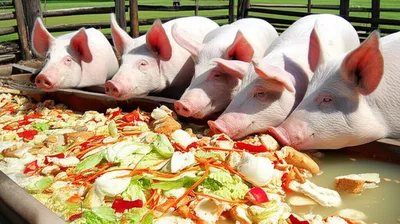
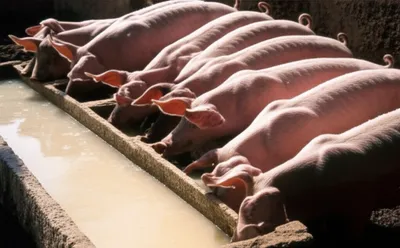
noun🔗Share남은 음식, 돼지 죽(sometimes in the plural) Scraps used as food for animals, especially pigs or hogs."The farmer emptied the bucket of kitchen slops into the pigpen. "농부는 부엌에서 나온 남은 음식 통을 돼지 우리에 쏟았다.animalfoodagricultureChat with AIVocabulary GamePractice Reading
noun🔗Share남은 음식, 질 낮은 액체 음식(chiefly in the plural) Inferior, weak drink or liquid food."The cafeteria's watery soup was nothing but lukewarm slops. "매점의 묽은 수프는 미지근한 남은 음식에 불과했다.drinkfoodChat with AIVocabulary GamePractice Reading
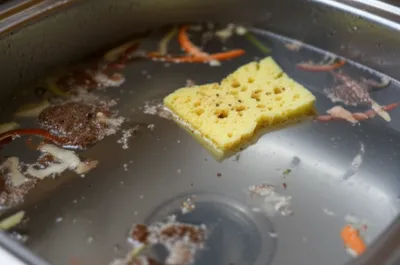
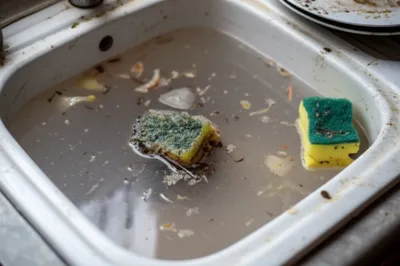
noun🔗Share생활 하수(sometimes in the plural) Domestic liquid waste; household wastewater."After dinner, Maria poured the slops down the drain. "저녁 식사 후, 마리아는 생활 하수를 배수구에 쏟았다.utilityenvironmentsubstanceChat with AIVocabulary GamePractice Reading
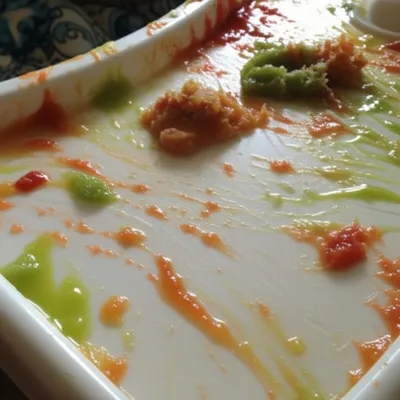
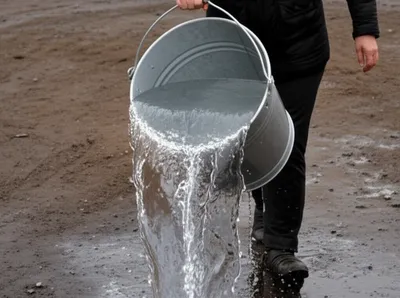
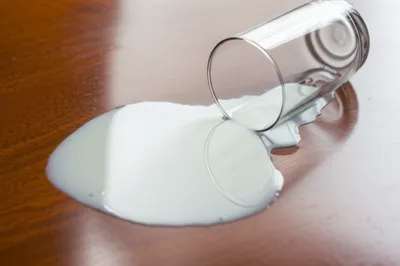
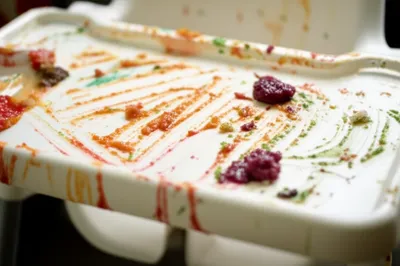
noun🔗Share얼룩, 엎지른 물Water or other liquid carelessly spilled or thrown about, as upon a table or a floor; a puddle; a soiled spot."The toddler made slops all over the kitchen floor after playing with his water cup. "아기는 물컵으로 놀고 나서 부엌 바닥 전체에 물을 엎질렀다.substancematerialconditionChat with AIVocabulary GamePractice Reading
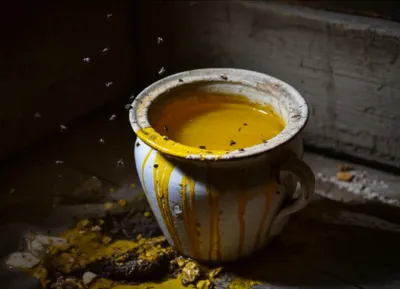
noun🔗Share인뇨 또는 배설물Human urine or excrement."During the medieval siege, the castle's defenders had to throw the slops over the walls to dispose of them. "중세 시대의 포위 공격 동안, 성의 수비수들은 그것들을 처리하기 위해 성벽 너머로 인뇨 또는 배설물을 던져야 했다.bodyhumanphysiologyChat with AIVocabulary GamePractice Reading
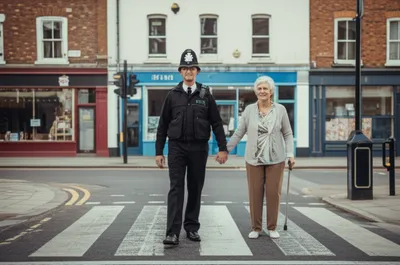
noun🔗Share경찰관, 순경(costers) A policeman."Seeing the slops coming down the street, the flower seller quickly hid his unlicensed stall. "순경이 길을 내려오는 것을 보고 꽃 파는 사람은 재빨리 무허가 노점을 숨겼다.policepersonChat with AIVocabulary GamePractice Reading
noun🔗Share헐렁한 바지Loose trousers."He traded his uncomfortable school uniform pants for loose slops as soon as he got home. "그는 집에 도착하자마자 불편한 학교 유니폼 바지를 헐렁한 바지로 바꿔 입었다.wearappearanceChat with AIVocabulary GamePractice Reading
noun🔗Share선원 바지Sailors’ breeches ending just below the knees or above the ankles, worn mainly in XVIII century."The historical reenactor wore a blue coat and white slops ending just below his knees, accurately portraying a sailor from the 1780s. "역사 재연 배우는 파란색 코트와 무릎 바로 아래에서 끝나는 흰색 선원 바지를 입고 1780년대의 선원을 정확하게 묘사했다.wearnauticalhistoryChat with AIVocabulary GamePractice Reading
noun🔗Share선원에게 지급되는 의류와 침구Clothing and bedding issued to sailors."The new sailor was grateful for the warm slops he received upon boarding the ship. "새 선원은 배에 탑승했을 때 받은 따뜻한 의류와 침구에 감사했다.nauticalmilitarywearChat with AIVocabulary GamePractice Reading
🔗Share작업복, 헐렁한 겉옷A loose outer garment; a jacket or overall."My grandfather wore a thick, comfortable slops to work in the garden all day. "할아버지는 하루 종일 정원에서 일하기 위해 두껍고 편안한 작업복을 입으셨다.appearancewearChat with AIVocabulary GamePractice Reading
🔗Share쪼리(chiefly in the plural) A rubber thong sandal."After swimming, I quickly put on my slops to walk back to the changing rooms. "수영 후, 탈의실로 돌아가기 위해 쪼리를 재빨리 신었다.wearitemChat with AIVocabulary GamePractice Reading
🔗Share음식물 쓰레기, 남은 음식(in the plural) See slops."After dinner, he collected the slops from everyone's plates and fed them to the pigs. "저녁 식사 후, 그는 모든 사람의 접시에서 남은 음식을 모아 돼지에게 먹였다.foodChat with AIVocabulary GamePractice Reading
🔗Share진흙, 풀, 죽Liquid or semi-solid; goo, paste, mud."The dog eagerly lapped up the slops from his bowl, a mixture of leftover meat and gravy. "개는 남은 고기와 그레이비가 섞인 죽을 그릇에서 열심히 핥아 먹었다.substancematerialChat with AIVocabulary GamePractice Reading
🔗Share남은 음식, 돼지 죽(sometimes in the plural) Scraps used as food for animals, especially pigs or hogs."Every evening, the farmer emptied the leftover food scraps into the bucket of slops for his pigs. "매일 저녁, 농부는 남은 음식 찌꺼기를 돼지 죽 통에 부어 돼지에게 줬다.animalfoodagricultureChat with AIVocabulary GamePractice Reading
🔗Share질 낮은 음료, 묽은 음식(chiefly in the plural) Inferior, weak drink or liquid food."The cafeteria sometimes serves watery soup that tastes like slops. "구내식당은 때때로 질 낮은 음식처럼 맛이 나는 묽은 수프를 제공합니다.drinkfoodChat with AIVocabulary GamePractice Reading
🔗Share생활 폐수, 하수(sometimes in the plural) Domestic liquid waste; household wastewater."After dinner, Dad emptied the bucket of slops into the garden compost. "저녁 식사 후, 아빠는 생활 폐수가 담긴 양동이를 정원 퇴비에 비웠다.utilityenvironmentChat with AIVocabulary GamePractice Reading
🔗Share물웅덩이, 얼룩, 엎지른 것Water or other liquid carelessly spilled or thrown about, as upon a table or a floor; a puddle; a soiled spot."The baby made a mess with his juice; there were slops all over the high chair tray. "아기가 주스로 엉망으로 만들었다. 아기 의자 트레이 전체에 물웅덩이가 있었다.materialsubstanceChat with AIVocabulary GamePractice Reading
🔗Share오줌과 배설물Human urine or excrement."Example Sentence: In the old days, people sometimes emptied their chamber pots of slops out the window. " 옛날에는 사람들이 창밖으로 요강의 오줌과 배설물을 비우기도 했습니다.bodyhumanphysiologyChat with AIVocabulary GamePractice Reading
verb🔗Share쏟다, 엎지르다To spill or dump liquid, especially over the rim of a container when it moves."I slopped water all over my shirt."나는 물을 셔츠 전체에 쏟았다.actionutensilChat with AIVocabulary GamePractice Reading
verb🔗Share쏟다, 흘리다To spill liquid upon; to soil with a spilled liquid."The toddler slops juice all over the table when he tries to pour it himself. "아이는 스스로 주스를 따르려고 할 때 테이블 전체에 주스를 쏟는다.actionutensilChat with AIVocabulary GamePractice Reading
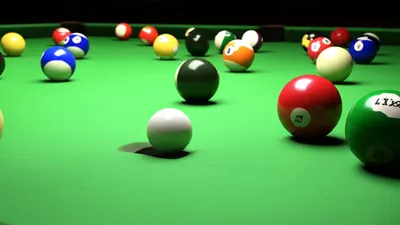
verb🔗Share우연히 공을 넣다, 부주의한 샷을 하다In the game of pool or snooker to pocket a ball by accident; in billiards, to make an ill-considered shot."During the pool tournament, he sloped the cue ball, accidentally pocketing the eight ball. "당구 토너먼트 동안, 그는 큐 볼을 슬롭하여 실수로 8번 공을 넣었다.gamesportentertainmentChat with AIVocabulary GamePractice Reading
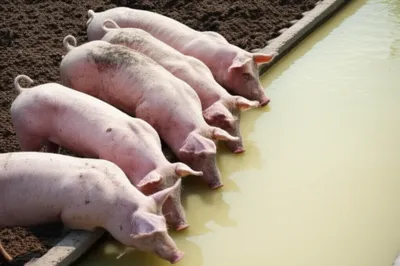
verb🔗Share돼지에게 먹이를 주다To feed pigs"Every morning, the farmer slops the pigs with leftover food. "매일 아침, 농부는 남은 음식으로 돼지에게 먹이를 준다.animalfoodagricultureChat with AIVocabulary GamePractice Reading
🔗Share경찰관, 순경(costers) A policeman."Seeing the slops round the corner, the group of kids quickly dispersed. "모퉁이에서 경찰관을 보자 아이들 무리가 재빨리 흩어졌다.policeChat with AIVocabulary GamePractice Reading