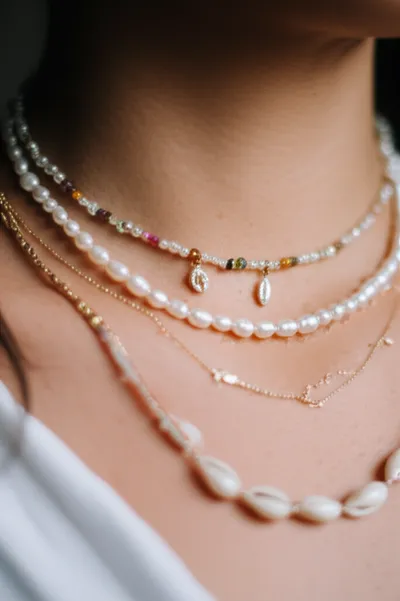




verb🔗Share꿰다, 잇다To put (items) on a string."You can string these beads on to this cord to make a colorful necklace."이 구슬들을 이 끈에 꿰어 화려한 목걸이를 만들 수 있습니다.actionitemChat with AIVocabulary GamePractice Reading
verb🔗Share줄을 매다, 꿰다To put strings on (something)."It is difficult to string a tennis racket properly."테니스 라켓에 줄을 제대로 매는 것은 어렵습니다.musictechnicalChat with AIVocabulary GamePractice Reading
verb🔗Share꿰다, 잇다To form into a string or strings, as a substance which is stretched, or people who are moving along, etc."The children strung beads onto a piece of yarn to make necklaces. "아이들은 목걸이를 만들기 위해 실에 구슬을 꿰었습니다.actiongroupprocessChat with AIVocabulary GamePractice Reading
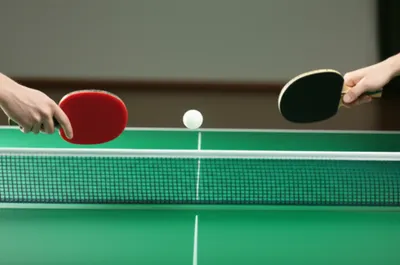
verb🔗Share게임을 시작할 사람을 정하기 위해 공을 테이블 끝에 쳐서 되돌리는 행위To drive the ball against the end of the table and back, in order to determine which player is to open the game."Before the intense match, they strung to see who would get the first serve. "치열한 경기 전에, 그들은 누가 첫 서브를 할지 결정하기 위해 공을 쳤다.sportgameChat with AIVocabulary GamePractice Reading
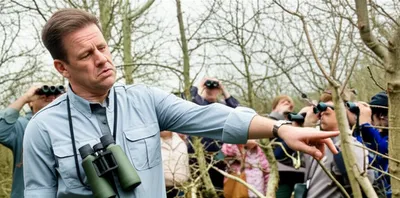
verb🔗Share특정 새가 없는데도 의도적으로 있다고 말하다; 특히 희귀종의 조류 출현에 대해 다른 조류 관찰자들을 고의로 오도하다; 흔한 새를 희귀종으로 잘못 식별하다To deliberately state that a certain bird is present when it is not; to knowingly mislead other birders about the occurrence of a bird, especially a rarity; to misidentify a common bird as a rare species."Because he wanted to impress the other birders, Mark strung them by claiming he saw a rare Golden-winged Warbler, even though it was just a common Yellow Warbler. "그는 다른 조류 관찰자들에게 깊은 인상을 주고 싶었기 때문에, 마크는 흔한 노랑 워블러를 보고도 희귀한 금날개 워블러를 봤다고 주장하며 그들을 속였다.birdsportentertainmentlanguageChat with AIVocabulary GamePractice Reading