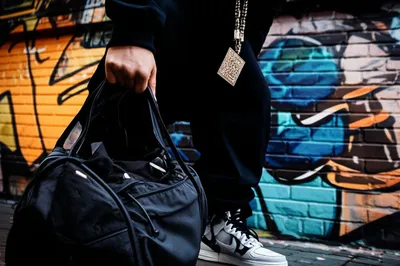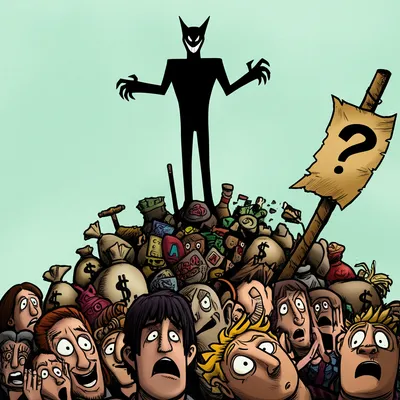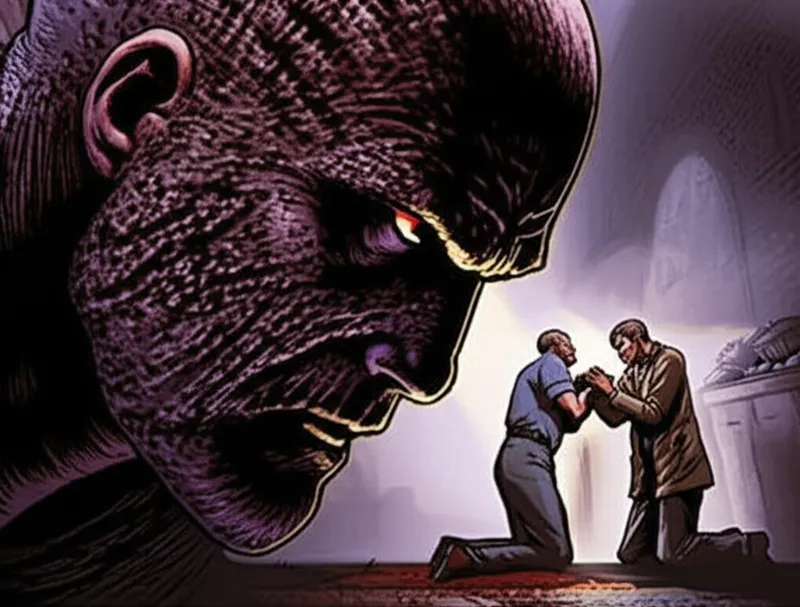


noun🔗Share폭력배, 깡패Someone with an intimidating and unseemly appearance and mannerisms, who treats others violently and roughly, often for hire."The school bully, a notorious thug, intimidated smaller students and often stole their lunch money. "악명 높은 폭력배인 학교 불량배는 어린 학생들을 위협하고 종종 점심값을 훔쳤다.personcharacterhumansocietyChat with AIVocabulary GamePractice Reading
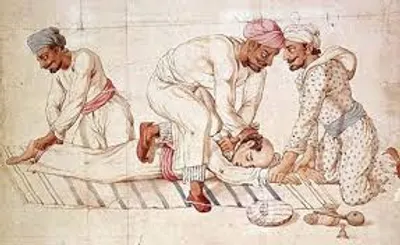
noun🔗Share악당, 깡패One of a band of assassins formerly active in northern India who worshipped Kali and offered their victims to her."Historical accounts describe the thug as a member of a group that ritually murdered travelers in India centuries ago. "역사적 기록은 악당을 수세기 전 인도에서 여행자를 의례적으로 살해한 집단의 일원으로 묘사합니다.religionhistoryculturegrouppersonweaponChat with AIVocabulary GamePractice Reading
noun🔗Share번식력이 강한 식물In gardening, an over-vigorous plant that spreads and dominates the flowerbed."The ivy was a real thug in the garden; it quickly covered the entire flower bed, pushing out the other plants. "담쟁이는 정원에서 정말 번식력이 강한 식물이었다. 그것은 빠르게 전체 화단을 덮었고, 다른 식물들을 밀어냈다.plantagriculturenaturebiologyChat with AIVocabulary GamePractice Reading
noun🔗Share깡패, 불량배A punk; a hoodlum; a hooligan."A group of thugs vandalized the park benches and spray-painted graffiti on the playground. "깡패 무리가 공원 벤치를 훼손하고 놀이터에 낙서를 스프레이로 칠했다.personcharactersocietyChat with AIVocabulary GamePractice Reading
verb🔗Share깡패 짓을 하다, 양아치처럼 행동하다To commit acts of thuggery, to live the life of a thug, or to dress and act in a manner reminiscent of someone who does."To fit in with the older kids, he started thugging, dressing in dark clothes and using aggressive language. "더 나이 많은 아이들과 어울리기 위해, 그는 깡패 짓을 시작했고, 어두운 옷을 입고 공격적인 언어를 사용했다.actionstylecharacterculturesocietyhumanpersonChat with AIVocabulary GamePractice Reading