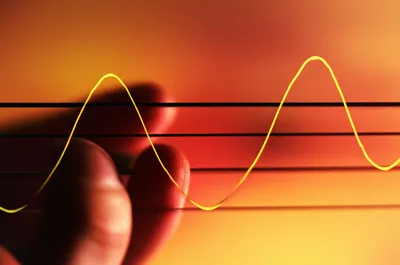
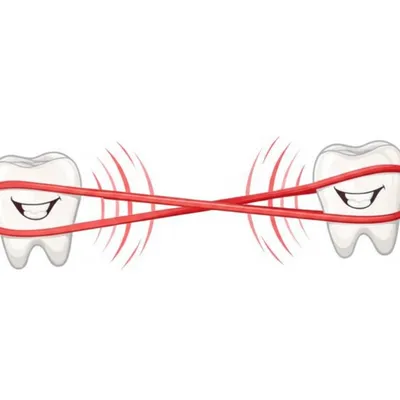
verb 다운로드 🔗공유 쨍하고 울리다, 튕기다 To produce or cause to produce a sharp vibrating sound, like a tense string pulled and suddenly let go. Examples : "The boy was twanging the rubber band on his ruler, making a distracting noise in class. " 그 소년은 수업 시간에 주의를 산만하게 하는 소리를 내며 자의 고무줄을 쨍하고 울리고 있었다. sound music physics AI와 채팅어휘 게임독해 연습
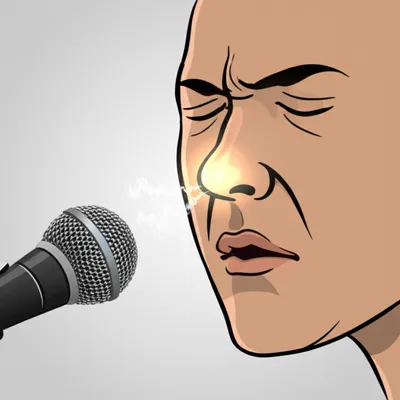
verb 다운로드 🔗공유 코맹맹이 소리를 내다 To have a nasal sound. Examples : "The boy's voice was twanging loudly as he read the poem with a thick country accent. " 그 소년은 시골 억양으로 시를 읽을 때 코맹맹이 소리를 냈다. sound language phonetics AI와 채팅어휘 게임독해 연습
verb 다운로드 🔗공유 지역 또는 외국 억양이 있다 To have a trace of a regional or foreign accent. Examples : "Even after living in London for ten years, her voice was still twanging with a hint of her native Texas drawl. " 런던에서 10년을 살았음에도 불구하고, 그녀의 목소리는 여전히 고향 텍사스 억양의 흔적을 가지고 있었다. language phonetics sound communication AI와 채팅어휘 게임독해 연습
verb 다운로드 🔗공유 뜯다, 튕기다 To play a stringed musical instrument by plucking and snapping. Examples : "He was idly twanging the guitar strings, trying to find the right tune. " 그는 올바른 곡조를 찾으려고 기타 줄을 무심코 튕기고 있었다. music sound action entertainment AI와 채팅어휘 게임독해 연습
noun 다운로드 🔗공유 튕기는 소리 A sound that twangs. Examples : "We could hear the twangings of guitars from the studio." 우리는 스튜디오에서 기타의 튕기는 소리를 들을 수 있었다. sound music AI와 채팅어휘 게임독해 연습
adjective 다운로드 🔗공유 쨍한 (of a sound) twangy Examples : "The old screen door made a twanging sound as it slammed shut behind her. " 오래된 방충망 문이 그녀 뒤에서 쾅 닫히면서 쨍한 소리를 냈다. sound music language AI와 채팅어휘 게임독해 연습