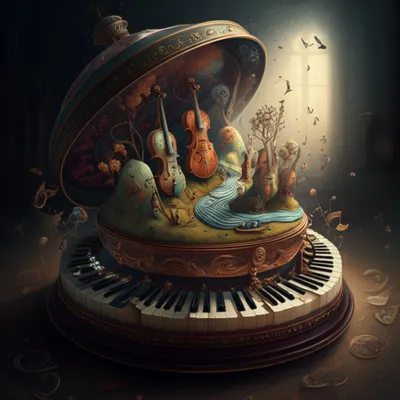
noun 다운로드 🔗공유 노래 A musical composition with lyrics for voice or voices, performed by singing. Examples : "Thomas listened to his favorite song on the radio yesterday." 토마스는 어제 라디오에서 가장 좋아하는 노래를 들었다. music entertainment culture AI와 채팅어휘 게임독해 연습
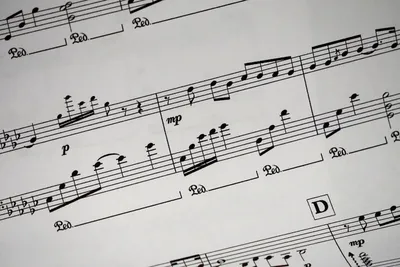
noun 다운로드 🔗공유 노래, 악곡 (by extension) Any musical composition. Examples : "The radio played many popular songs during my drive to work. " 라디오는 출근길에 많은 인기 곡들을 틀었다. music entertainment AI와 채팅어휘 게임독해 연습
noun 다운로드 🔗공유 노래, 시, 운문 Poetical composition; poetry; verse. Examples : "The children learned several patriotic songs in music class this week. " 아이들은 이번 주 음악 수업에서 여러 애국가를 배웠다. music literature entertainment AI와 채팅어휘 게임독해 연습
noun 다운로드 🔗공유 노래, 가창 The act or art of singing. Examples : "The choir's songs filled the church with beautiful music. " 합창단의 노래가 교회에 아름다운 음악을 채웠다. music entertainment sound art AI와 채팅어휘 게임독해 연습
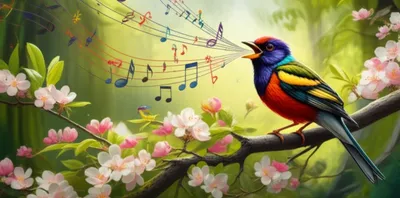
noun 다운로드 🔗공유 노래, 지저귐 A melodious sound made by a bird, insect, whale or other animal. Examples : "I love hearing the song of canary birds." 나는 카나리아 새의 노래를 듣는 것을 좋아한다. music animal nature sound entertainment AI와 채팅어휘 게임독해 연습
noun 다운로드 🔗공유 노래 The distinctive sound that a male bird utters to attract a mate or to protect his territory; contrasts with call Examples : "The robin filled the morning air with his songs, warning other birds to stay out of his garden. " 울새는 아침 공기를 그의 노래로 채우며 다른 새들에게 그의 정원에서 멀리 떨어져 있으라고 경고했다. animal sound nature bird biology communication AI와 채팅어휘 게임독해 연습
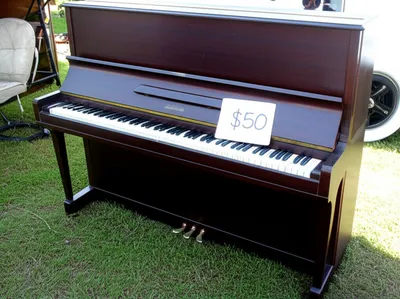
noun 다운로드 🔗공유 아주 싼 가격, 헐값 A low price, especially one under the expected value; chiefly in for a song. Examples : "He bought that car for a song." 그는 그 차를 헐값에 샀다. value business economy AI와 채팅어휘 게임독해 연습
noun 다운로드 🔗공유 웃음거리, 조롱거리 An object of derision; a laughing stock. Examples : "After tripping and spilling his lunch all over the principal, Mark became the songs of the entire school. " 넘어져서 교장 선생님에게 점심을 쏟은 후, 마크는 학교 전체의 웃음거리가 되었다. entertainment music AI와 채팅어휘 게임독해 연습