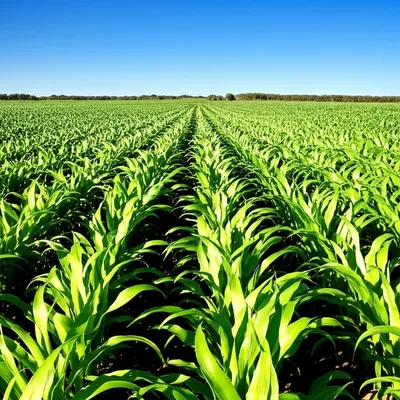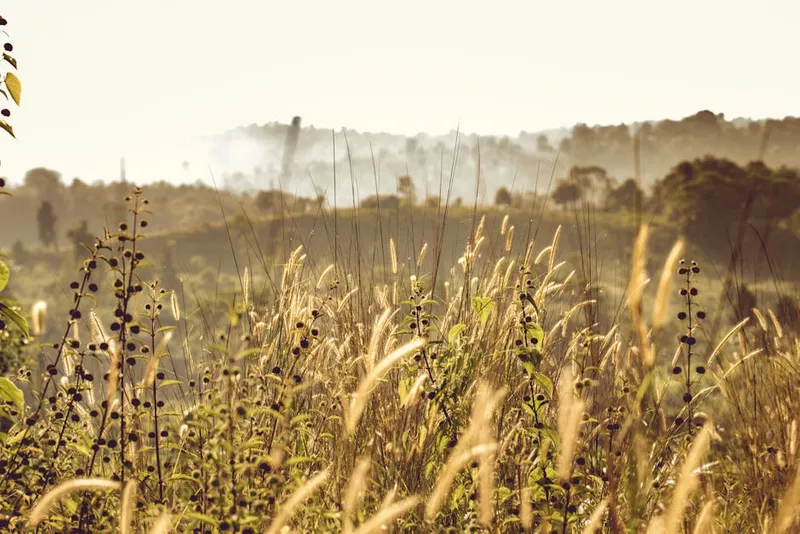

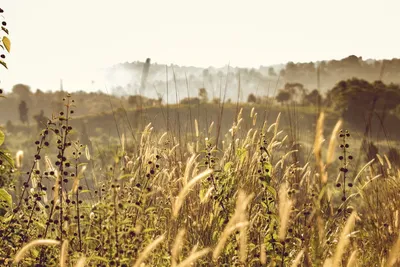
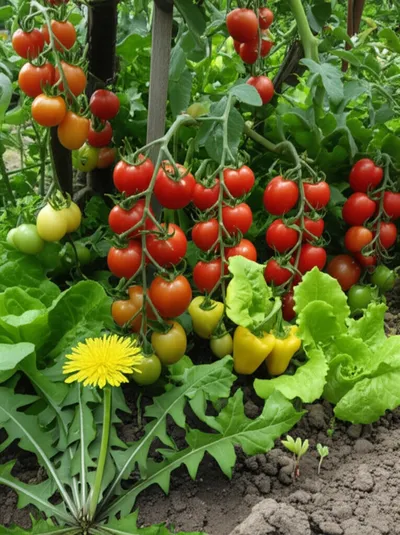

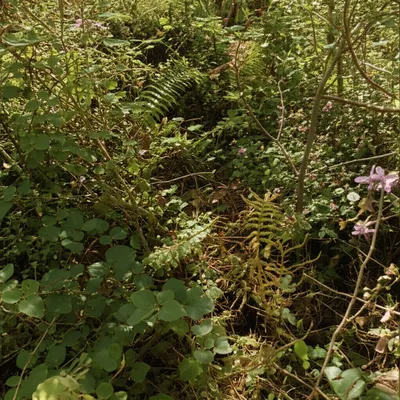
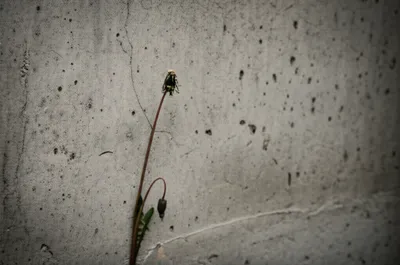
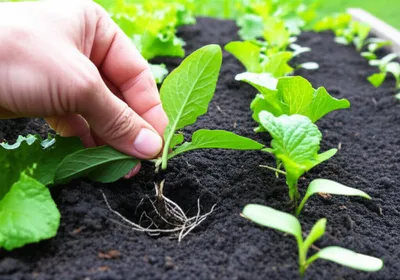




noun🔗Share잡초Any plant regarded as unwanted at the place where, and at the time when it is growing."The gardener spent the afternoon pulling weeds from the flower bed. "정원사는 꽃밭에서 잡초를 뽑는 데 오후를 보냈다.plantagricultureenvironmentnatureChat with AIVocabulary GamePractice Reading
noun🔗Share개구리밥Short for duckweed."The pond in the park was covered with weeds. "공원 연못은 개구리밥으로 덮여 있었다.plantbiologynatureenvironmentChat with AIVocabulary GamePractice Reading
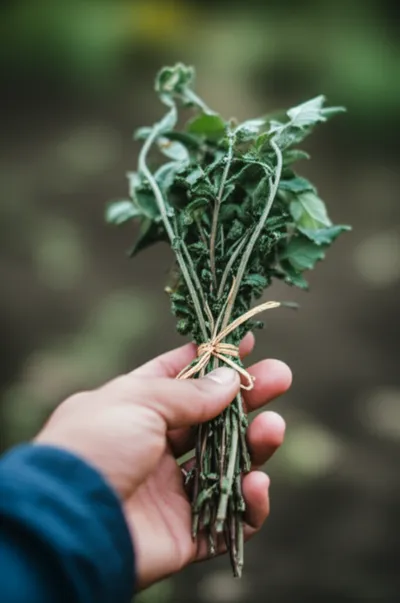
noun🔗Share잡초, 덤불Underbrush; low shrubs."The small animals hid in the thick weeds along the riverbank. "작은 동물들은 강둑을 따라 우거진 덤불 속에 숨었다.plantnatureenvironmentagricultureChat with AIVocabulary GamePractice Reading
noun🔗Share마리화나, 대마초A drug or the like made from the leaves of a plant."The police found several bags of weeds hidden in the suspect's car. "경찰은 용의자의 차에서 숨겨진 여러 봉지의 대마초를 발견했다.substanceplantChat with AIVocabulary GamePractice Reading
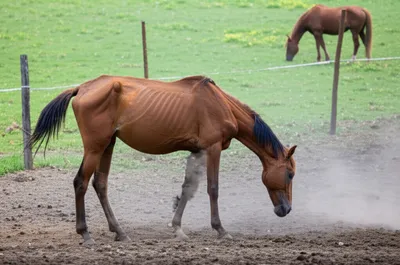
noun🔗Share약한 말A weak horse, which is therefore unfit to breed from."The rancher culled the herd, removing the weeds to improve the overall quality of the breeding stock. "목장주는 종마의 전반적인 질을 향상시키기 위해 약한 말을 제거하여 가축을 도태시켰다.animalagricultureChat with AIVocabulary GamePractice Reading
noun🔗Share허약한 사람, 약골A puny person; one who has little physical strength.""He wasn't allowed to play football because the coach thought he was a weeds." "코치는 그가 허약한 사람이라고 생각해서 그는 축구를 할 수 없었다.personbodycharacterChat with AIVocabulary GamePractice Reading
noun🔗Share잡초, 쓸모없는 것Something unprofitable or troublesome; anything useless."The old textbooks in the storage room were just weeds that took up valuable space. "창고에 있는 낡은 교과서는 귀중한 공간을 차지하는 잡초에 불과했다.plantagricultureenvironmentnatureChat with AIVocabulary GamePractice Reading
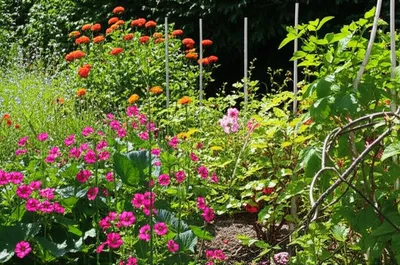
verb🔗Share잡초를 뽑다To remove unwanted vegetation from a cultivated area."I weeded my flower bed."나는 화단을 잡초를 뽑았다.agricultureplantactionenvironmentChat with AIVocabulary GamePractice Reading
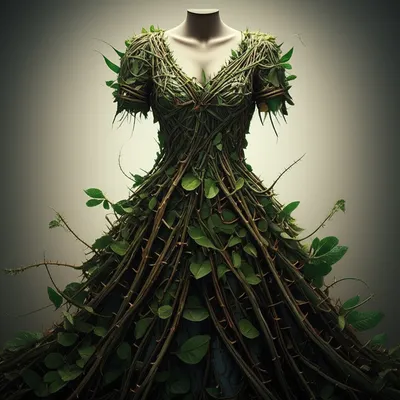
noun🔗Share의류, 옷A garment or piece of clothing."After the funeral, she carefully packed away her black weeds, a visible symbol of her grief. "장례식 후, 그녀는 슬픔의 눈에 띄는 상징인 검은 옷을 조심스럽게 정리했다.appearancewearChat with AIVocabulary GamePractice Reading
noun🔗Share옷, 의복Clothing collectively; clothes, dress."After a long day of gardening, I changed out of my dirty weeds and into something more comfortable. "오랜 정원 가꾸기 후, 저는 더러운 옷을 벗고 더 편안한 옷으로 갈아입었습니다.appearancestylewearChat with AIVocabulary GamePractice Reading
noun🔗Share상복An article of dress worn in token of grief; a mourning garment or badge."He wore a weed on his hat."그는 모자에 상복을 걸쳤다.appearancecultureweartraditionstyleChat with AIVocabulary GamePractice Reading
noun🔗Share상복(especially in the plural as "widow's weeds") (Female) mourning apparel."After the funeral, the grieving widow appeared in her weeds, a long black dress and veil. "장례식 후, 슬픔에 잠긴 미망인은 상복, 긴 검은 드레스와 베일을 입고 나타났다.appearanceweartraditionculturefamilyChat with AIVocabulary GamePractice Reading
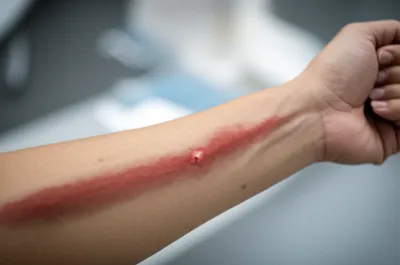
noun🔗Share산욕열A sudden illness or relapse, often attended with fever, which befalls those who are about to give birth, are giving birth, or have recently given birth or miscarried or aborted.""After the difficult birth, Mary suffered from weeds and had a high fever." "힘든 출산 후, 메리는 산욕열로 고생했고 고열에 시달렸다.medicinephysiologydiseasebodysexfamilyconditionChat with AIVocabulary GamePractice Reading
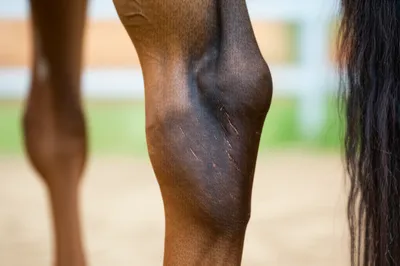
noun🔗Share말의 림프관염Lymphangitis in a horse."The veterinarian examined the horse's swollen leg, suspecting weeds. "수의사는 말의 부어오른 다리를 진찰하며 림프관염을 의심했다.animaldiseasemedicineChat with AIVocabulary GamePractice Reading
noun🔗Share옷, 의류Clothes."He changed into his work weeds after school. "그는 학교 후에 작업복으로 갈아입었다.appearancewearChat with AIVocabulary GamePractice Reading