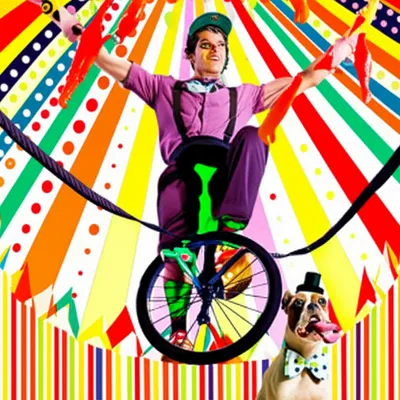
noun 다운로드 🔗공유 광대, 바보 A fool or clown, especially one whose business on the stage is to imitate foolishly the actions of the principal clown. Examples : "In the school play, Timmy was cast as the zany, mimicking the lead actor's every exaggerated movement with silly faces and stumbling steps. " 학교 연극에서 티미는 광대로 캐스팅되어, 주연 배우의 과장된 모든 동작을 우스꽝스러운 표정과 비틀거리는 걸음으로 흉내냈다. entertainment person character AI와 채팅어휘 게임독해 연습
verb 다운로드 🔗공유 바보스럽게 흉내내다 To mimic foolishly. Examples : "The child zanyed the teacher's movements during recess, mimicking her exaggerated gestures for fun. " 아이는 쉬는 시간에 선생님의 움직임을 바보스럽게 흉내내며, 재미로 과장된 제스처를 따라했다. entertainment action style AI와 채팅어휘 게임독해 연습
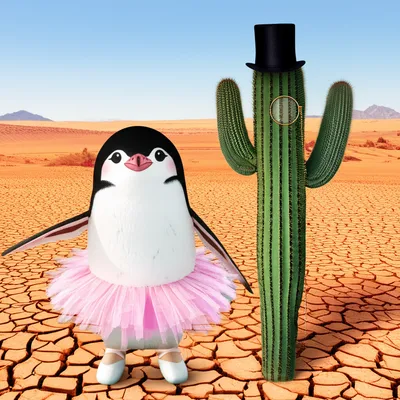
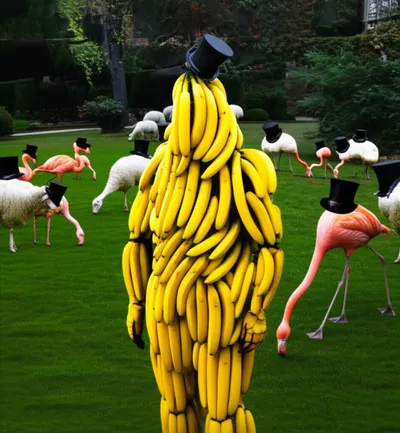
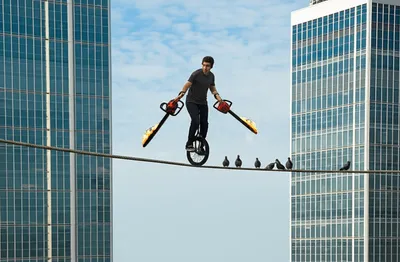
adjective 다운로드 🔗공유 우스꽝스러운, 익살스러운, 괴짜의 Unusual and awkward in a funny, comical manner; outlandish; clownish. Examples : "My uncle has a zany way of telling jokes, making everyone laugh with his unusual and silly stories. " 우리 삼촌은 우스꽝스러운 방식으로 농담을 해서, 그의 특이하고 어리석은 이야기로 모두를 웃게 만든다. character entertainment style AI와 채팅어휘 게임독해 연습
adjective 다운로드 🔗공유 우스꽝스러운, 익살스러운 Ludicrously or incongruously comical. Examples : "The clown's zany antics, like juggling rubber chickens and honking a bike horn, made the children roar with laughter. " 고무 닭을 저글링하고 자전거 경적을 울리는 광대의 익살스러운 행동은 아이들을 웃음바다로 만들었다. entertainment character style AI와 채팅어휘 게임독해 연습