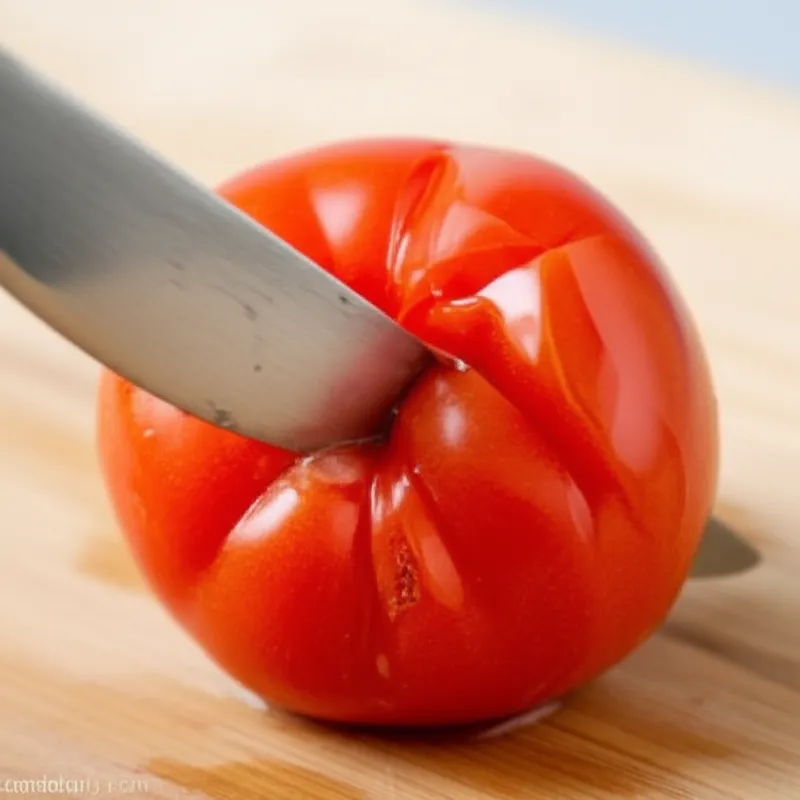

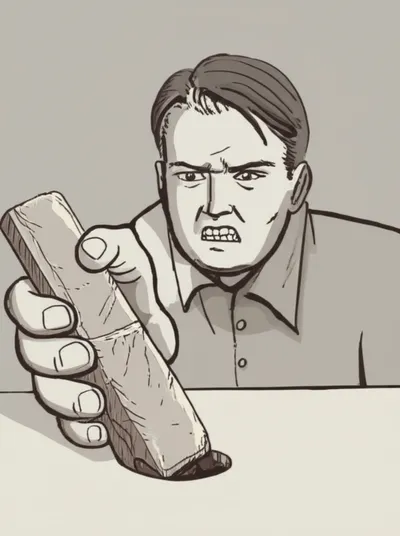
adjective🔗ShareБолее тупой, не острыйHaving a thick edge or point; not sharp."The child complained that his pencil was blunter than his friend's, making it hard to write neatly. "Ребенок пожаловался, что его карандаш был более тупым, чем у его друга, из-за чего ему было трудно аккуратно писать.qualityappearanceChat with AIVocabulary GamePractice Reading
adjective🔗ShareТупой, недалёкийDull in understanding; slow of discernment; opposed to acute."Instead of grasping the complex math concept, he seemed blunter and needed the problem explained multiple times in simpler terms. "Вместо того чтобы понять сложную математическую концепцию, он казался более тупым и нуждался в многократном объяснении проблемы более простыми словами.mindcharacterqualityabilityChat with AIVocabulary GamePractice Reading
adjective🔗ShareРезок, груб, бесцеремонныйAbrupt in address; plain; unceremonious; wanting the forms of civility; rough in manners or speech."the blunt admission that he had never liked my company"Резкое признание в том, что я ему никогда не нравился.characterattitudecommunicationstylelanguagemoralqualityChat with AIVocabulary GamePractice Reading
adjective🔗ShareБолее тупой, невосприимчивыйHard to impress or penetrate."After years of working in the emergency room, the doctor had become blunter to scenes of blood and injury. "После многих лет работы в отделении неотложной помощи врач стал более невосприимчивым к сценам крови и травм.attitudecharacterChat with AIVocabulary GamePractice Reading
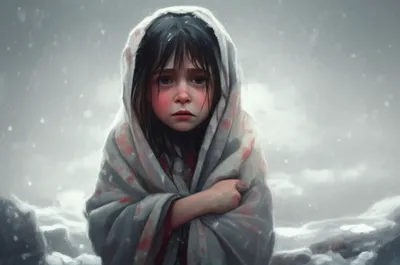
adjective🔗ShareТупой, бесчувственныйSlow or deficient in feeling: insensitive."Even after seeing the homeless man shivering, his face remained blunter than before, showing no empathy. "Даже увидев дрожащего бездомного, его лицо оставалось более бесчувственным, чем раньше, не проявляя сочувствия.characterhumanmindattitudeemotionChat with AIVocabulary GamePractice Reading