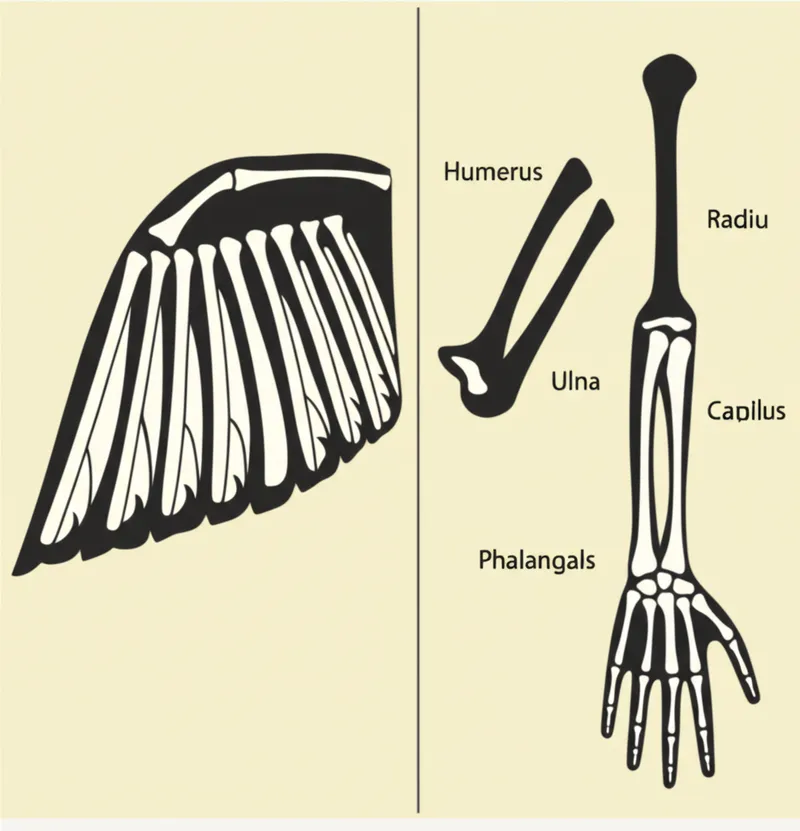

homologue
Meanings

Examples :
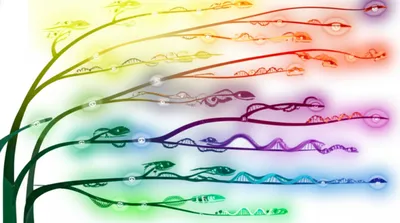
"The gene for eye color in fruit flies is a homologue of a gene that controls early brain development in humans, showing their shared evolutionary history. "
Ген цвета глаз у плодовых мушек является гомологом гена, контролирующего раннее развитие мозга у людей, что показывает их общую эволюционную историю.
Related Words
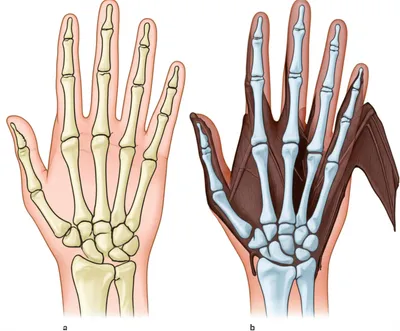
homologues noun
/ˈhɒməˌlɒɡz/ /ˈhoʊməˌlɒɡz/
Гомологи, гомологичный орган или часть, химическое соединение или хромосома
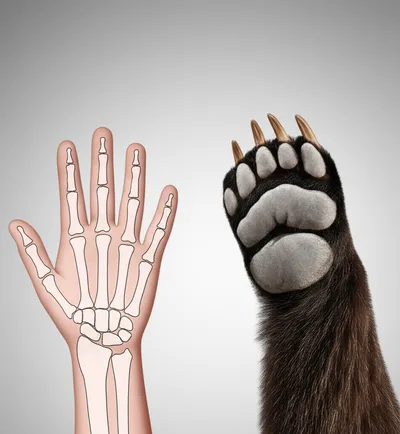
На уроке биологии мы узнали, что крыло летучей мыши и рука человека считаются гомологами, потому что они имеют схожую структуру костей, унаследованную от общего предка.


development noun
/dɪˈvɛləpmənt/
Развитие, рост



homologous adjective
/həˈmɒləɡəs/
Гомологичный, сходный
Несмотря на то, что они выполняют разные функции, крыло птицы и рука человека считаются гомологичными структурами, потому что они имеют схожее строение костей и происхождение.

sequences noun
/ˈsiːkwənsɪz/ /ˈsiːkwənˌsɪz/