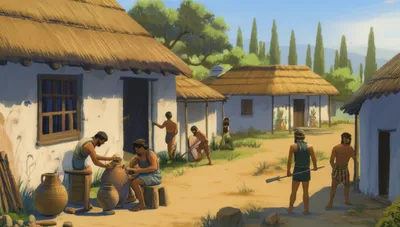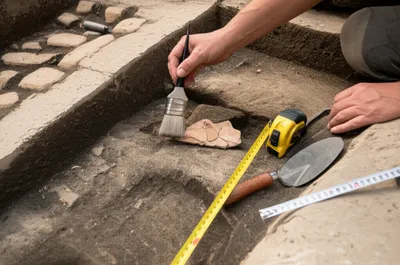

noun🔗Share古代(usually capitalized) A general term for the prehistoric period intermediate between the earliest period (‘Paleo-Indian’, ‘Paleo-American’, ‘American‐paleolithic’, &c.) of human presence in the Western Hemisphere, and the most recent prehistoric period (‘Woodland’, etc.)."Archaeologists are studying the Archaic period to understand early human life in North America. "考古学者は、北米における初期の人間の生活を理解するために、古代の時代を研究しています。archaeologyhistoryageperiodChat with AIVocabulary GamePractice Reading
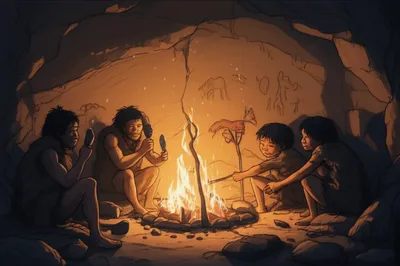
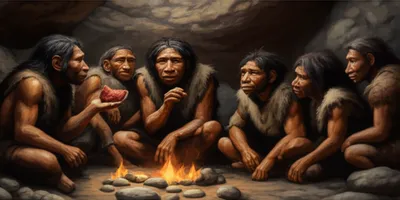
noun🔗Share初期のホモ・サピエンス(paleoanthropology) (A member of) an archaic variety of Homo sapiens."Scientists studying early human fossils debated whether the archaic found in the cave was a direct ancestor to modern humans or a related, but separate, species. "初期の人類化石を研究する科学者たちは、洞窟で見つかった初期のホモ・サピエンスが現代人の直接の祖先なのか、それとも関連はあるが別の種なのかについて議論した。archaeologyhumanhistoryChat with AIVocabulary GamePractice Reading
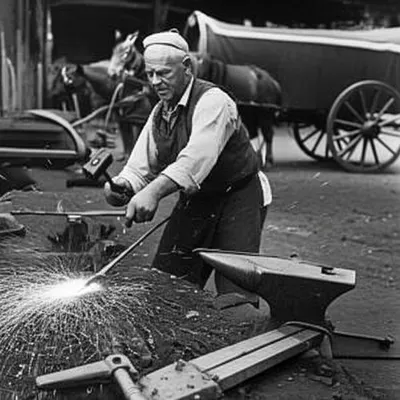
adjective🔗Share古風な, 古代のOf or characterized by antiquity; old-fashioned, quaint, antiquated."My grandfather's way of making toast, using a coal-fired oven, seemed archaic to me. "祖父が石炭式のオーブンを使ってトーストを作るやり方は、私には古風に思えました。historylanguageagestylepastChat with AIVocabulary GamePractice Reading
adjective🔗Share古風な, 廃れた(of words) No longer in ordinary use, though still used occasionally to give a sense of antiquity."My grandfather used the archaic word "forsooth" when he told stories about his childhood, adding a touch of old-fashioned charm. "祖父は子供時代の話をする際、古風な単語「forsooth」を使い、昔ながらの魅力を添えていました。languagelinguisticswordhistorystyleliteraturegrammarChat with AIVocabulary GamePractice Reading
adjective🔗Share古代の, 古風なBelonging to the archaic period"The museum displayed pottery from the archaic period of ancient Greece. "博物館は古代ギリシャの古代時代の陶器を展示した。historyarchaeologytimeagepastChat with AIVocabulary GamePractice Reading