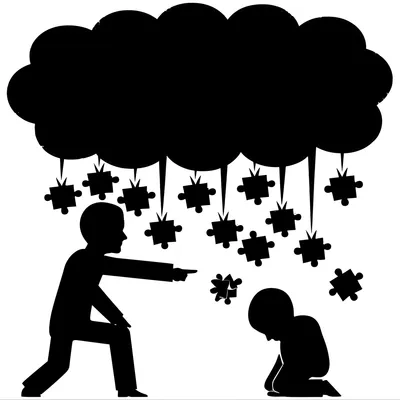
verb ダウンロード 🔗共有 責める, 非難する To censure (someone or something); to criticize. Examples : "The teacher blamed the students for the messy classroom. " 先生は散らかった教室のことで生徒たちを責めた。 communication attitude emotion moral action value statement society AIとチャット語彙ゲーム読解練習
verb ダウンロード 🔗共有 非難する, 責める To bring into disrepute. Examples : "The teacher's poor handling of the class project blamed the entire group, making them look incompetent to the other students. " 教師のクラスプロジェクトのずさんな処理は、グループ全体を非難し、他の生徒たちに無能に見せつけた。 guilt moral character attitude AIとチャット語彙ゲーム読解練習
verb ダウンロード 🔗共有 責めた, 非難した (usually followed by "for") To assert or consider that someone is the cause of something negative; to place blame, to attribute responsibility (for something negative or for doing something negative). Examples : "The arsonist was blamed for the fire." 放火犯は火事の責任を問われた。 action situation event moral guilt negative attitude communication law politics society state human person organization AIとチャット語彙ゲーム読解練習
adjective ダウンロード 🔗共有 見捨てられた, 呪われた God-forsaken. Examples : "Context: The word “blamed” as a descriptor to signify "God-forsaken" is often used to describe unpleasant or difficult situations. Sentence: This blamed computer keeps crashing right before I save my work. " この見捨てられたコンピューターは、私が作業を保存する直前にクラッシュし続ける。 religion theology curse soul AIとチャット語彙ゲーム読解練習
adjective ダウンロード 🔗共有 呪われた Variant of profane damn. Examples : "His damned cards are scattered!" 彼の呪われたカードが散らばっている! curse language exclamation AIとチャット語彙ゲーム読解練習