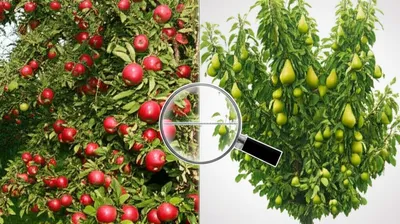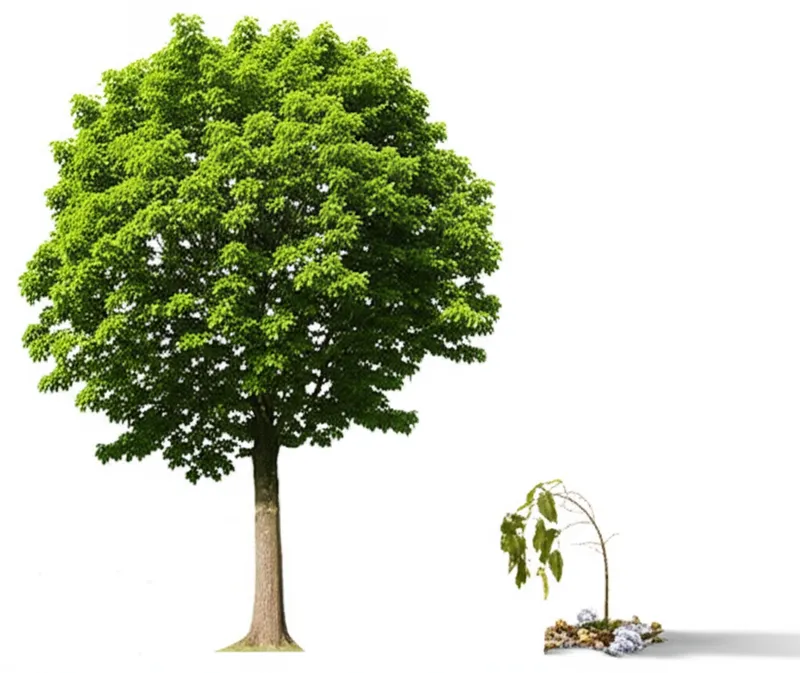

verb🔗Share軽蔑する, 見下すTo match unequally; to degrade or dishonor."Example Sentence: "The manager was disparaging the employee's efforts, constantly comparing them negatively to others' work and making them feel unworthy." "マネージャーは従業員の努力を軽蔑し、常に他の人の仕事と否定的に比較し、彼らに価値がないと感じさせていた。attitudecharacteractionvaluemoralChat with AIVocabulary GamePractice Reading
verb🔗Share軽蔑する, 見下すTo dishonor by a comparison with what is inferior; to lower in rank or estimation by actions or words; to speak slightingly of; to depreciate; to undervalue."The teacher disparaged the student's project, comparing it unfavorably to the work of other students. "先生は生徒のプロジェクトを他の生徒の作品と比べて、軽蔑しました。attitudecommunicationcharacterlanguagewordsocietyvaluemoralChat with AIVocabulary GamePractice Reading
verb🔗Share嘲笑する, あざ笑う, 軽蔑するTo ridicule, mock, discredit."The teacher disparaged Maria's project, mocking her ideas and making her feel embarrassed in front of the class. "先生はマリアのプロジェクトを嘲笑し、彼女のアイデアをあざ笑い、クラスの前で彼女を恥ずかしい思いにさせた。attitudecharactercommunicationlanguagemindwordChat with AIVocabulary GamePractice Reading
noun🔗Share軽蔑, 侮辱Disparagement"The teacher's disparaging comments about the student's work led to a drop in her confidence. "教師が生徒の作品について軽蔑的なコメントをしたため、彼女の自信が低下した。attitudecharactercommunicationlanguagesocietywordChat with AIVocabulary GamePractice Reading
adjective🔗Share軽蔑的な, 見下すようなInsulting, ridiculing."The candidate made disparaging remarks about his opponent, but they only made him seem small for insulting a worthy adversary."候補者は対戦相手について軽蔑的な発言をした。しかし、それは彼が価値ある敵を侮辱したために、彼を小さく見せるだけだった。attitudecharactercommunicationlanguagesocietynegativewordChat with AIVocabulary GamePractice Reading