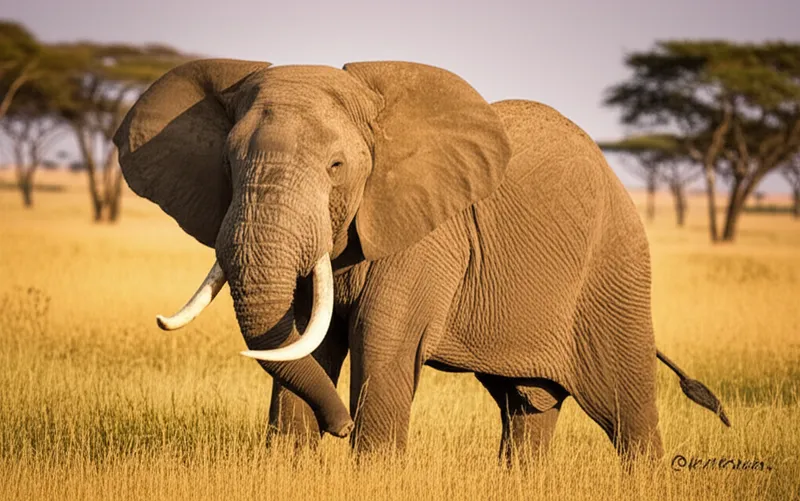
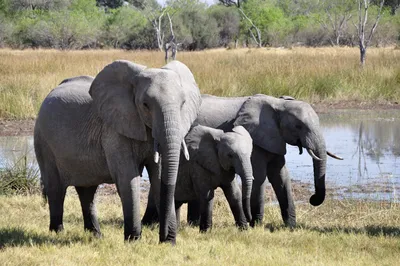
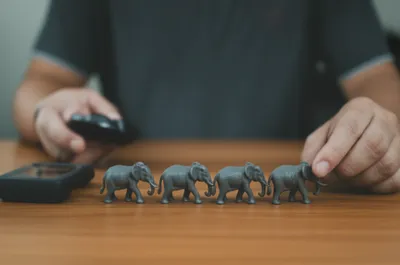
noun ダウンロード 🔗共有 象 A mammal of the order Proboscidea, having a trunk, and two large ivory tusks jutting from the upper jaw. Examples : "Original Sentence: "At the zoo, we saw elephants with their long trunks drinking water and using their tusks to dig in the dirt." " 動物園で、私たちは長い鼻で水を飲み、牙を使って土を掘っている象を見ました。 animal biology organism AIとチャット語彙ゲーム読解練習
noun ダウンロード 🔗共有 象、巨大でずっしりしたもの Anything huge and ponderous. Examples : "The moving boxes felt like elephants as I struggled to carry them up the stairs. " 階段を上ろうと苦労していると、引っ越し用の箱が象のように感じました。 animal nature AIとチャット語彙ゲーム読解練習
noun ダウンロード 🔗共有 象 Used when counting to add length, so that each count takes about one second Examples : "I count "one elephant, two elephants, three elephants" to estimate how long to brush my teeth. " 歯を磨くのにどれくらい時間がかかるか見積もるために、「ゾウ1頭、ゾウ2頭、ゾウ3頭」と数えます。 time number AIとチャット語彙ゲーム読解練習
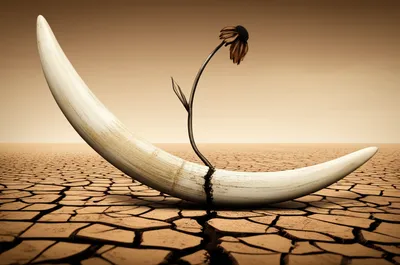
noun ダウンロード 🔗共有 象牙 Ivory. Examples : "The demand for elephants' tusks, a source of ivory, has led to dangerous poaching. " 象牙の供給源である象牙の需要は、危険な密猟につながっています。 animal material AIとチャット語彙ゲーム読解練習
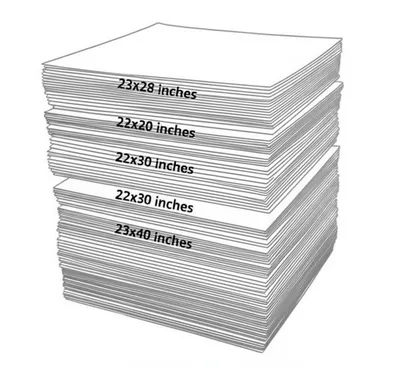
noun ダウンロード 🔗共有 象紙 A large size of paper, measuring 23 by 28 inches, or sometimes 22 by 30, or (double elephant paper) 26 by 40 inches. Examples : "The architect used elephants to create large blueprints for the new skyscraper because they were the only size sheets big enough to fit the entire floor plan. " 建築家は、新しい超高層ビルの大きな青写真を作成するために象紙を使用しました。それは、フロアプラン全体を収めるのに十分な大きさの唯一のサイズのシートだったからです。 stationery material AIとチャット語彙ゲーム読解練習