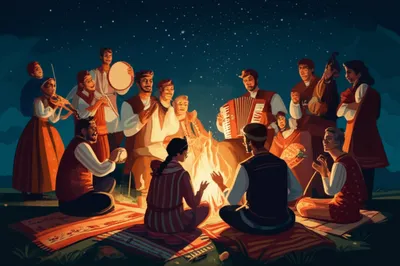
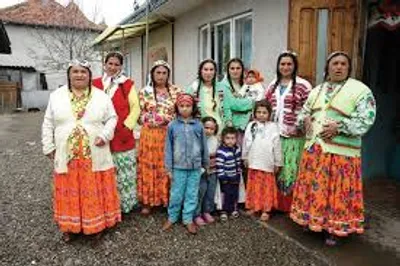
noun ダウンロード 🔗共有 ジプシー、ロマ (sometimes offensive) A member of the Romani people, or one of the sub-groups (Roma, Sinti, Romanichal, etc). Examples : "My friend, a Gypsy, shared stories of their family's travels. " 私の友人であるジプシーは、家族の旅の話を共有してくれました。 culture group race person society tradition history AIとチャット語彙ゲーム読解練習
adjective ダウンロード 🔗共有 ジプシーの (sometimes offensive) Of or belonging to the Romani people or one of it sub-groups (Roma, Sinti, Romanichel, etc). Examples : "My friend's family has a long history of gypsy traditions. " 私の友人の家族には、ジプシーの伝統の長い歴史があります。 culture race person group history AIとチャット語彙ゲーム読解練習
noun ダウンロード 🔗共有 ジプシー、放浪者 An itinerant person or any person, not necessarily Romani; a tinker, a traveller or a carny. Examples : "The local gypsy sold her wares at the school fair. " 地元のジプシーが学校のフェアで商品を売った。 person culture society history AIとチャット語彙ゲーム読解練習
noun ダウンロード 🔗共有 ジプシー (時々侮辱的) (sometimes offensive) A move in contra dancing in which two dancers walk in a circle around each other while maintaining eye contact (but not touching as in a swing). (Compare whole gyp, half gyp, and gypsy meltdown, in which this step precedes a swing.) Examples : "During the contra dance lesson, the instructor explained the "gypsy" and emphasized the importance of holding eye contact with your partner as you circle around each other. " コントラダンスのレッスン中、インストラクターは「ジプシー」について説明し、お互いの周りを回りながらパートナーとアイコンタクトを保つことの重要性を強調しました。 dance entertainment AIとチャット語彙ゲーム読解練習
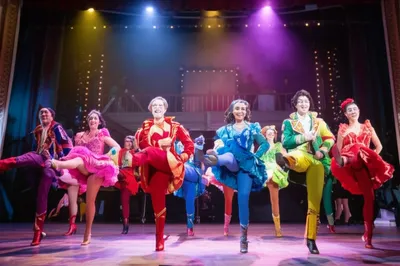
noun ダウンロード 🔗共有 ブロードウェイミュージカルのコーラスラインのメンバー A member of a Broadway musical chorus line. Examples : "After years of hard work, she finally landed a role as a gypsy in the new Broadway show. " 長年の努力の末、彼女はついに新しいブロードウェイショーでブロードウェイミュージカルのコーラスラインのメンバーとしての役を得た。 entertainment music stage job person AIとチャット語彙ゲーム読解練習
noun ダウンロード 🔗共有 肌の黒い人 A person with a dark complexion. Examples : "The new student, a young gypsy, sat in the back row, quietly observing the class. " 新しい生徒である肌の黒い若い人が、静かに授業を観察しながら後列に座っていました。 appearance person race AIとチャット語彙ゲーム読解練習
noun ダウンロード 🔗共有 ずる賢い女、悪賢い女 A sly, roguish woman. Examples : "The gossip-loving gypsy at school spread rumors about the new student. " 学校の噂好きのずる賢い女は、新しい生徒について噂を広めた。 character person style AIとチャット語彙ゲーム読解練習
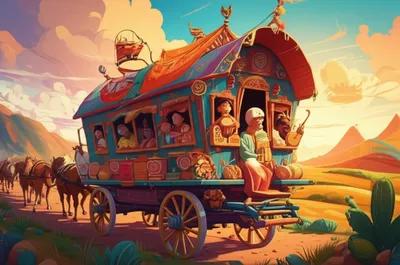
verb ダウンロード 🔗共有 放浪する, さまよう To roam around the country like a gypsy. Examples : "The family decided to gypsy around the country, visiting different national parks on their summer vacation. " 家族は、夏の休暇にさまざまな国立公園を訪れながら、国内を放浪することにしました。 culture way AIとチャット語彙ゲーム読解練習
verb ダウンロード 🔗共有 コントラダンスでジプシー・ステップを行う To perform the gypsy step in contra dancing. Examples : "At the contra dance, Sarah expertly gypped to the lively music. " コントラダンスで、サラは活気のある音楽に合わせて巧みにジプシー・ステップを行いました。 dance action AIとチャット語彙ゲーム読解練習
adjective ダウンロード 🔗共有 ジプシーの、流浪の、詐欺的な Of or having the qualities of an itinerant person or group with qualities traditionally ascribed to Romani people; making a living from dishonest practices or theft etc. Examples : "Because the street performer had a gypsy lifestyle, moving from town to town and relying on coin donations, it was difficult to predict where he'd be performing next. " 大道芸人はジプシーのようなライフスタイルで、町から町へと移動し、コインの寄付に頼っていたため、次にどこで公演するのか予測するのは困難でした。 culture character person tradition society AIとチャット語彙ゲーム読解練習