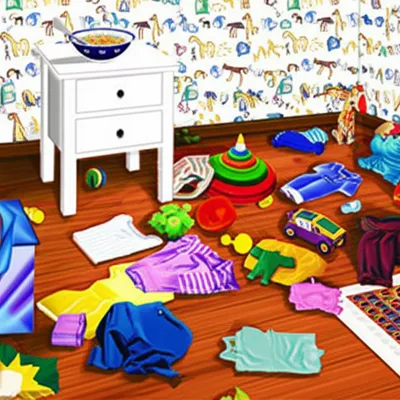
verb ダウンロード 🔗共有 汚す, 台無しにする (transitive, often used with "up") To make untidy or dirty. Examples : "The kids messed up the kitchen while making cookies. " 子供たちはクッキーを作りながらキッチンを汚した。 appearance condition action AIとチャット語彙ゲーム読解練習
verb ダウンロード 🔗共有 台無しにする, めちゃくちゃにする (transitive, often used with "up") To throw into disorder or to ruin. Examples : "He messed up the recipe by adding too much salt. " 彼は塩を入れすぎてレシピを台無しにした。 action condition AIとチャット語彙ゲーム読解練習
verb ダウンロード 🔗共有 邪魔する, 干渉する To interfere. Examples : ""My little brother messed with my homework, and now it's all crumpled." " 弟が私の宿題を邪魔して、全部くちゃくちゃになっちゃった。 action AIとチャット語彙ゲーム読解練習
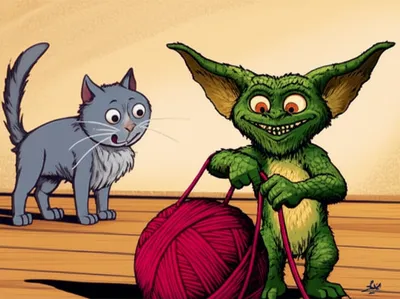
verb ダウンロード 🔗共有 いじる, 邪魔する (used with "with") To screw around with, to bother, to be annoying to. Examples : "Stop messing with me!" 私を邪魔するのはやめて! attitude character human action word AIとチャット語彙ゲーム読解練習
verb ダウンロード 🔗共有 集団で食事をする To take meals with a mess. Examples : "The children messed up the kitchen table while eating their lunch. " 子供たちは昼食を食べながら、台所のテーブルで集団で食事をしました。 food military AIとチャット語彙ゲーム読解練習
verb ダウンロード 🔗共有 台無しにする, 混乱させる To belong to a mess. Examples : "Because he lived at the monastery and ate meals with the other monks, he messed in the refectory. " 彼は修道院に住み、他の修道士たちと食事をしていたため、食堂を台無しにした。 condition appearance AIとチャット語彙ゲーム読解練習
verb ダウンロード 🔗共有 一緒に食べる To eat (with others). Examples : "I mess with the wardroom officers." 私は士官室の士官たちと一緒に食べます。 food group AIとチャット語彙ゲーム読解練習
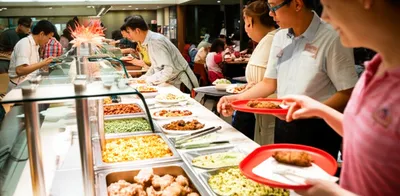
verb ダウンロード 🔗共有 食事を出す To supply with a mess. Examples : "The cafeteria worker messed the hungry students with plates of pasta and meatballs. " カフェテリアの従業員は、お腹を空かせた生徒たちにパスタとミートボールの皿で食事を出した。 action process AIとチャット語彙ゲーム読解練習