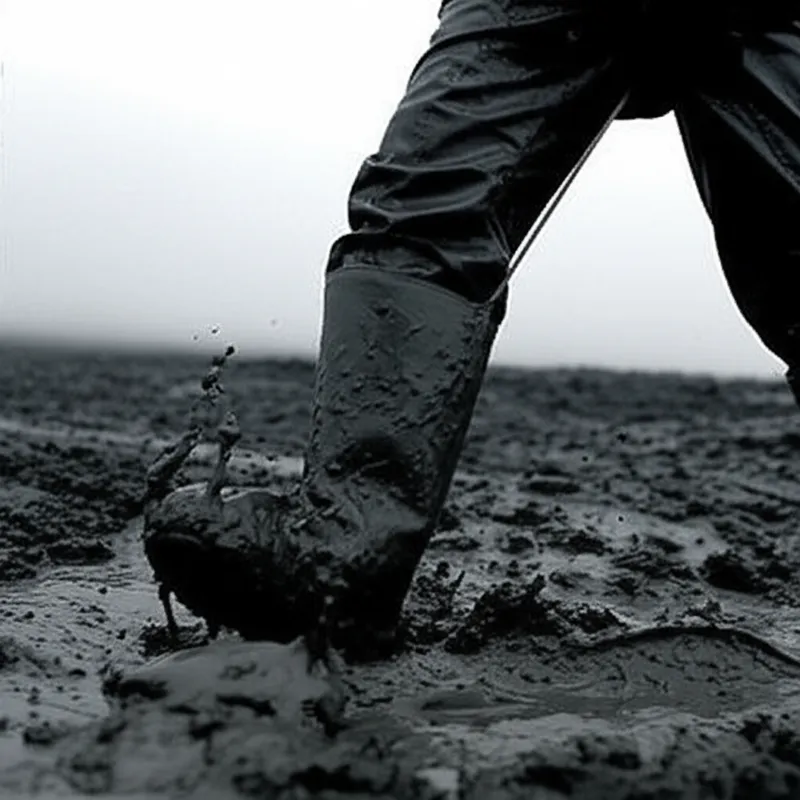

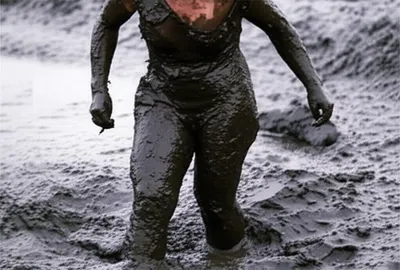
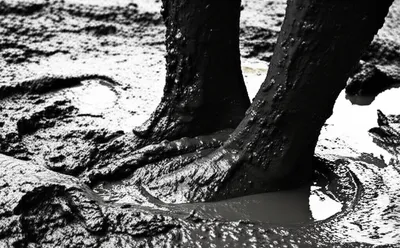
noun🔗Share泥, ぬかるみDeep mud; moist, spongy earth."After the heavy rain, the construction site turned into a series of sticky mires, making it difficult to walk. "大雨の後、建設現場は粘着性の泥の連続となり、歩きにくくなりました。environmentgeologynatureplaceChat with AIVocabulary GamePractice Reading
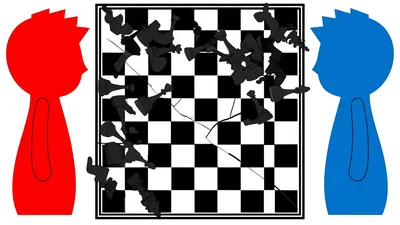
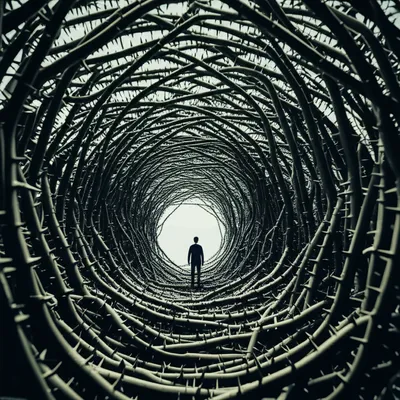
noun🔗Share窮地, 苦境An undesirable situation, a predicament."The company's constant disagreements and lack of progress created mires that were difficult to escape. "会社の絶え間ない意見の対立と進歩の欠如は、脱出困難な窮地を生み出した。situationconditionChat with AIVocabulary GamePractice Reading
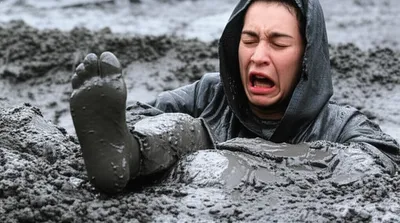
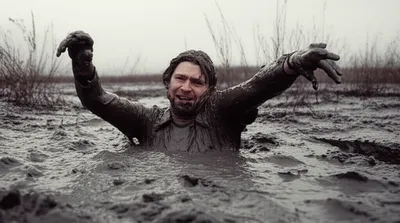
verb🔗Share泥にはまる, 泥に突っ込むTo cause or permit to become stuck in mud; to plunge or fix in mud."to mire a horse or wagon"馬やワゴンを泥にはめる。environmentnatureChat with AIVocabulary GamePractice Reading
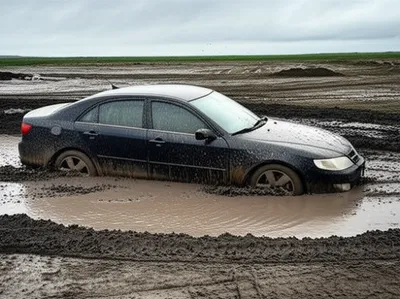
verb🔗Share泥に沈むTo sink into mud."The farmer's truck slowly mires in the muddy field after the heavy rain. "大雨の後、農家のトラックは泥だらけの畑にゆっくりと沈んでいく。environmentnaturedisasterplaceChat with AIVocabulary GamePractice Reading
verb🔗Share重くする, 圧迫するTo weigh down."The responsibility of caring for her elderly mother often mires Sarah in feelings of exhaustion. "高齢の母親の世話をする責任は、サラをしばしば疲労感で圧迫します。actionsituationChat with AIVocabulary GamePractice Reading
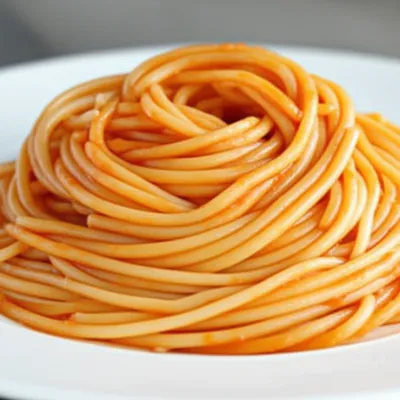
verb🔗Share泥を塗る, 汚すTo soil with mud or foul matter."The toddler mires his hands in the spilled spaghetti sauce. "幼児はこぼれたミートソースで手を汚す。environmentnatureChat with AIVocabulary GamePractice Reading
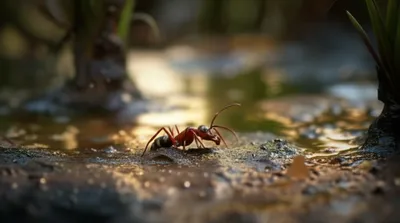
noun🔗Share蟻An ant."The child watched the line of mires carrying crumbs back to their nest. "子供は、パンくずを巣に運ぶアリの列を見ていた。insectanimalChat with AIVocabulary GamePractice Reading